We measure a machine’s life in decades, not years – almost every single ASML lithography system sold is still in use at a customer fab.
The PAS 5500:
a machine with a history
In 1991, seven years after the company was founded, we launched the PAS 5500, which turned out to be our breakthrough platform. This system was able to dramatically reduce manufacturing times for our customers, and its modular design enabled them to produce multiple generations of advanced chips using the same system.
Since 1997, our installed base extension teams have been buying back PAS 5500 machines that customers no longer need, refurbishing them for a wide range of chipmaking applications, including sensors, MEMS, photonics and more. Today, our range of refurbished systems also includes early TWINSCAN XT and NXT DUV systems.
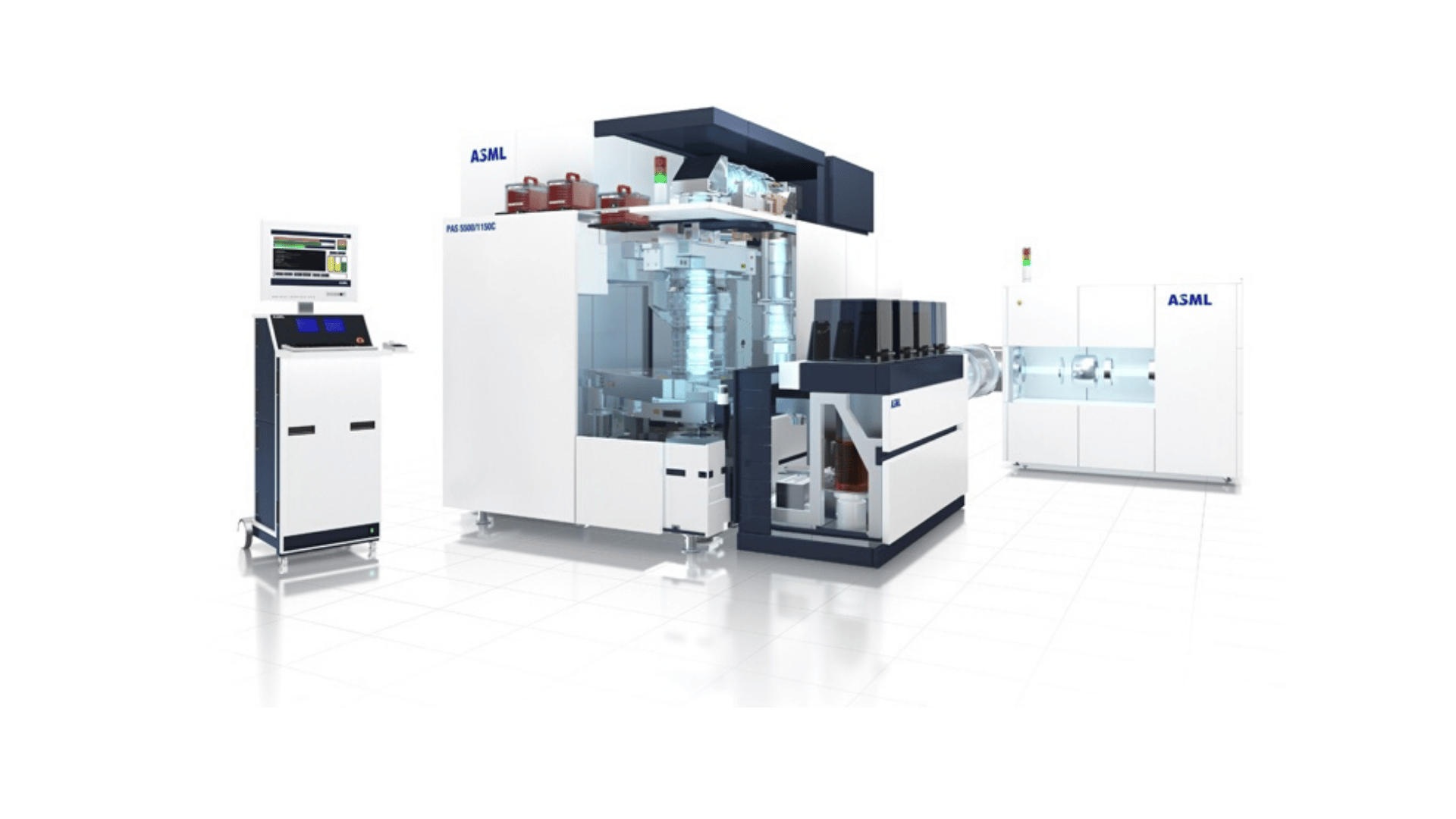
Download the product descriptions and specs
PAS 5500/1150C
ArF step-and-scan
Download the spec sheet
PAS 5500/8TFH-A
KrF step-and-scan
Download the spec sheet
PAS 5500/850C
KrF step-and-scan
Download the spec sheet
PAS 5500/750F
KrF step-and-scan
Download the spec sheet
PAS 5500/450F
i-line step-and-scan
Download the spec sheet
PAS 5500/350C
KrF stepper
Download the spec sheet
PAS 5500/275D
i-line stepper
Download the spec sheet
PAS 5500/100D
i-line stepper
Download the spec sheet
How system refurbishment works
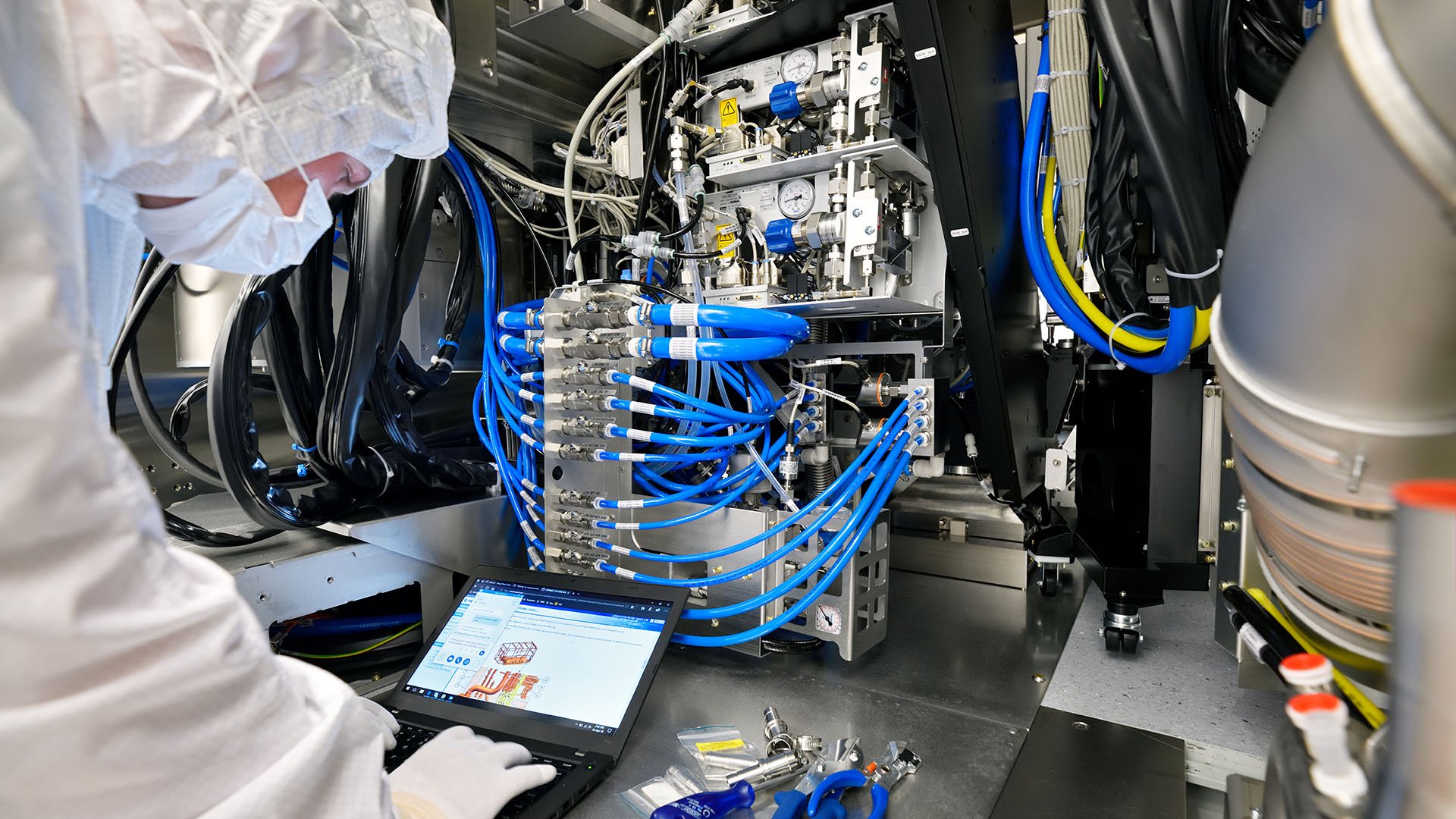
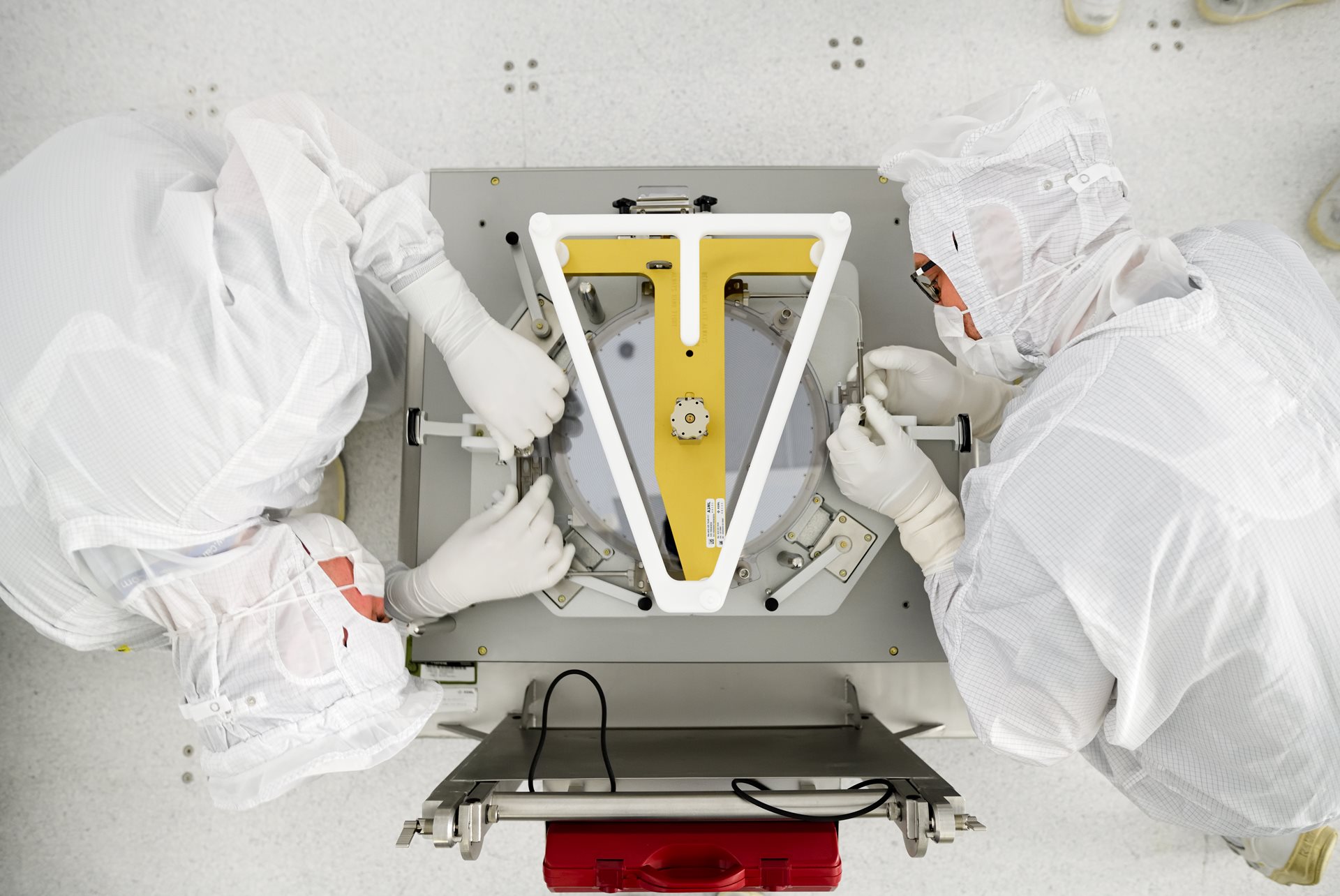
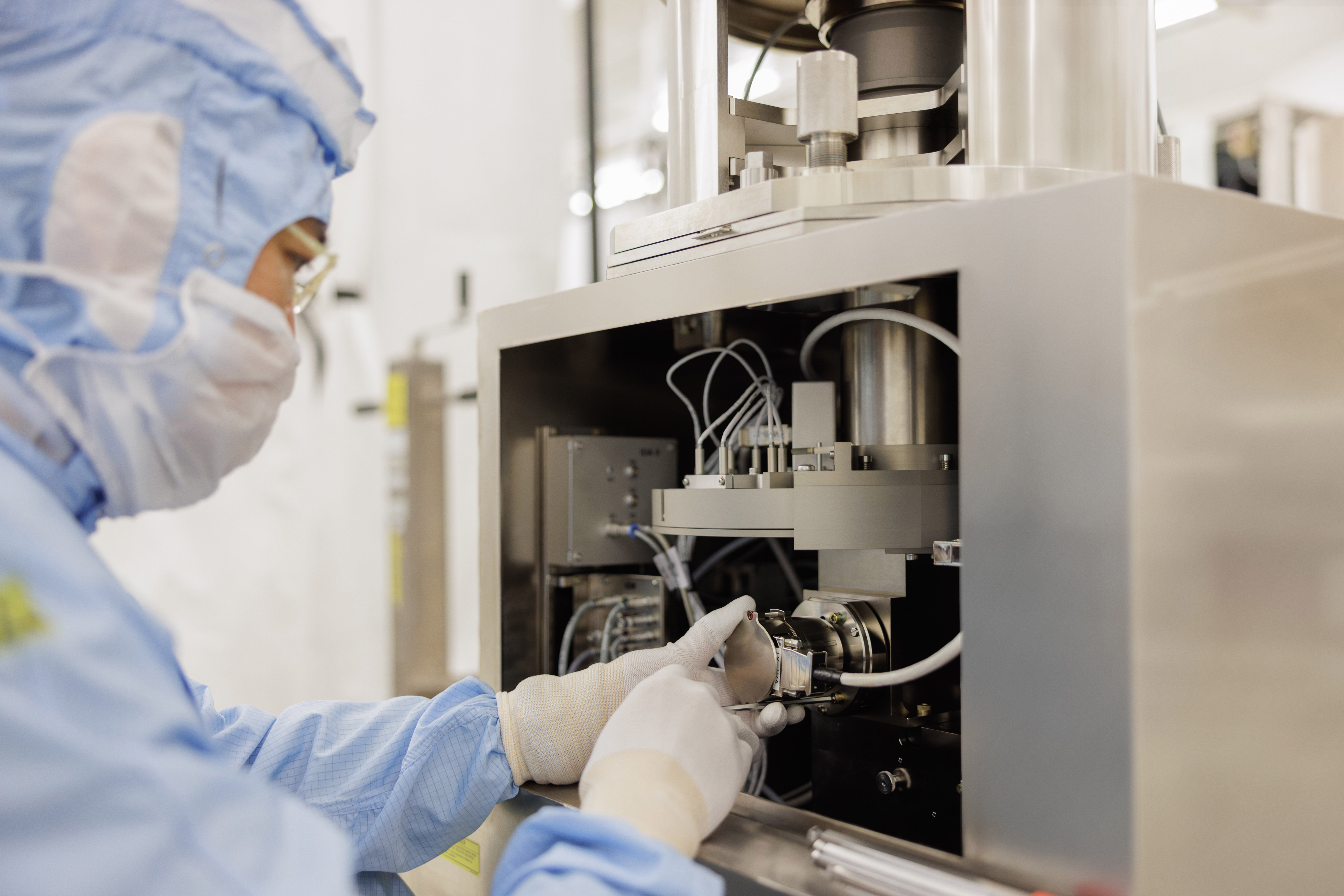
In our PAS refurbishment factories in Taiwan and the Netherlands, systems are fully disassembled into individual modules, cleaned, inspected, repaired and reassembled into like-new machines that meet original specifications, backed by a new warranty.
TWINSCAN XT and NXT refurbishments follow a standardized, configuration-driven approach, using predefined instructions, validated parts and structured build-and-test steps to restore systems to an agreed performance baseline – delivering results that meet the same acceptance criteria as comparable system configurations.
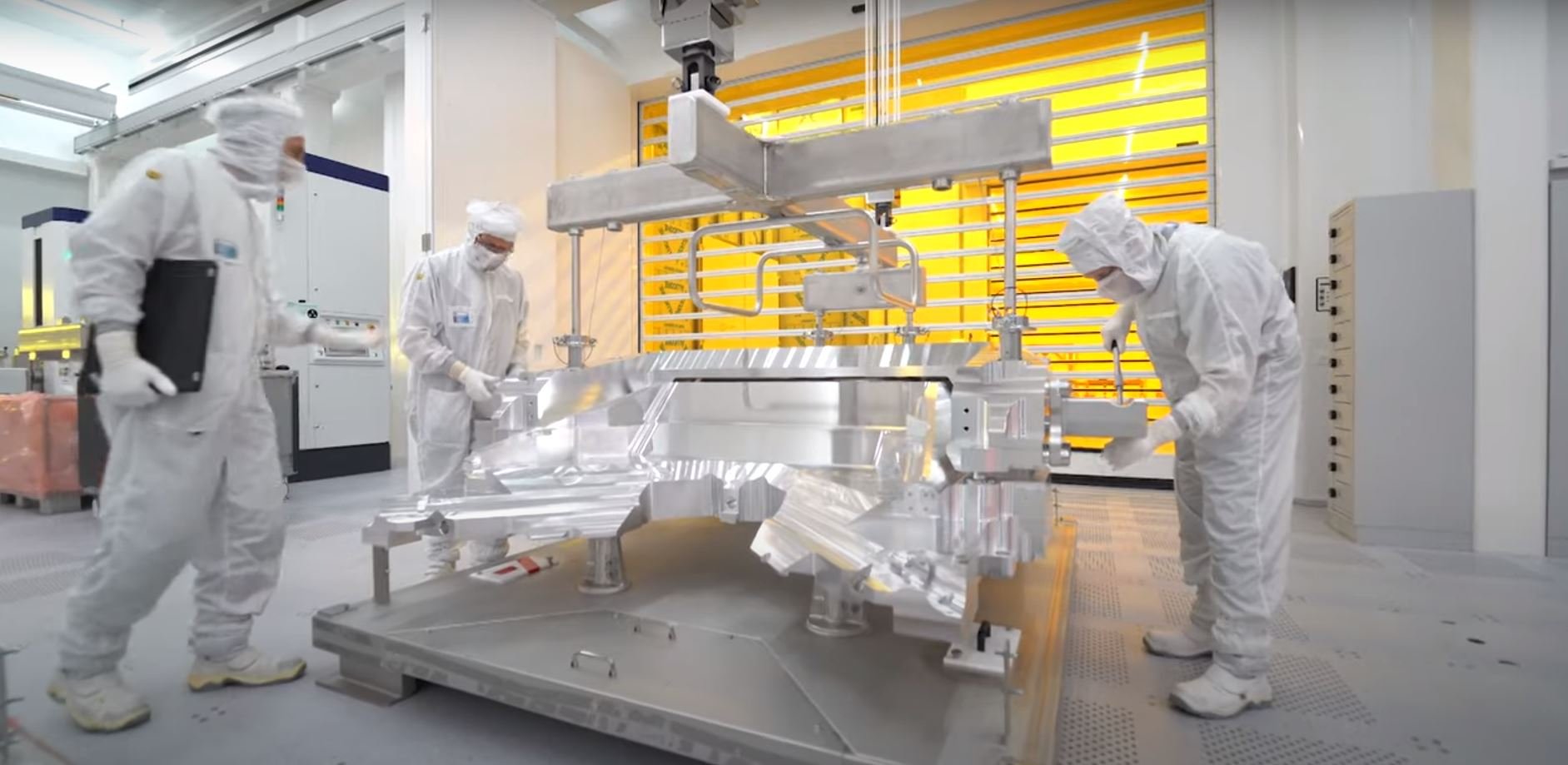
“Tune my ride”
PAS 5500 systems are built on a versatile, multifunctional platform, which makes them adaptable for a wide range of emerging markets and specialized applications.
For example, the platform supports front-to-backside alignment – an essential capability for aligning layers on opposite sides of a wafer in advanced 3D structures such as MEMS chips. It also offers the flexibility to process a wide variety of materials and enables the integration of multi-layer compound devices, which are critical for modern power electronics.
PAS systems can also be optimized for small wafer sizes (3-inch, 4-inch, and 6-inch), which are commonly used in applications such as silicon photonics – including distributed feedback (DFB) lasers for AI data centers. Other applications include radio-frequency devices with non-silicon substrates and thin-film heads for hard disk drives.
Both throughput and overlay performance can be tuned to meet specific production requirements, enabling cost optimization in high-volume manufacturing environments.
Support through 2035 and beyond
Through our PAS 5500 lifetime extension program, we support the continued use of this widely deployed platform. By maintaining and upgrading our installed base, we help customers extend system lifetime, adapt to evolving production needs and maximize long-term value.
Contact us
Starting a new fab? Entering a new market? Or just curious to find out what you can do with an ASML lithography system?
Global business development
Joe Wang
joe.yu-jen@asml.com
Europe
Syed Zaid Ali
syed.zaid.ali@asml.com
US
Mike McBurney
mike.mcburney@asml.com
Japan & South Korea
Yuji Takai
yuji.takai@asml.com
China
Jacky Bao
jacky.bao@asml.com
Asia, including Singapore, Taiwan & India
Clark Chang
clark.chang@asml.com
Surplus systems for sale – worldwide
Dustin Wu
dustin.wu@asml.com