
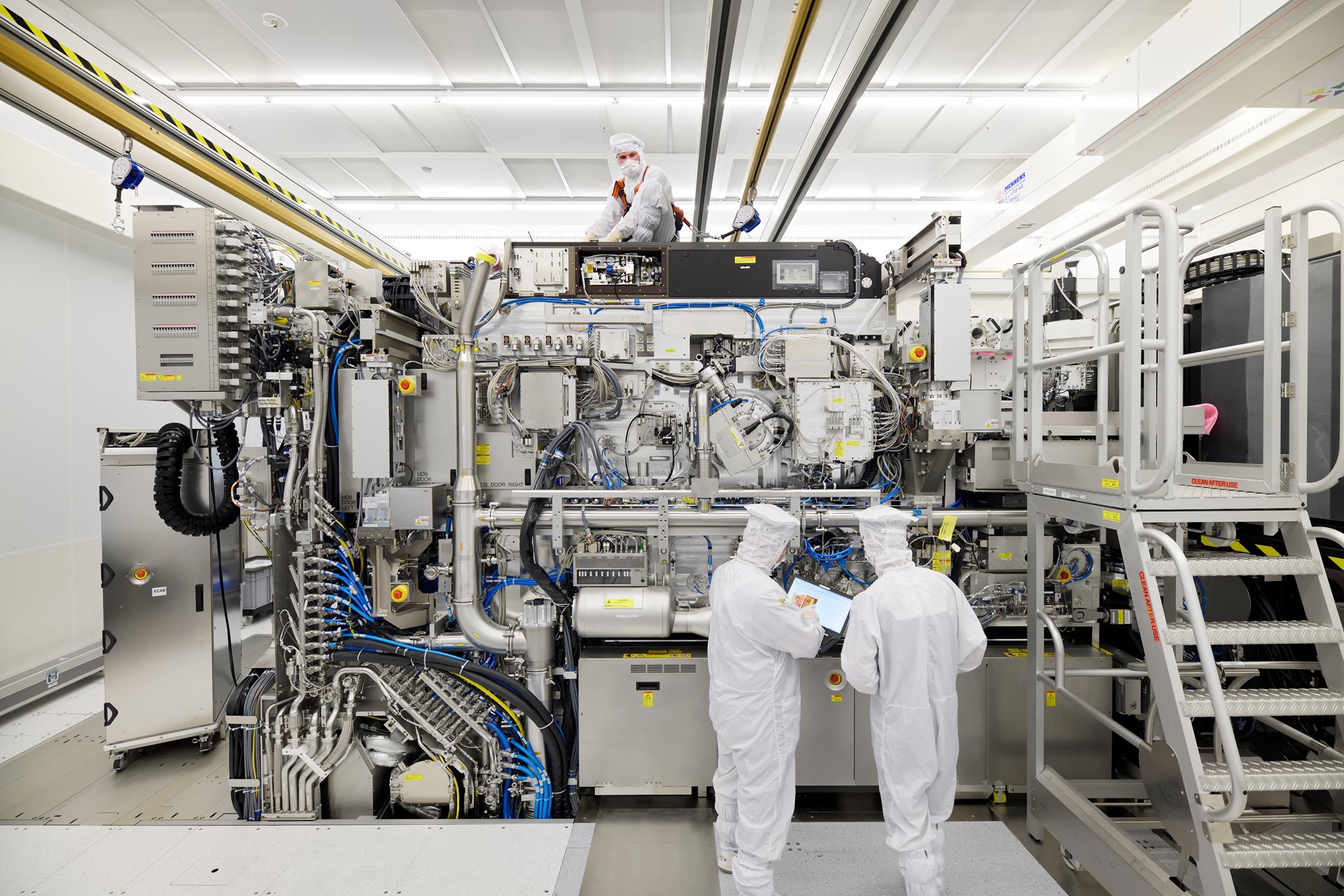
A 20-year dream becomes reality
2019 will be remembered as the year our EUV technology entered high-volume chip manufacturing at customer sites
Wafers per hour on multiple EUV NXE:3400C
2019 year-end figures
R&D investment
Invested in R&D partners
Hours of support to high-tech startups & scaleups
Our highly differentiated solutions provide unique value drivers for our customers and ASML
The breakthrough of EUV
Extreme ultraviolet (EUV) lithography has progressed into high-volume manufacturing of commercial microchips – the result of a 20-year development journey that involved both ASML and all our stakeholders.
Customers have introduced their first EUV-manufactured devices, and they are mentioning EUV in their product announcements.
First NXE:3400C shipped
Our latest EUV system, the NXE:3400C, has proved significantly more reliable and more productive than the previous system. With a 35% increase in throughput, from 125 wafers to 170 wafers per hour, we demonstrated over 2,000 wafers per day under customer DRAM Memory conditions.
EUV systems shipped in 2019
Total EUV systems in the field (NXE:3400)
High-NA EUV platform in development
With EUV firmly established on our customers’ roadmaps, we see a clear path for the continuation of Moore’s Law well beyond the current decade. To support that, we are developing a High-NA EUV platform that will enable next-generation geometric shrink to the 2-nanometer node.
About EUV
EUV lithography, a technology entirely unique to ASML, uses light with a wavelength of 13.5 nanometers. This wavelength is almost 14 times shorter than DUV, the other lithography solution used in advanced chipmaking. Shorter wavelengths mean smaller transistors, which mean more advanced microchips. Peek inside one of these systems below to find out more.
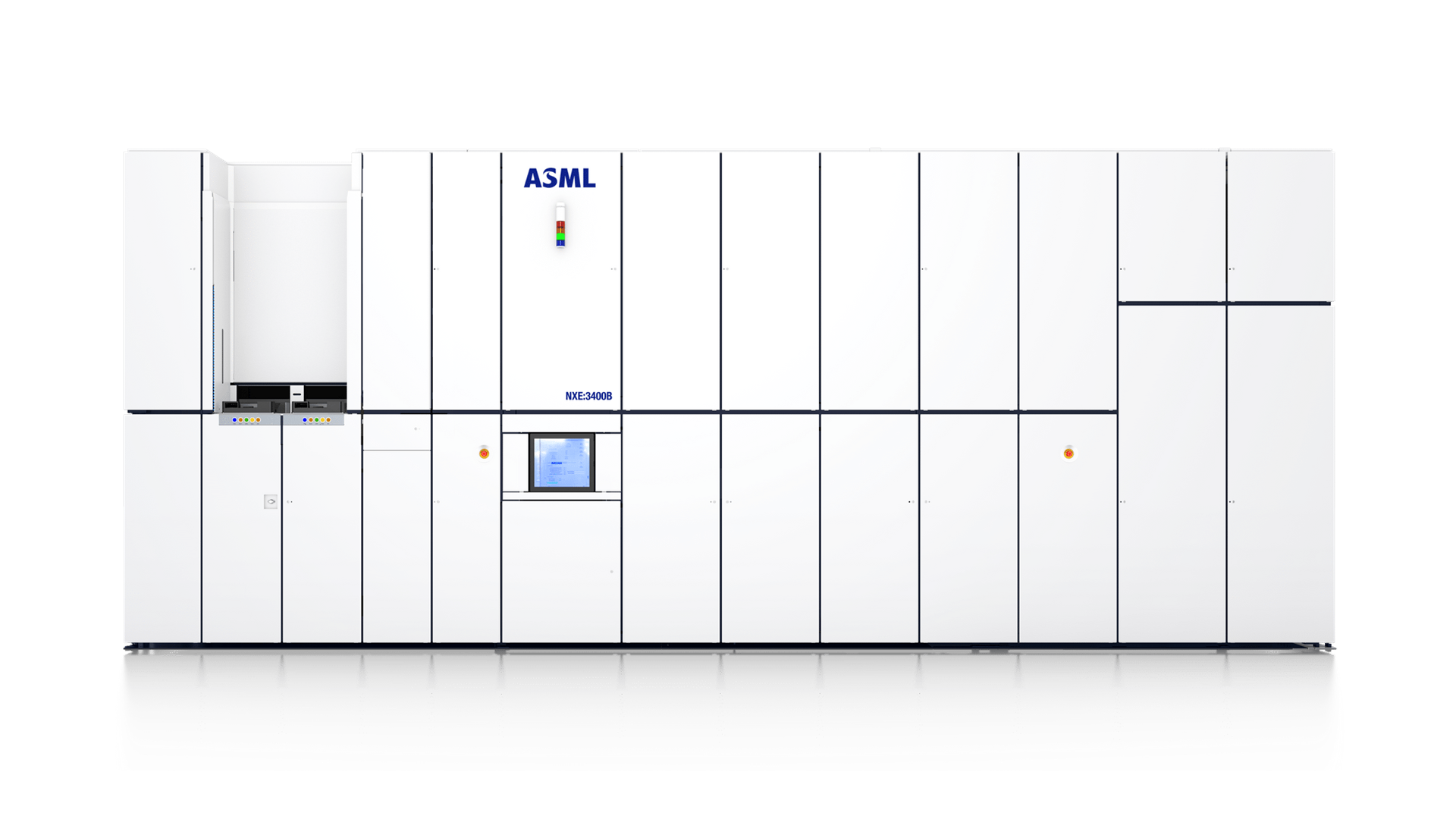
How does EUV work?
Explore inside an NXE lithography system
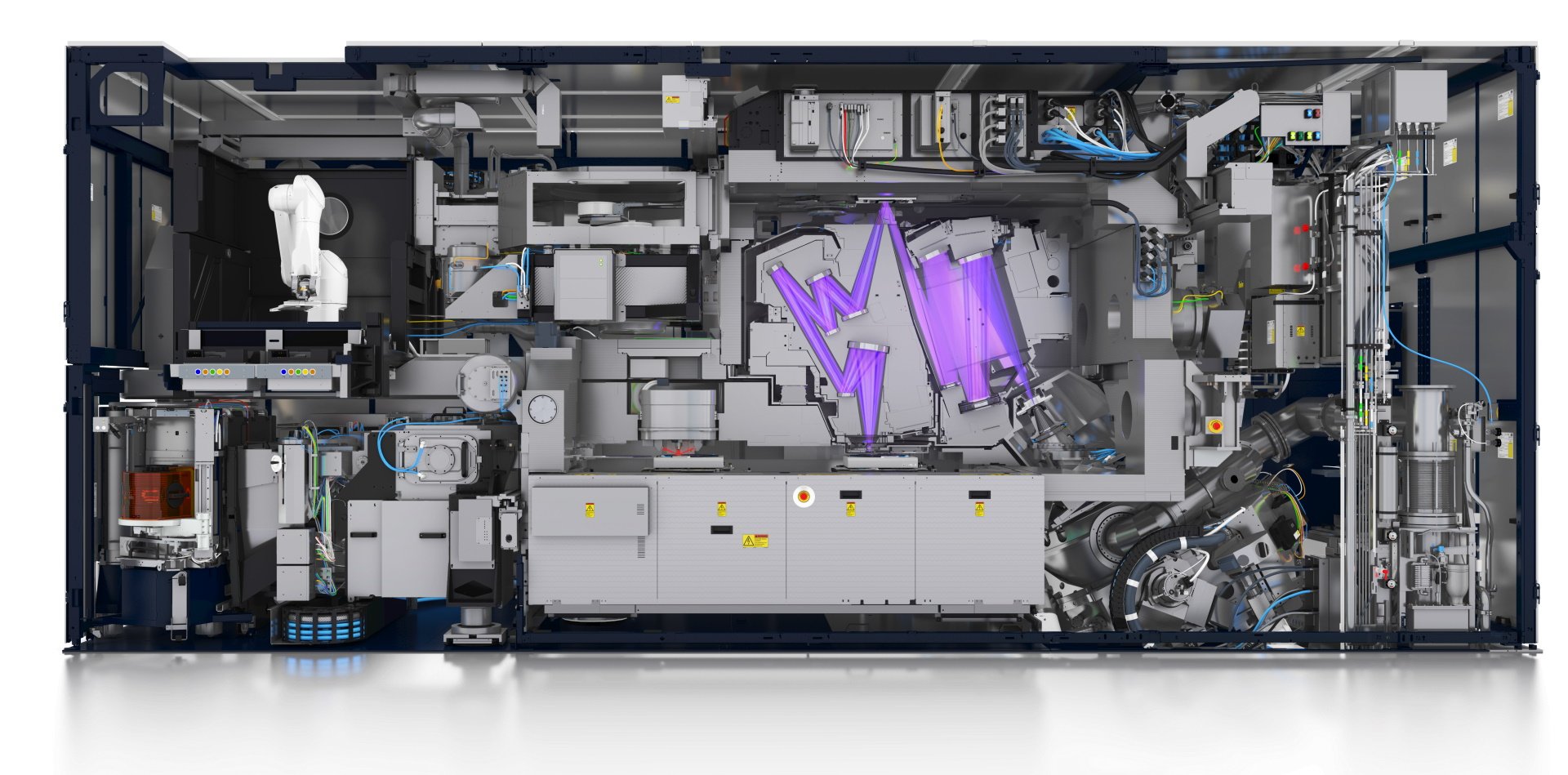
Light source
Optical column
Reticle
Vacuum chamber
Wafer handler
Wafer stage
Light source
To generate EUV light, CO2 laser fires two separate laser pulses at a fast-moving drop of tin. This vaporizes the tin and creates EUV light. It does this up to 50,000 times per second.
Read more about light in lithography.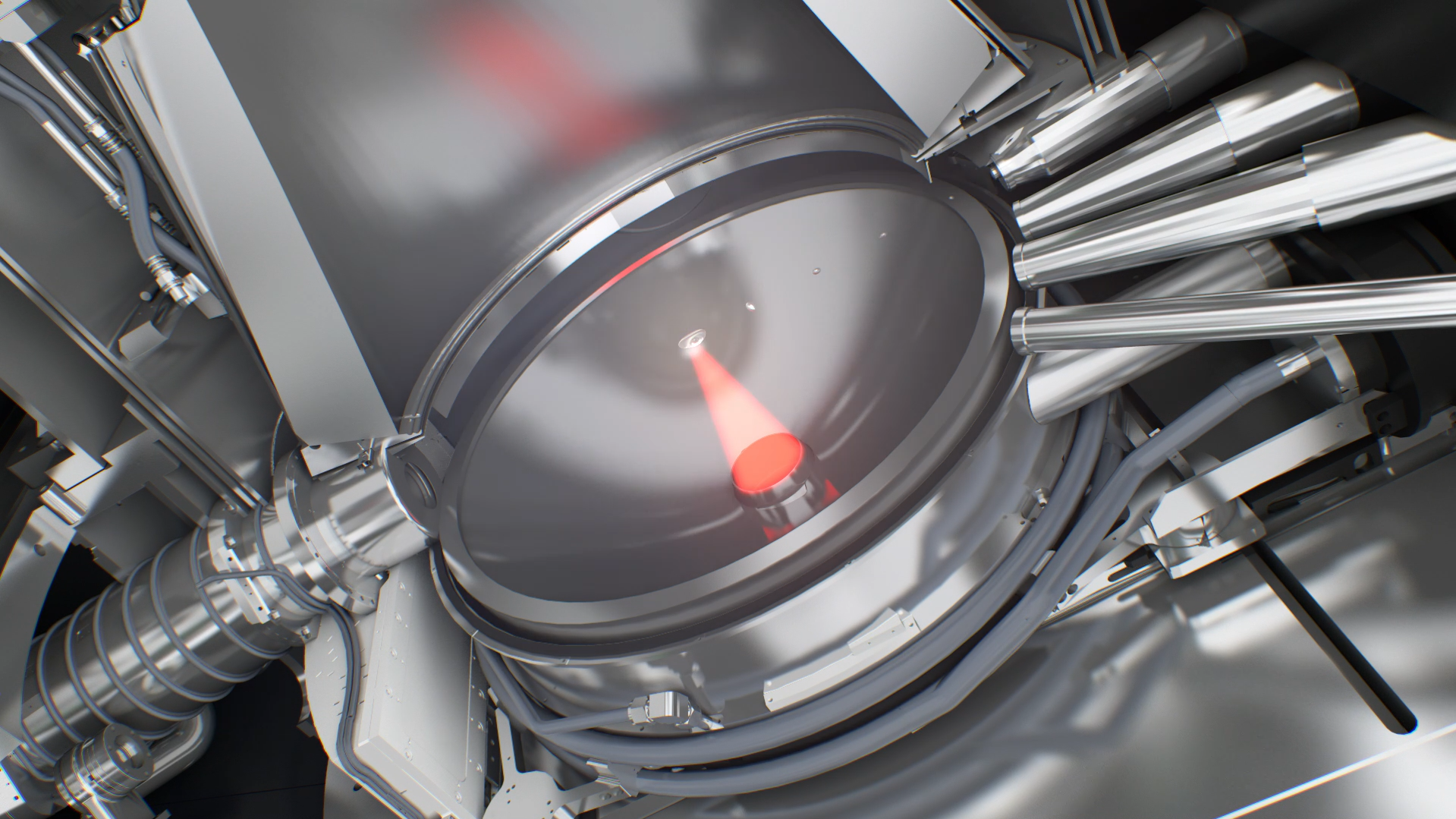
Optical column
EUV systems use several multilayer mirrors instead of lenses to guide the EUV light to the wafer, shrinking the reticle pattern by a factor of four.
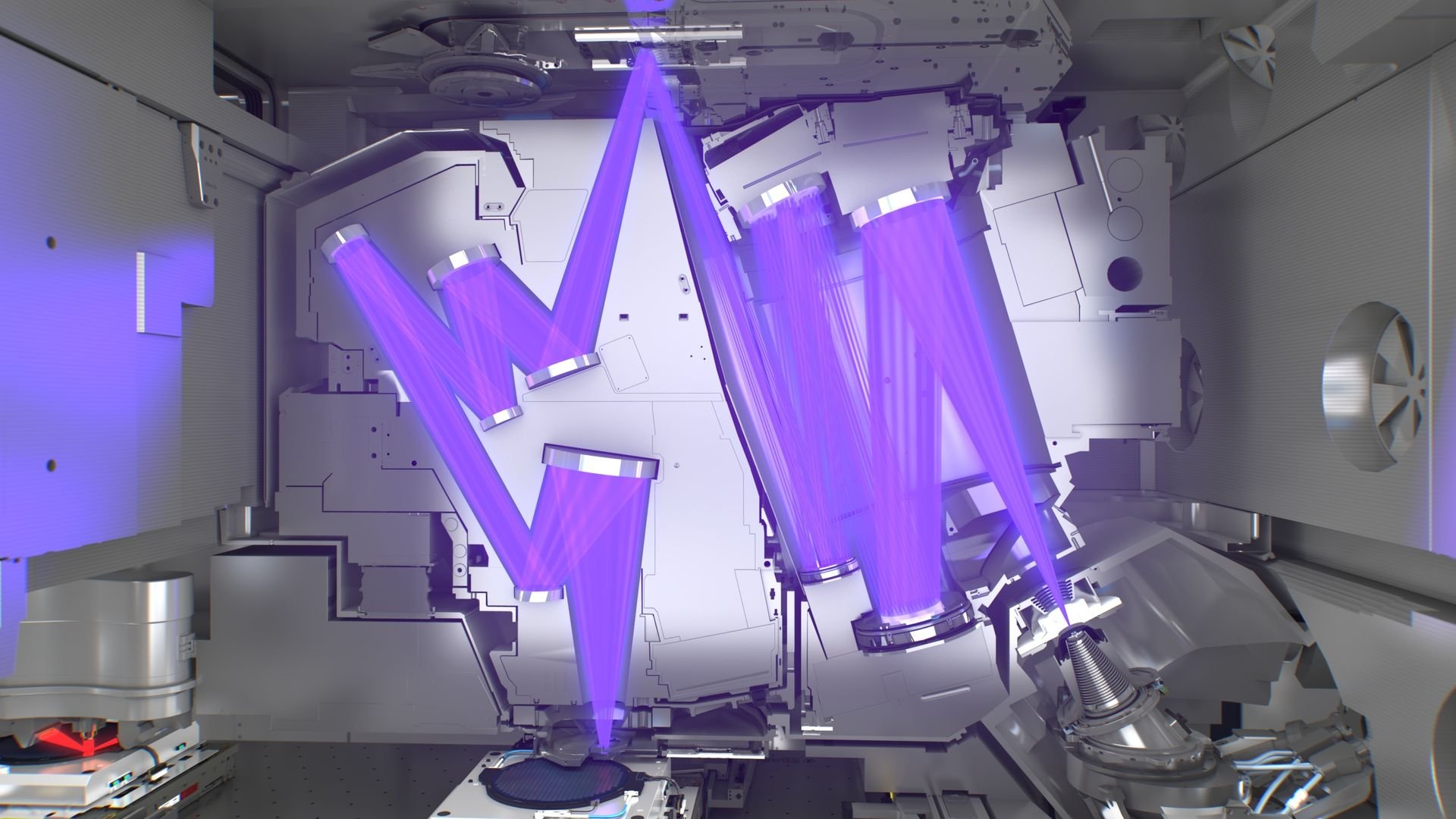
Reticle
Reticles contain the chip pattern to be printed on the wafer. In EUV, reticles are multilayer reflectors that use interference to reflect light from the pattern.
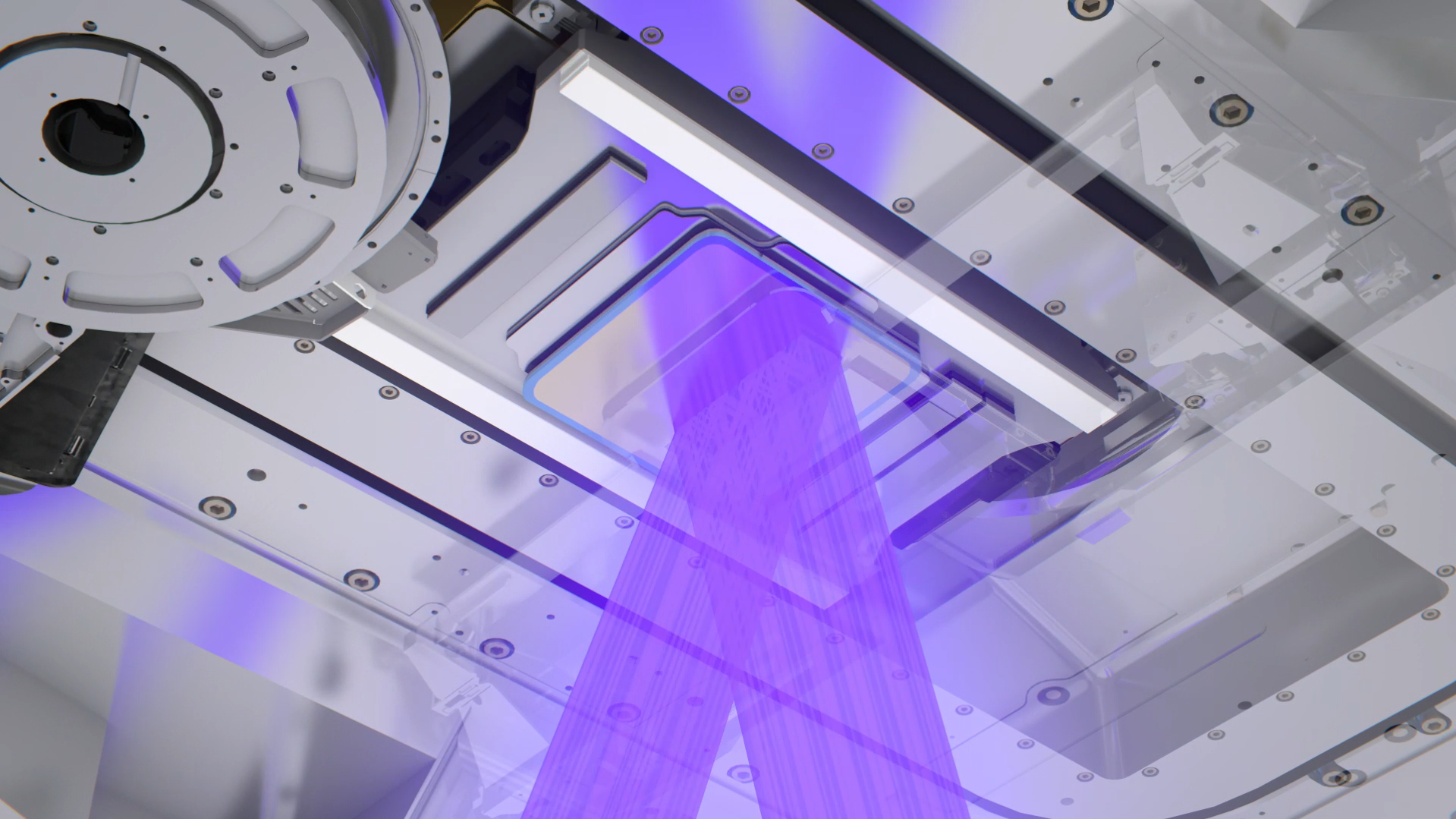
Vacuum chamber
EUV light is absorbed by everything, even air. So the whole light path and everything the light interacts with – from source to wafer – must be in high vacuum.
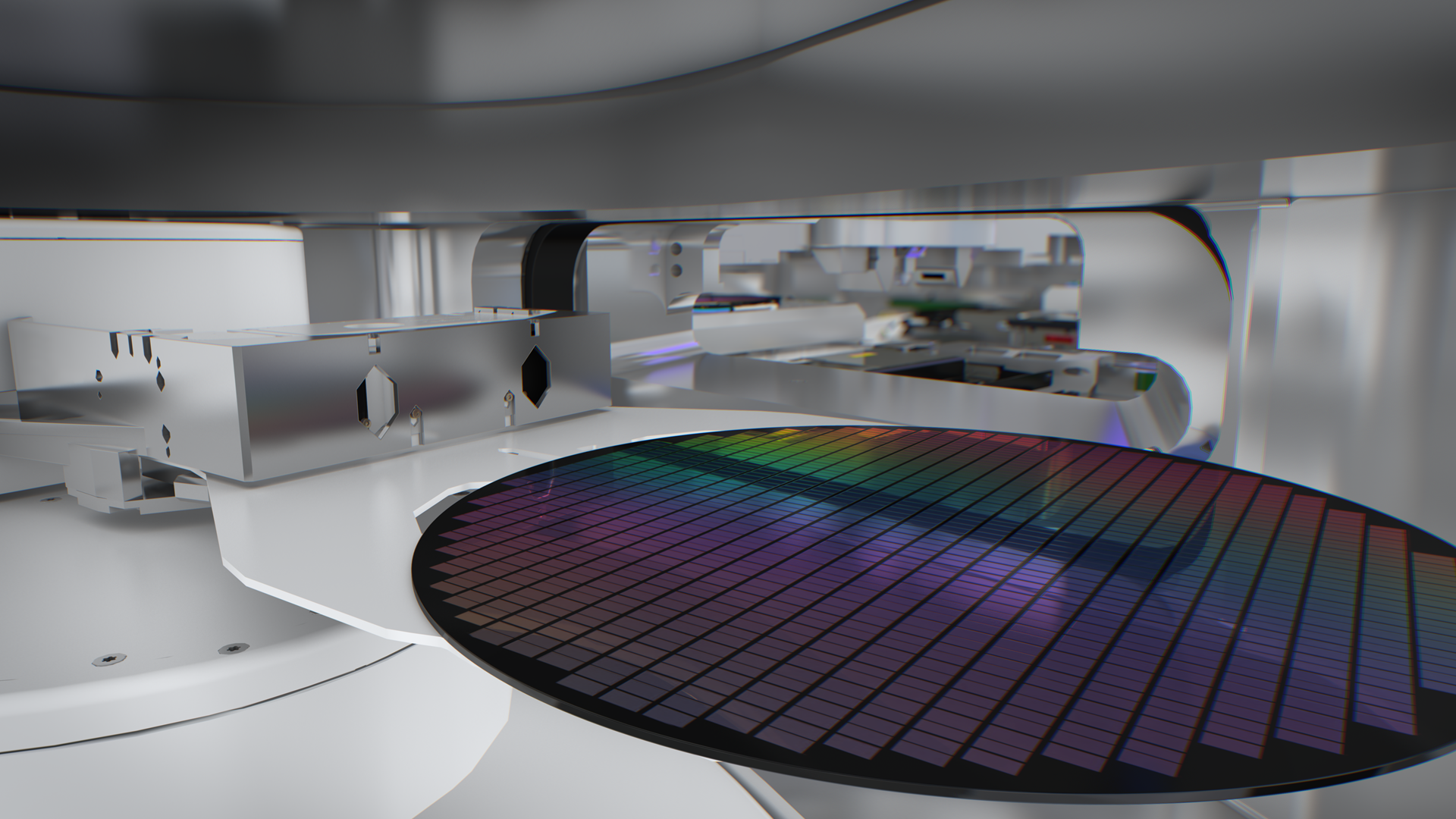
Wafer handler
Precision robot arms transfer wafers in and out of the system’s vacuum environment through an air lock, operating within a positioning accuracy of 25 µm and a uniform surface temperature within 2 mK.
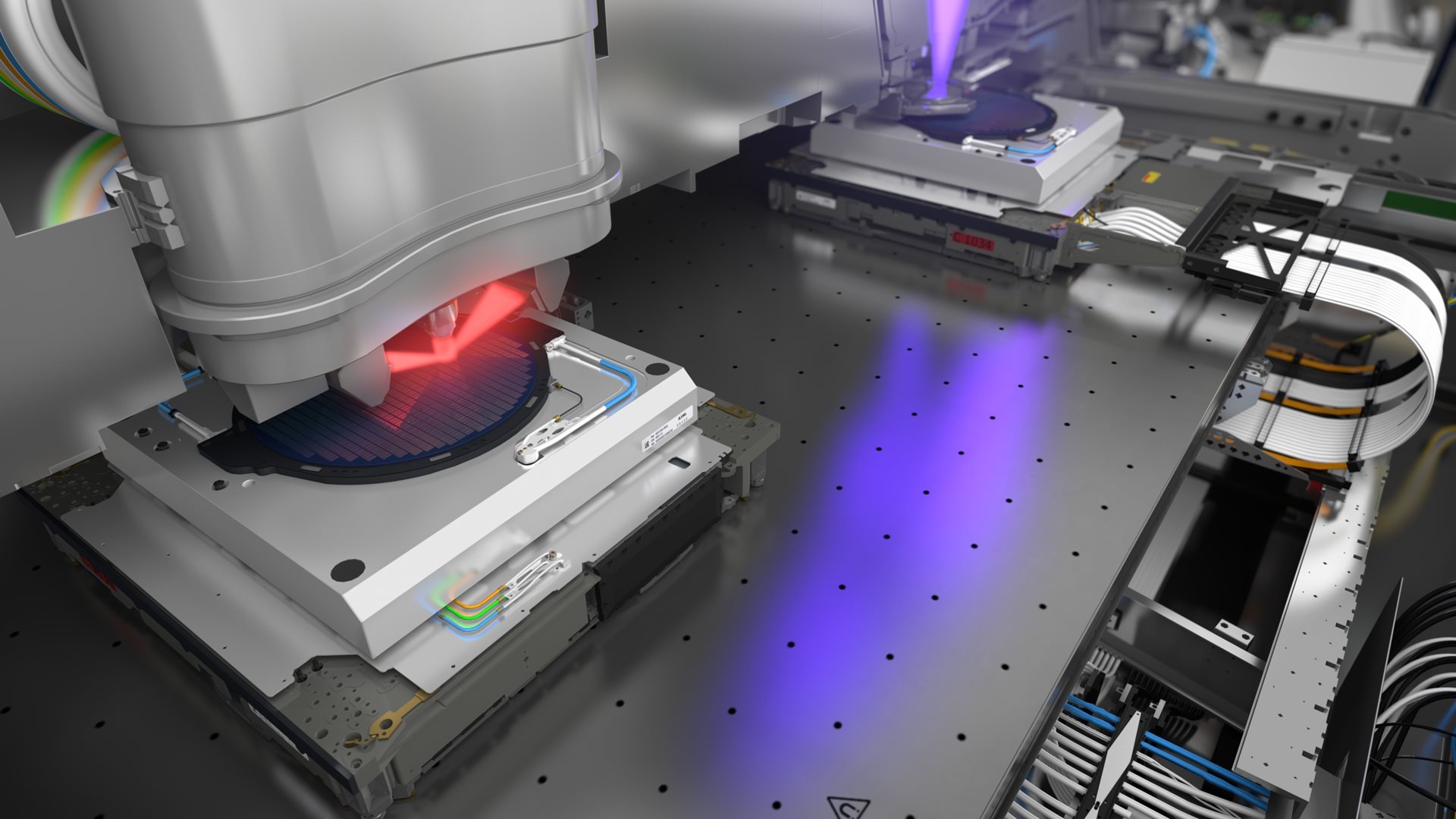
Wafer stage
The wafer stage positions the wafer to within a quarter of a nanometer for each exposure, checking and adjusting 20,000 times per second.
R&D investment
Every day, more than 10,000 of the brightest minds in R&D take on the challenge of improving our lithography systems – even when we’ve just made major breakthroughs.
We invest heavily in R&D to ensure we keep innovating at the same pace as our customers. We spent €2.0 billion on R&D in 2019, a big increase over the €1.6 billion invested in 2018. Over the last five years, our R&D investments have reached €7.0 billion.
Our patent portfolio has increased more than 15% over the last five years and now includes more than 13,700 patents over multiple jurisdictions.
IP & developed technology value
Patent portfolio
Our innovation ecosystem
Collaboration is the key to success at ASML. We progress and achieve our goals through partnerships in an innovation ecosystem. We work closely with our customers to develop today what they need tomorrow.
Similarly we work closely with a network of world-leading external partners and research organizations and co-develop with some suppliers. We rely on an extensive supply base of around 790 product-related suppliers plus around 4,200 non-product-related suppliers.
Our investments extend to our partners in R&D, including some of the product-related suppliers, such as Carl Zeiss SMT, who innovate alongside us and develop system parts or modules. In 2019, our total investment in R&D partners was €500 million.
Nurturing young tech companies
We utilize the expertise within ASML to foster entrepreneurship in the high-tech Brainport region of the Netherlands. In 2019, we provided approximately 1,300 hours of support to high-tech startups and scaleups. The total value of our in-kind support was around €0.4 million.
Empowered to thrive
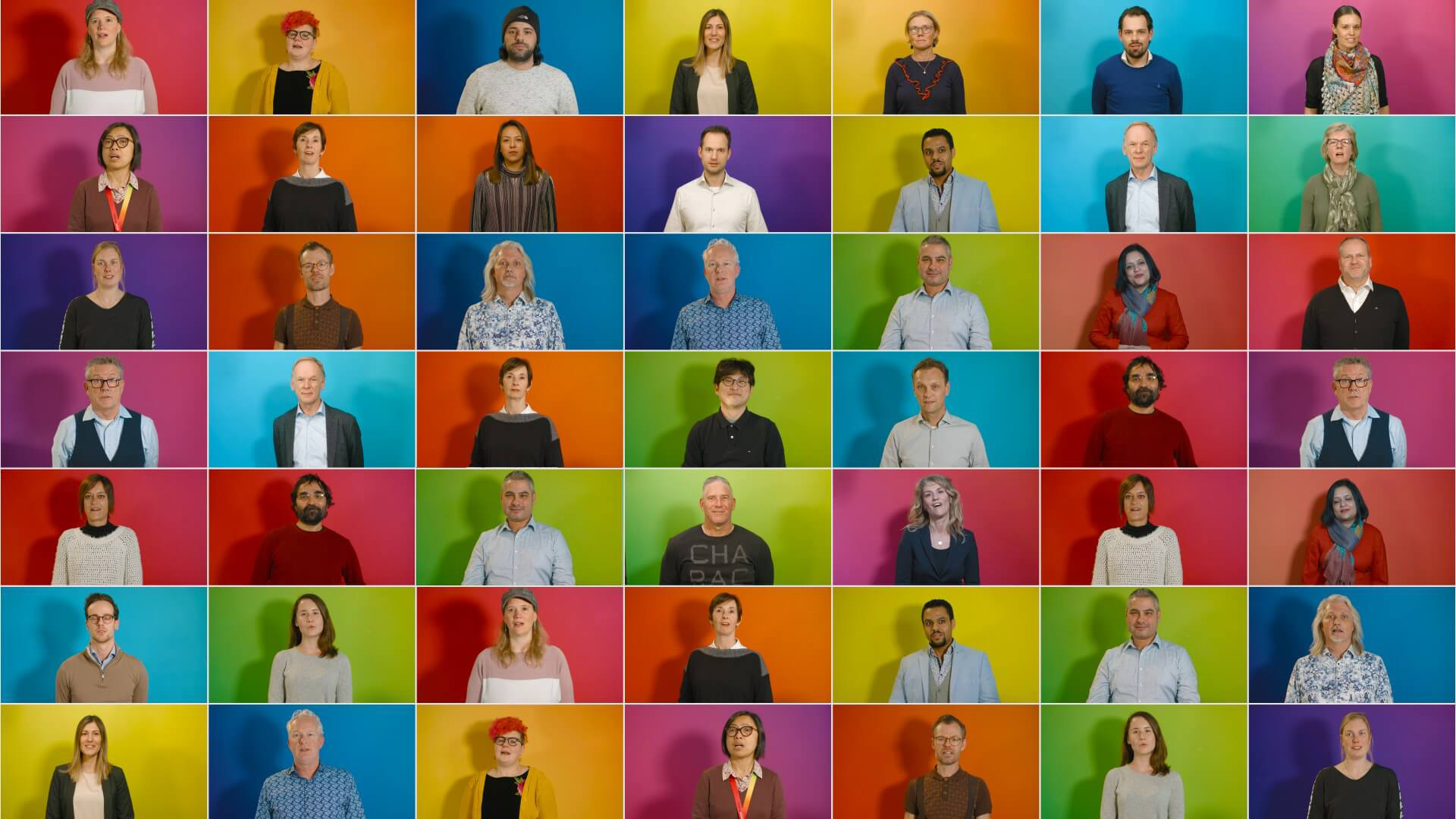
With nearly 25,000 employees on three continents, we focus on helping them all reach their full potential
Total employees (in FTE)
2019 year-end figures
Nationalities working at ASML
Jobs created
Attrition rate
Our employees are crucial to our success and help us push the limits of technology
ASML continues to grow
Our workforce has grown steeply in recent years. We welcomed 2,219 new employees in 2019, bringing our total workforce to 24,900 at year end.
Our workforce
(in FTE)
0
In the past five years, we have created nearly 10,000 jobs in the communities where we operate. In 2019, about 40% of our workforce had been at ASML for fewer than two years.
Ensuring a highly engaged workforce
Employee engagement is critical to our long-term success. We want to enable our people to develop their talent, feel respected and operate to the best of their abilities.
Boosting engagement depends on a wide variety of factors and activities. In 2019, we put special focus on offering career development opportunities, investing in a strong talent pool as well as updating and improving our employee onboarding experience.
Culture and values
The strong growth in our total workforce, the large number of new employees, and the evolution of the company also drove us to review what we stand for as a company. We invested in shaping and strengthening a common company culture, where shared means and our values prevail. Our values – Challenge, Collaborate and Care – are at the heart of this investment.
Measuring engagement
We redesigned our employee survey and renamed it ‘we@ASML’. The new survey will be carried out annually and is better benchmarked, making it easier to compare the results with other companies.
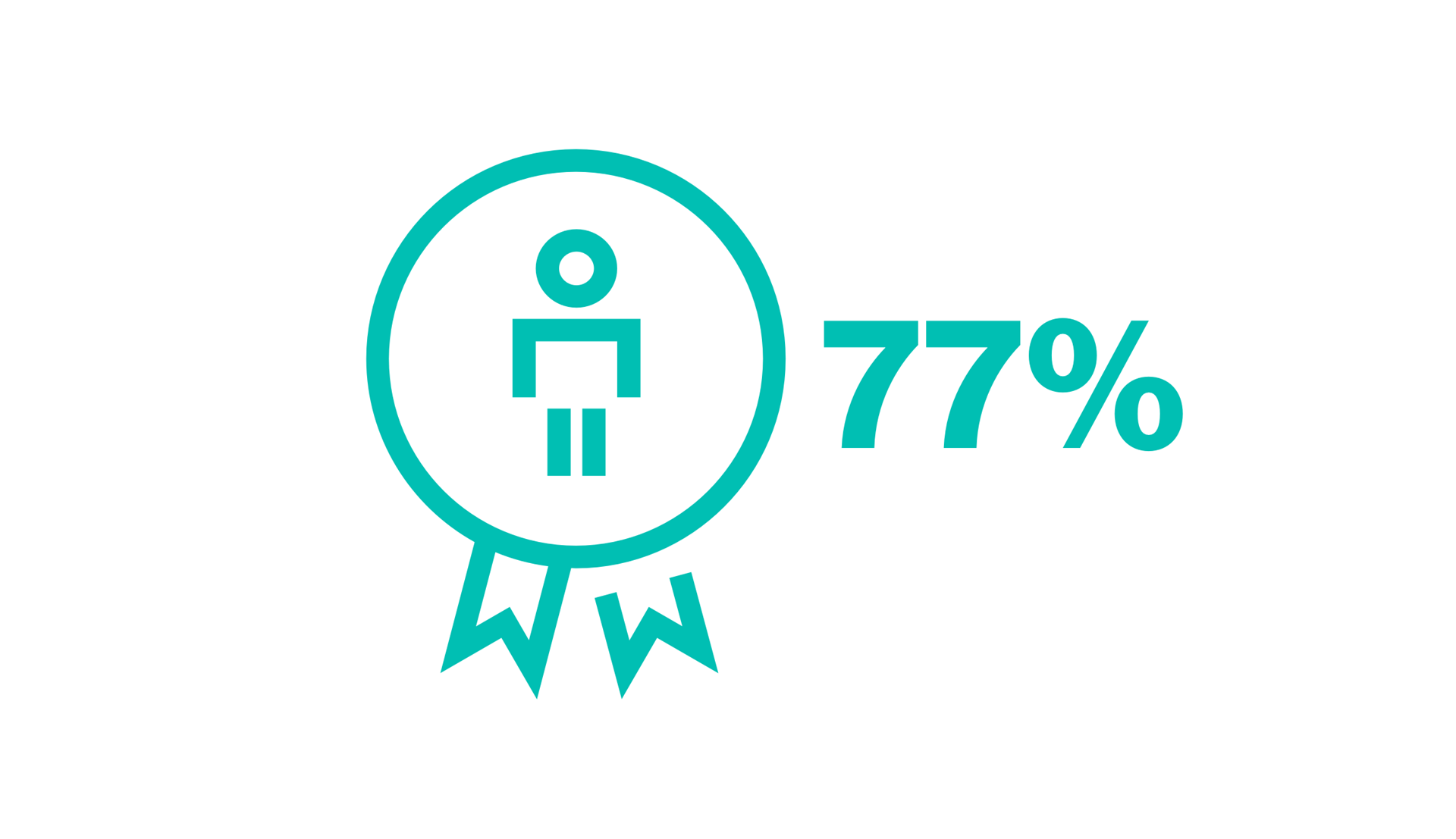
The 2019 results of the we@ASML employee survey showed that our employees are highly engaged, with
an engagement score of 77%, comparing favorably to the external benchmark of 73%.
The survey registered a strong level of trust within teams. Our employees also expressed their views on areas for improvement, such as some inefficiencies, which may well be the result of our fast growth. Resolving these will be a focus for us in the coming years.
Attrition rate improves
After a few years of modest increase, we were also pleased to see our attrition rate (the percentage of employees leaving our company) decrease in 2019 to 4.3% (versus 4.7% in 2018), which is significantly below that of our industry.
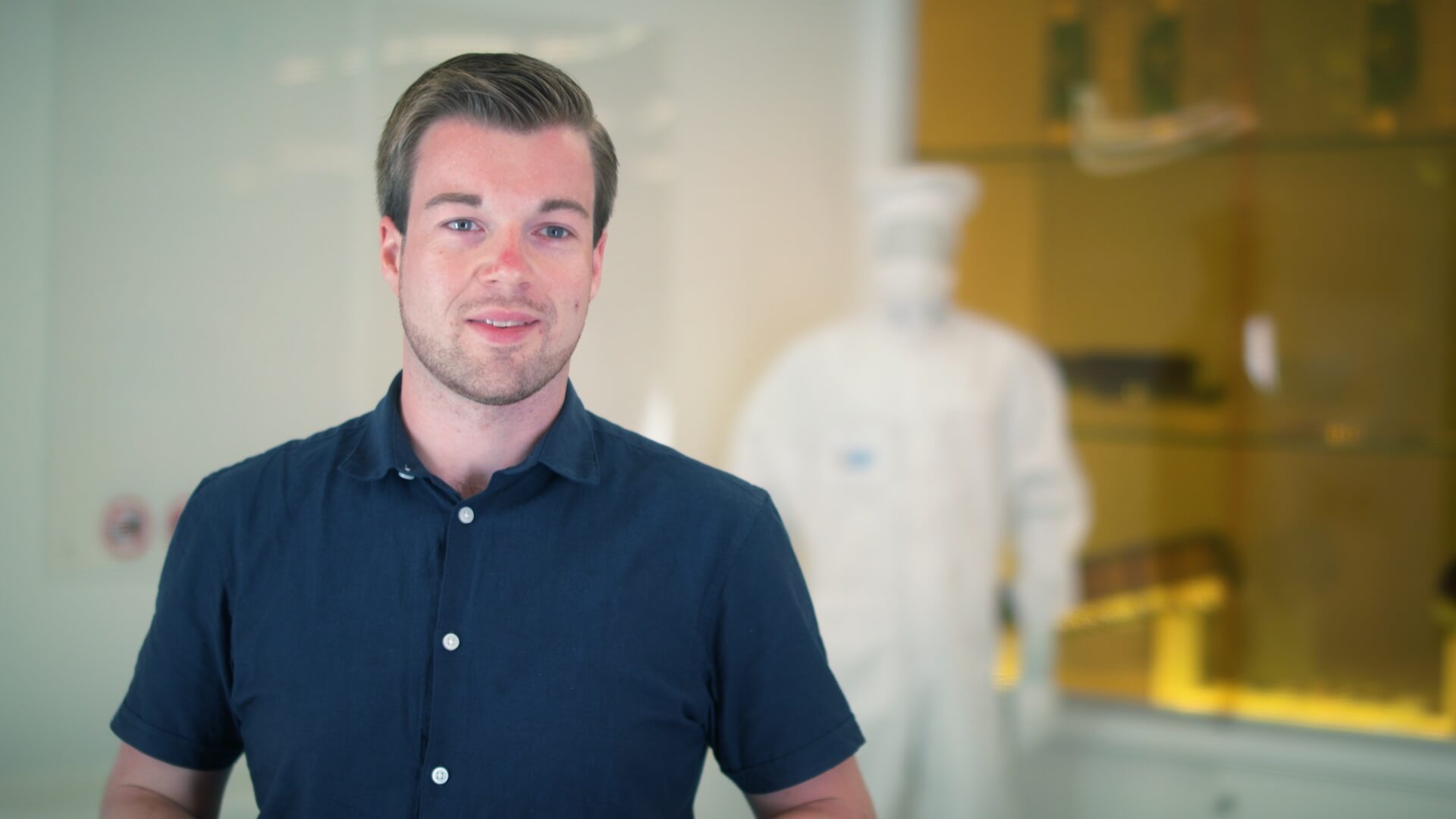
"To me, being engaged means that a person is dedicated but also enthusiastic about their work."
Nick Smeets
Project Leader, New Product Introductions
Shaping a sustainable future
Our new sustainability strategy includes targets to become carbon neutral in operations and minimize waste
Renewable energy consumption
2019 year-end figures
CO2 Scope 1 and 2 net footprint decreased
Waste created per €m revenue
Waste recycled
We aim to invent, develop and manufacture our products in a more environmentally friendly way
New sustainability strategy
Our new strategy for the years 2019–2025 focuses on five sustainability areas.
It will help us ensure a sustainable business and long-term value for our stakeholders, as well as shape a sustainable future and contribute to the United Nations Sustainable Development Goals.
Sustainability strategy
Five focus areas
Circular economy
We minimize waste and maximize resources to extract the maximum value from the materials we use, and we repurpose our products across their lifecycles.
Climate & energy
We are taking every step to lower our footprint to achieve zero emissions across our operations. And while increasing the productivity of our products, we are also working towards enhancing their energy efficiency.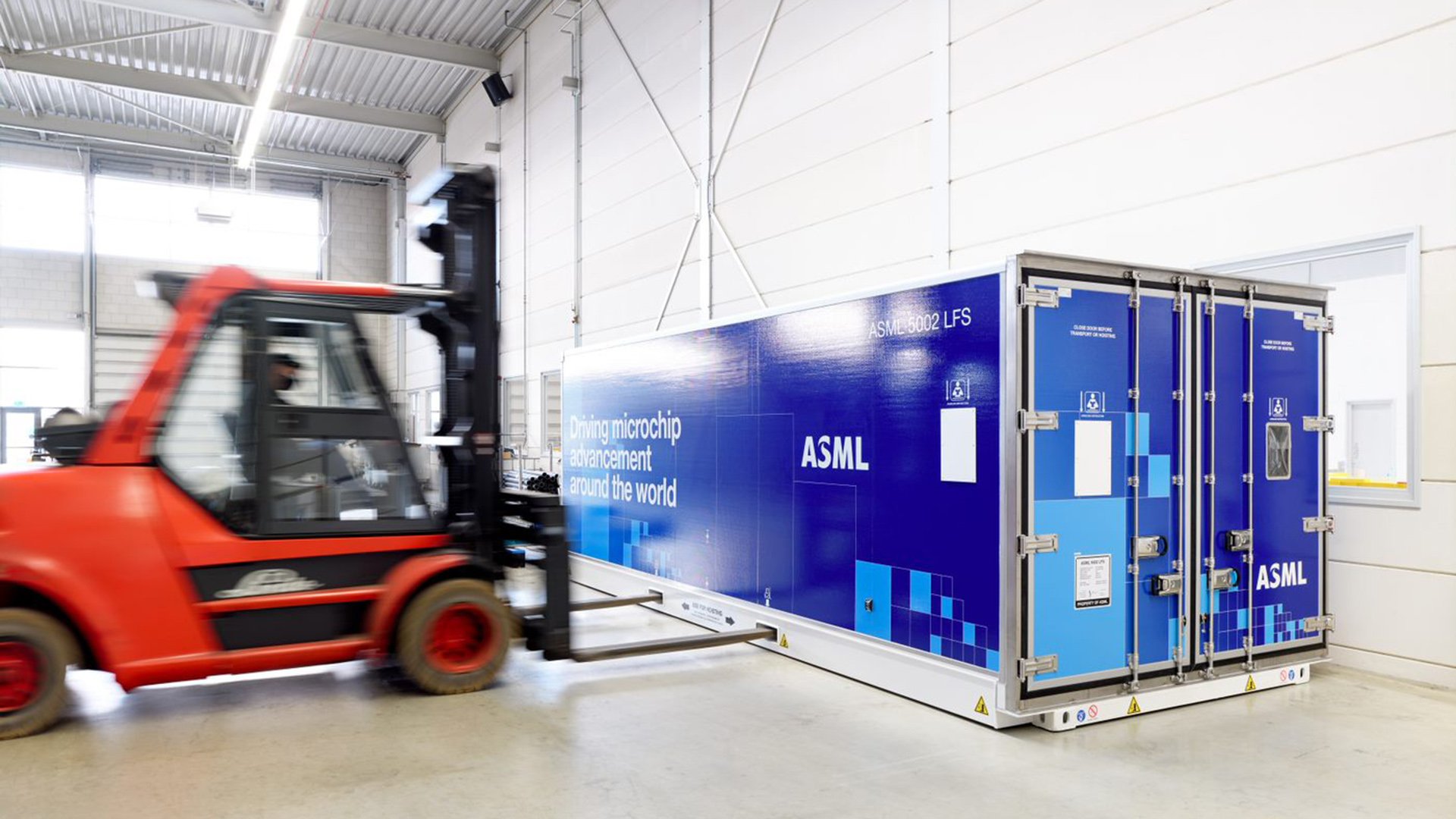
Responsible supply chain
By ensuring we conduct our business in a sustainable and responsible manner, we set the bar high for our world-class supplier network to follow suit.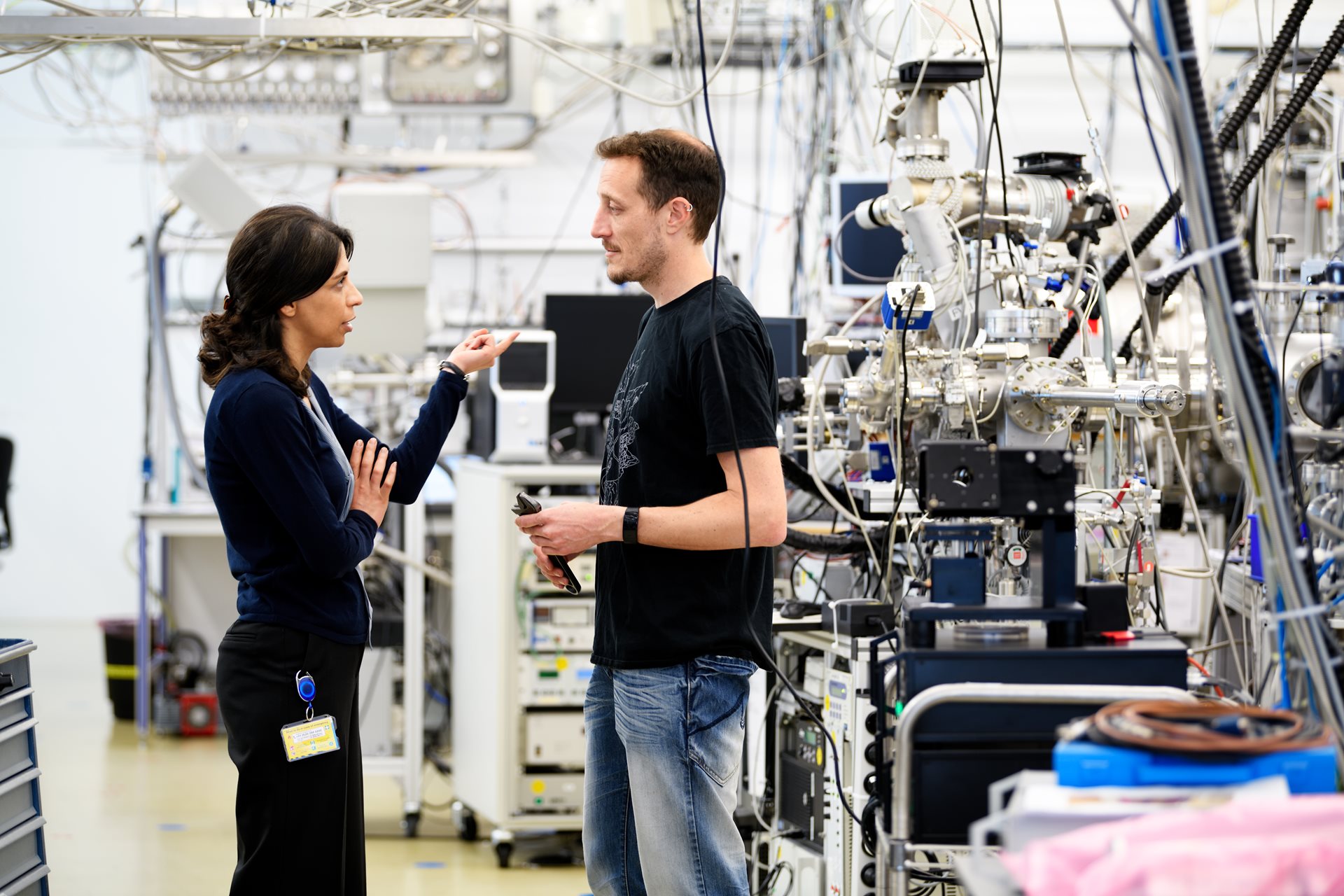
Innovation ecosystem
We don’t innovate in isolation to ensure the fast pace of innovation in our value chain. We develop technology together with the help of our partners and collaborative knowledge network.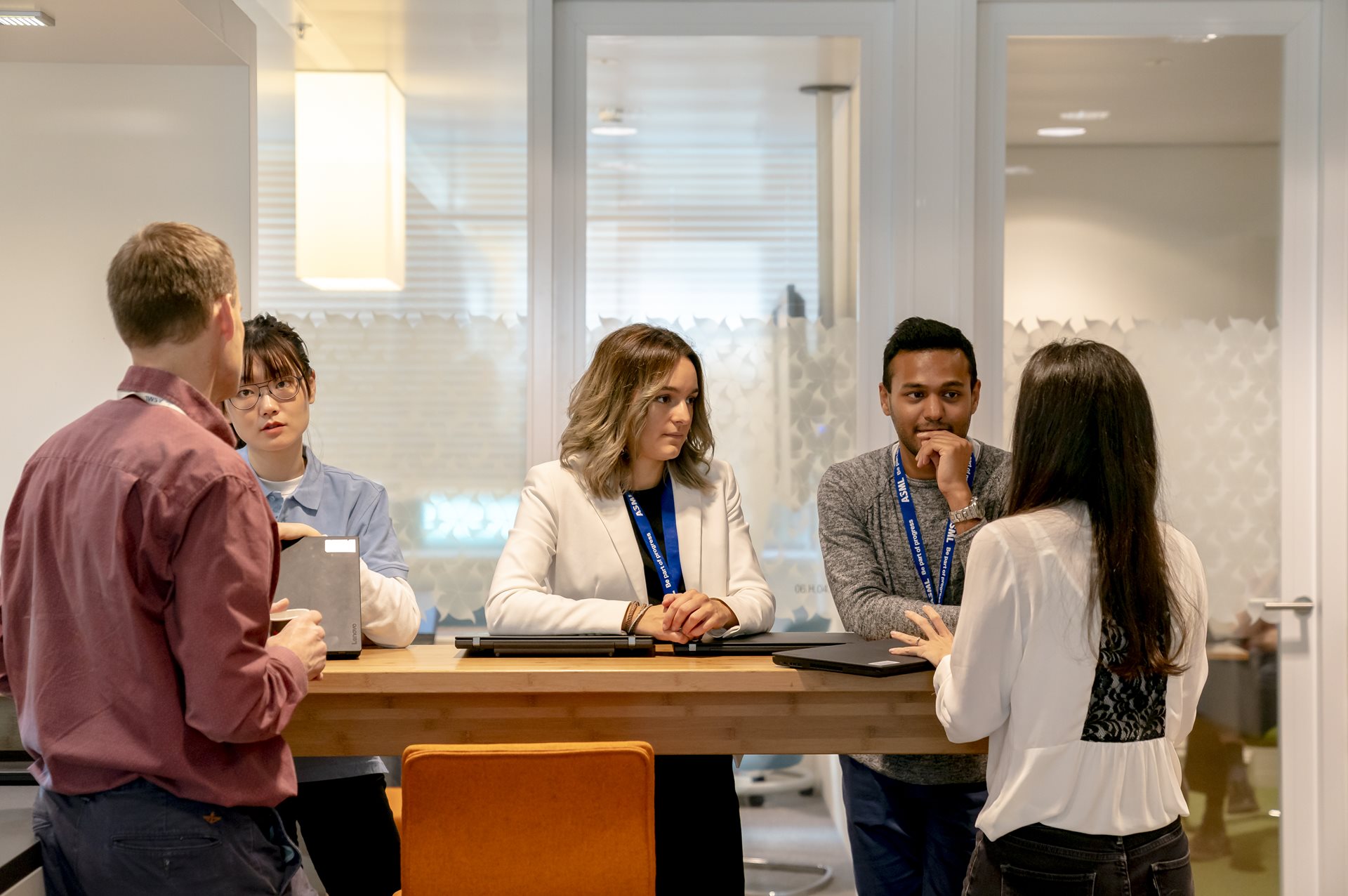
People
We empower individuals for the collective good, ensuring our employees are proud to work for us and are engaged with our ambitions as a company.
Energy and CO2 emissions
Our ambition is to achieve zero emissions across our operations. We are committed to decreasing our greenhouse gas (GHG) emissions and reducing our carbon footprint across our operations as well as in our value chain.
We are enhancing the energy efficiency of our buildings, shifting to renewable energy, and reducing emissions in our value chain where possible. In 2019, we used 97% renewable electricity across our operations, and we’re on track to achieve and maintain our ambition of 100% renewable electricity in 2020.
We reduced our combined net Scope 1 and Scope 2 CO2 footprint by 32.5%. This includes direct (-3% Scope 1) and indirect (-63% Scope 2) emissions from our operations. Savings were realized by improved technical installations and production processes at ASML. Other improvements included switching to LED lighting in our offices and recovering exhaust heat.
Our ongoing challenge is to meet our customers’ expectations of increasing the performance of our products while also reducing their energy consumption.
Waste and circular economy
Our new strategy includes ambitious targets to reduce waste, increase recycling and encourage reuse.
New waste targets
Our level of recycled waste, or material recovery, increased to 80% in 2019 and we’re working towards 85% by 2025. In addition, we want to reduce the amount of waste per revenue (yearly). This will require a change in mindset, and we must embed circularity in our way of working and thinking.
We have a number of waste management initiatives, including flexible cleanrooms and our Return4Reuse and As-New programs. In 2019, around 1.5 million kilograms of materials were received for reuse through the Return4Reuse program, preventing them from ending up as waste.
The modular design of our products enables us to upgrade those in use at our customers’ sites to a higher performance level without replacing the entire product. We also refurbish and upgrades our older lithography systems to a higher performance level to extend their lives.
System lifetime
A well-maintained ASML lithography system can last for decades, and almost every lithography system that we’ve ever shipped is still in use at a customer fab. Once older systems (such as the PAS 5500) are replaced by newer generations, they are refurbished and given a new lease of life in a fab where the manufacturer requires comparatively less sophisticated chips (such as accelerometers or radiofrequency chips).
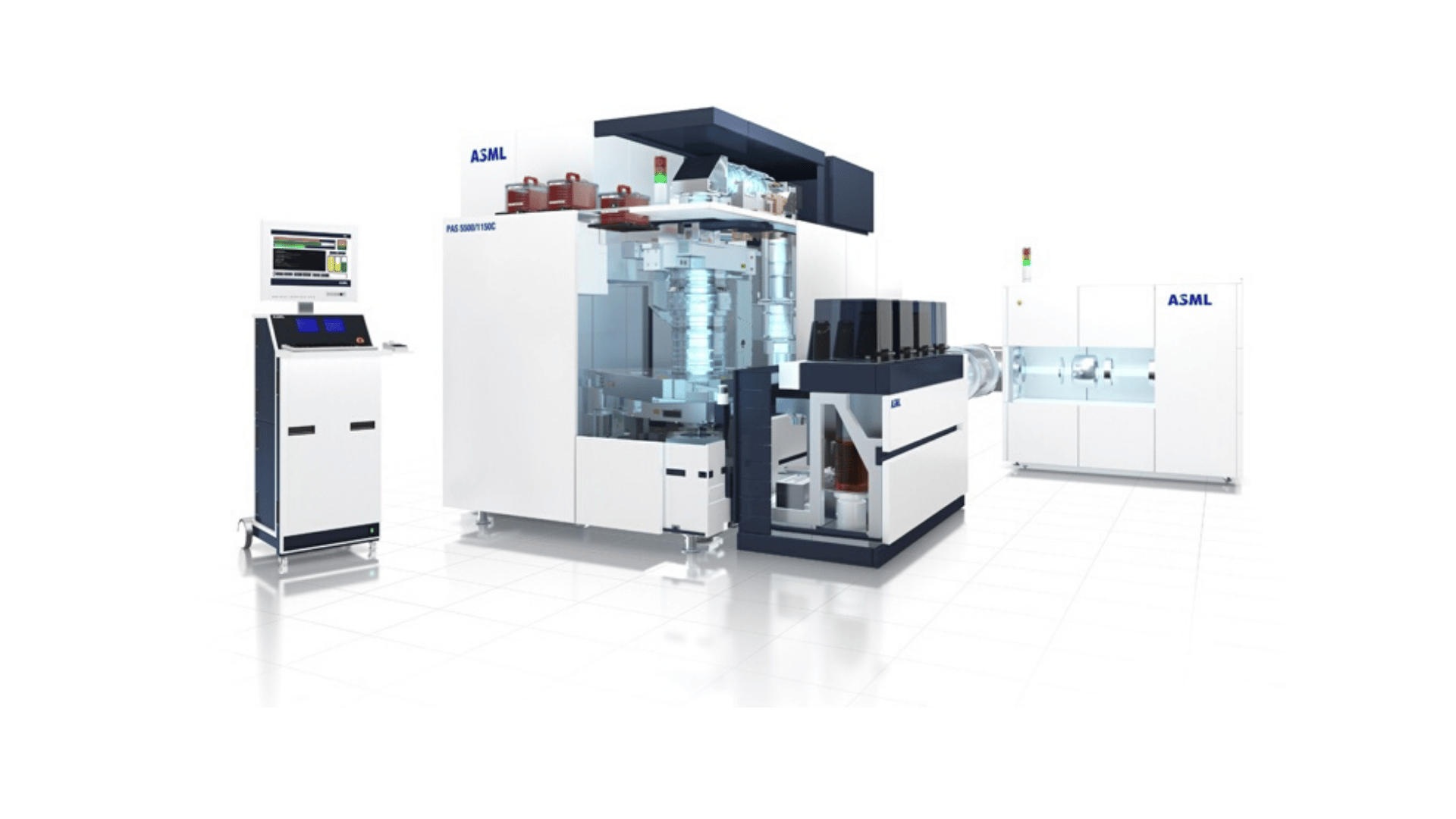
ASML PAS systems still in use
Of total ever sold
Systems refurbished to extend lifetime
Total of last 5 years
Sustainable facilities
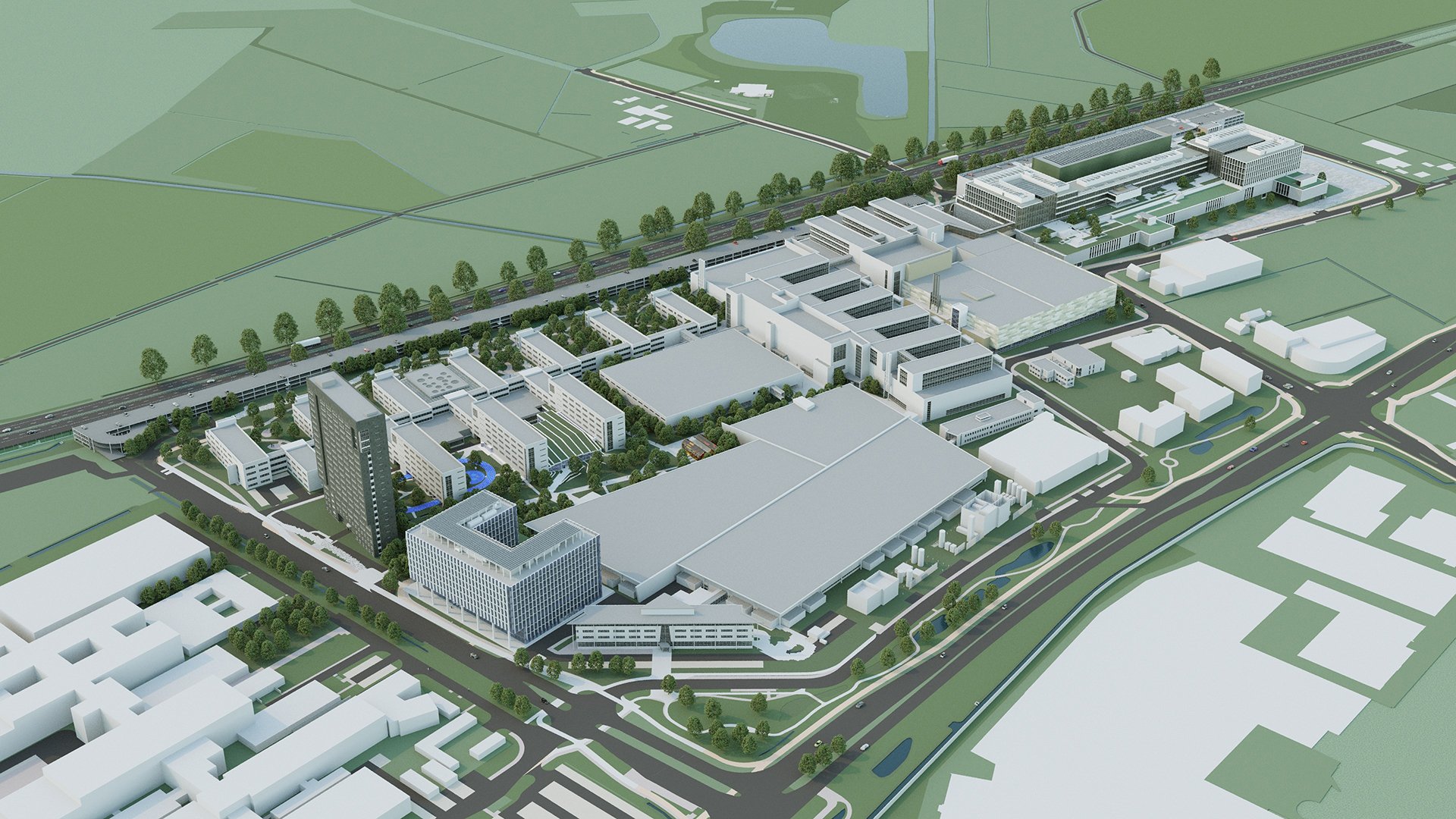
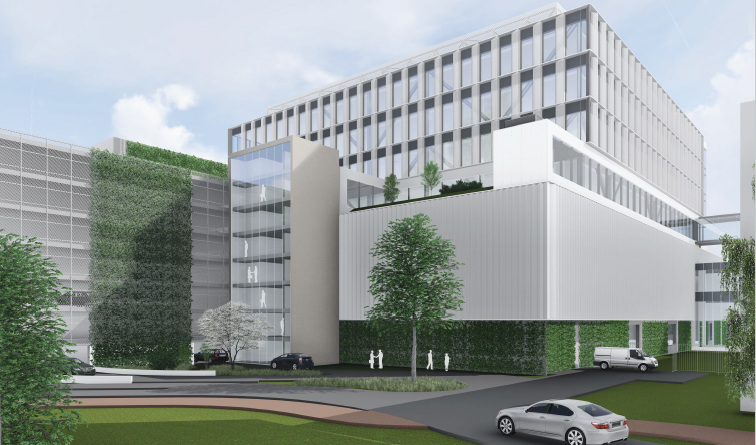
As we grow as a company, we need more buildings to accommodate our expanding workforce and operations. This means our campuses will get bigger. We see this as an opportunity to make our buildings as environmentally sound as possible.
Veldhoven campus
Sustainable redesign is a key activity as we expand our campus in Veldhoven, the Netherlands, aiming to reduce the environmental footprint of every square meter and limit waste. We are also striving to achieve a BREEAM level of ‘excellent’. Any new buildings we develop will be sustainable, with materials being reused and as little as possible thrown away during the building process.
Moving forward, giving back
We continue to help the world progress, in more ways than one
Total spend on community outreach
2019 year-end figures
Projects supported through ASML Foundation
Employee volunteer hours
Students reached
Being part of a community means not only caring for our own employees but looking out for those beyond our organization
Giving back
As a global technology leader and employer, we are committed to making a positive impact on the communities in which we operate, creating additional social value by giving back to society.
We combined our sponsoring and community engagement programs to enhance the ways we engage with and support the community. Our donations focus on working with our partners to reach out to our communities, not on brand awareness.
Our community relations program is built on three pillars:
Build attractive communities
STEM education in local communities
Support charity and global projects
In 2019, the total amount of cash commitments and in-kind support that ASML spent on charities, community involvement, organizations and our own ASML Foundation was around €5 million.
ASML Foundation
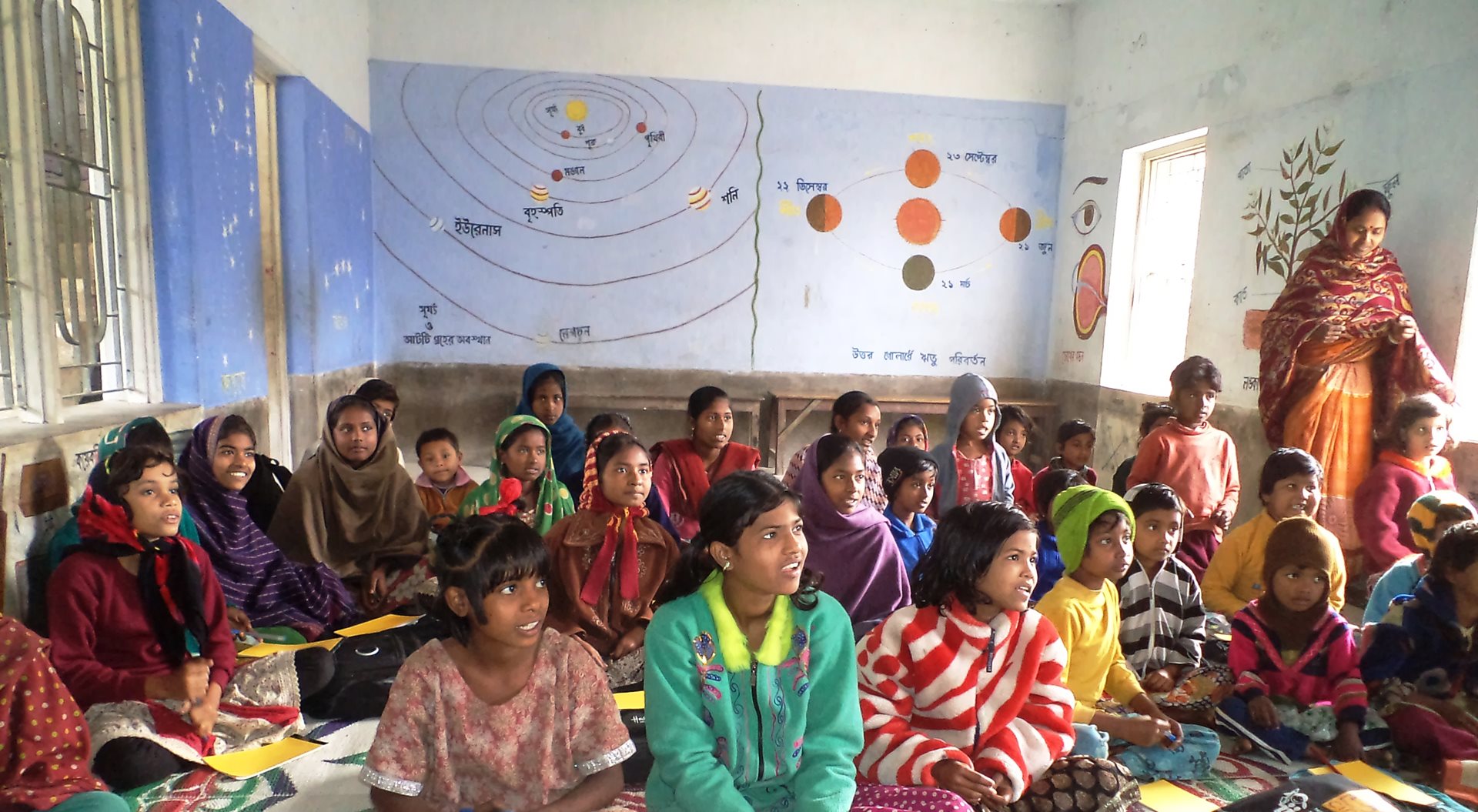
Independently operated ASML Foundation is our charity of choice. It funds projects to improve the lives of young people with inclusive, quality education. In 2019, the Foundation donated €0.9m, supporting 17 projects in 7 countries.
Employee volunteering program
We encourage our employees to contribute one day per year as volunteers during paid work hours.
We contributed more than 7,600 hours of volunteer work in 2019. Among our volunteering activities, we paint shelters, repair playgrounds, work in nature, clean beaches or take elderly people out for a day of fun. Groups of employees also get together to organize food drives or to make sure that children from financially disadvantaged homes receive Christmas presents.

Coastal cleanup
80 ASML Taiwan employees picked up trash and pollutants weighing over 280 kg, improving the coastline of the Hsinchu Nan-Liao Environmental Park.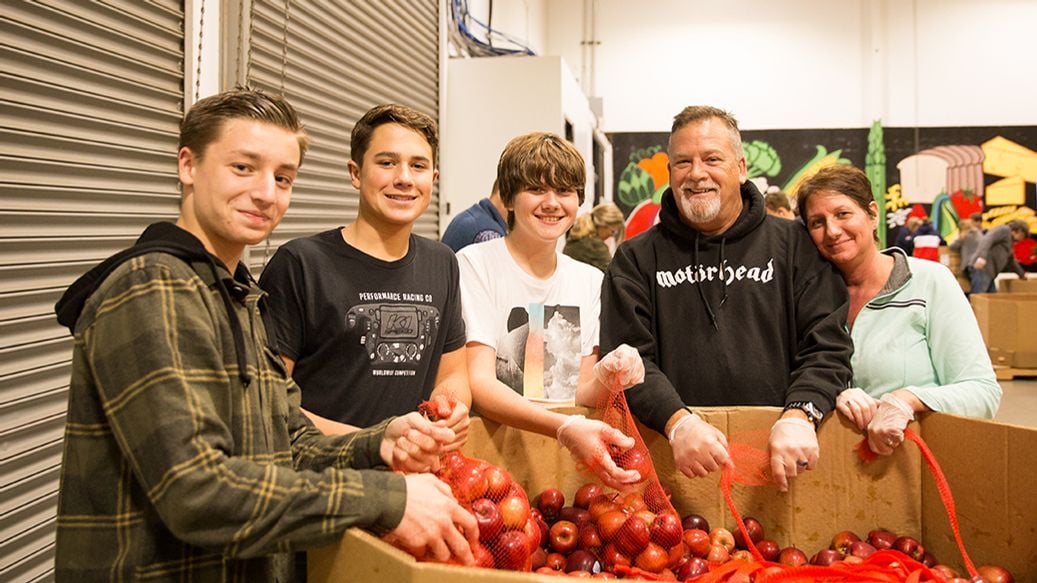
Food banks
Volunteers from across our US sites donated and sorted nearly 20,000 pounds (9,000 kg) of food for local food banks.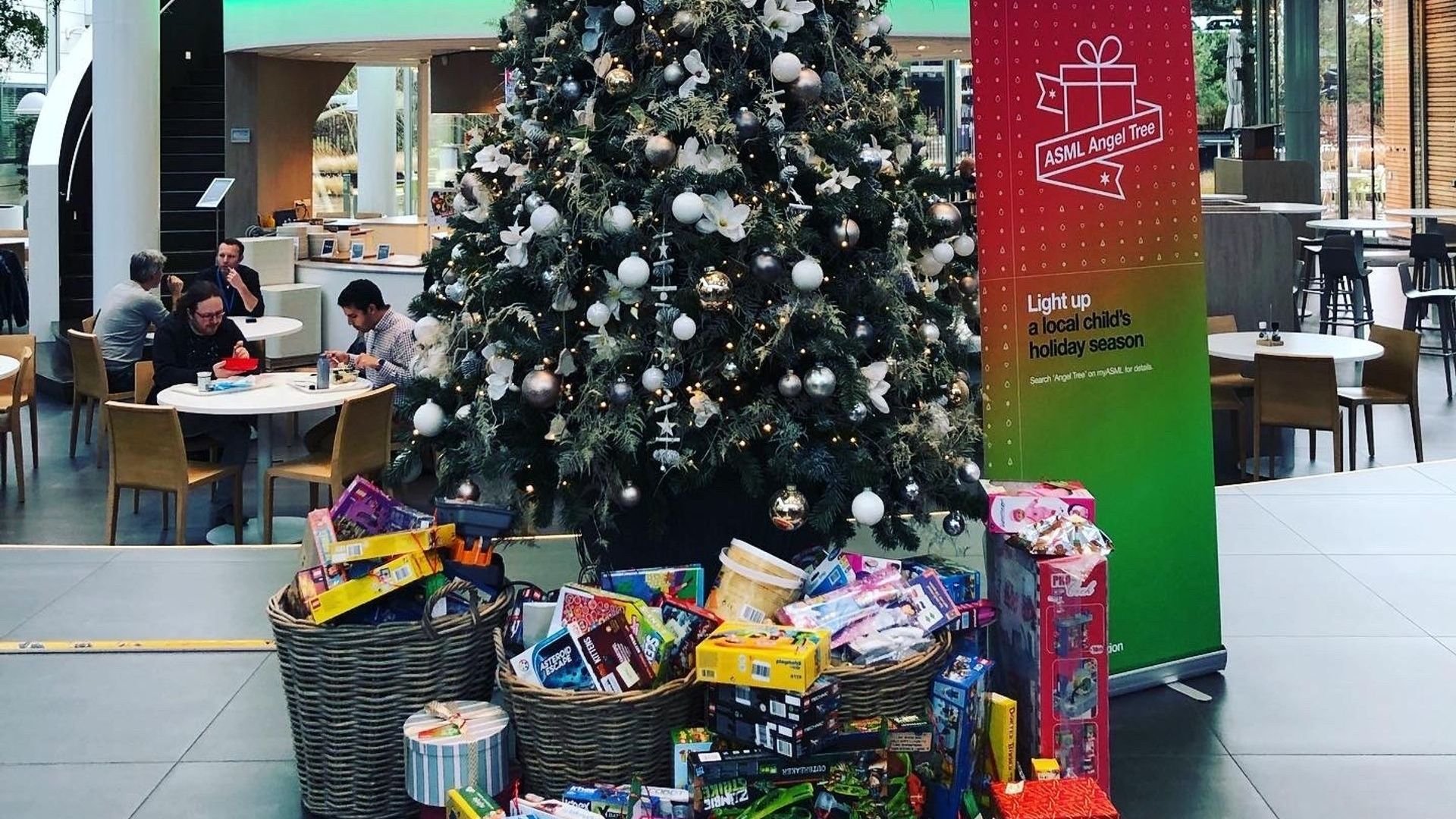
Angel Tree initiative
Employees donated around 700 Christmas gifts, which were wrapped by 30 volunteers, to give to children in need in the Eindhoven area.
Promoting STEM education
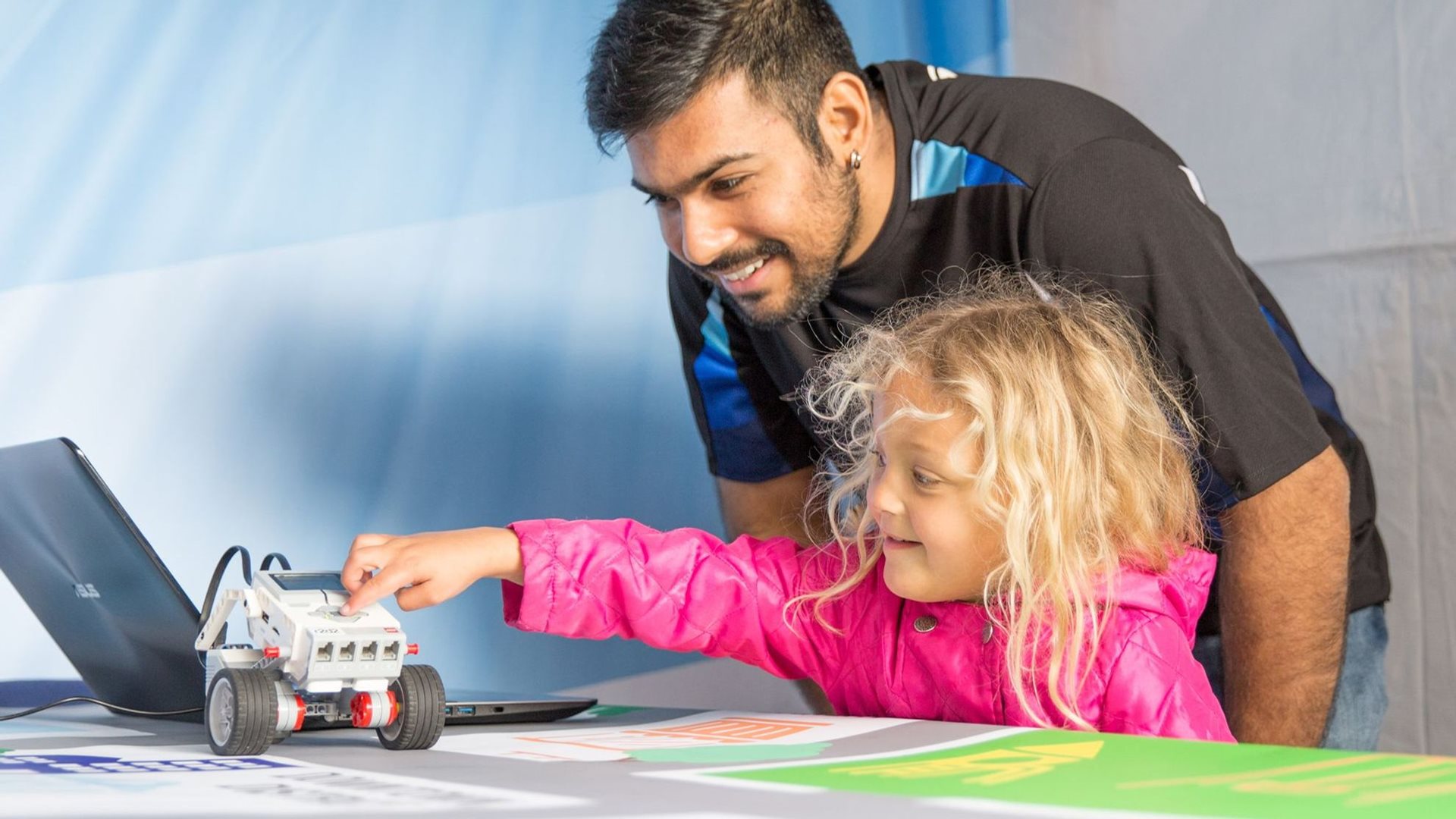
A key part of our community focus is on STEM (science, technology, engineering and math) education. As a global tech leader, we have a responsibility to prepare people for an increasingly digital future.
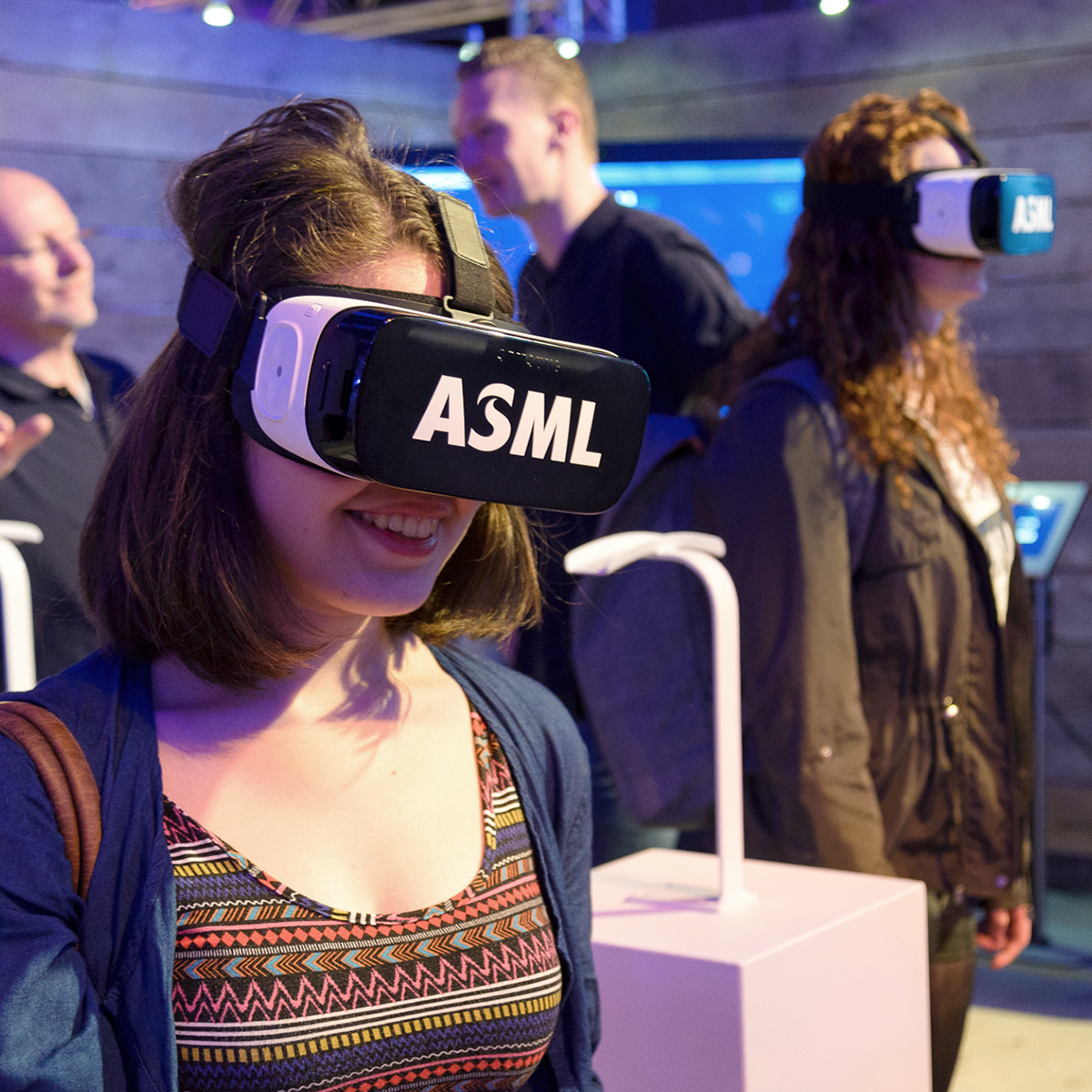
For many years we have encouraged employees to be ASML technology ambassadors. These ambassadors give guest lectures at primary and secondary schools and technology events around the world so that they can pass on their passion for technology and science to the next generation. We also promote technology among young people and students to raise the profile of the career prospects in our sector. In 2019, we reached a total of 9,000 students worldwide.
A record sales year
ASML achieved €11.8 billion in net sales in 2019
Net sales
Based on US GAAP
Gross margin
R&D expenses
Earnings per share (basic)
Over half the net value of our bookings now comes from EUV systems highlighting strong demand for our unique technology
Lithography proves vital
ASML sales grew by 8% despite an overall decline in our industry. This reflects the increasing importance of lithography in the semiconductor industry.
2019 was a year of growth for ASML with €11.8 billion in net sales, setting another record for us. Major innovation drivers such as artificial intelligence, 5G, high-performance computing, autonomous driving and big data are enabling new end-user applications. These applications require a larger number of high-performance Logic chips, fueling demand for leading-edge nodes.
Due to our continued growth and the number of our products now in the field, our installed base business is gaining momentum and was worth over €2.8 billion in 2019.
Total net sales
(€ billions)
0

Enable third party cookies to play this video
Below you can enable third party cookies. Your choice will be saved and the page will refresh.
System sales
In 2019, our EUV systems entered high-volume manufacturing fabs, marking the beginning of a new era of lithography and chipmaking.
We sold a total of 229 lithography systems in 2019. Our DUV business remains strong and far greater in volume, but over half the value of our net bookings now comes from EUV systems. We shipped around 50% more of our YieldStar metrology systems than last year, driven by demand in the lead-edge Logic market.
Net system sales breakdown
(% system sales)
0
Sales of lithography systems
(units)
0
Of the 26 EUV systems we shipped, 9 were our latest model, the NXE:3400C. This system delivers increased productivity of over 35% as well as significant improvements in availability, helping our customers drive down the production cost per wafer.
Investing in the future
We continue to be focused on the long term, with significant and strategic investments in R&D and operational infrastructure.
Our R&D spend increased significantly in 2019, reaching €2.0 billion. Our focus is on bringing our current EUV technology to the maturity level of our DUV systems to meet our customers’ high-volume manufacturing requirements and developing the next-generation EUV technology: High-NA. In addition to EUV developments, we continue to invest in our DUV technology and our Metrology & Inspection product portfolio, which includes our NXT:2050 and our multibeam inspection system.
Our capital expenditure is focused on building the facilities we need to develop and manufacture our new technologies and support future growth opportunities.
Returning capital to investors
We returned more than €1.7 billion through dividends and share buybacks in 2019, including €441 million in interim dividends.
In 2019 we introduced an interim dividend payment, aligning cash distributions closer to our cash flow pattern. ASML aims to distribute a dividend that will grow over time, paid semi-annually. The 2018–2019 share buyback program for up to €2.5 billion was not completed for the full amount. In January 2020, we announced a share buyback program for up to €6.0 billion, to be executed within the 2020–2022 time frame.