2023 Annual Report
Explore the highlights and access all downloads
Download 2023 Annual Report (US GAAP)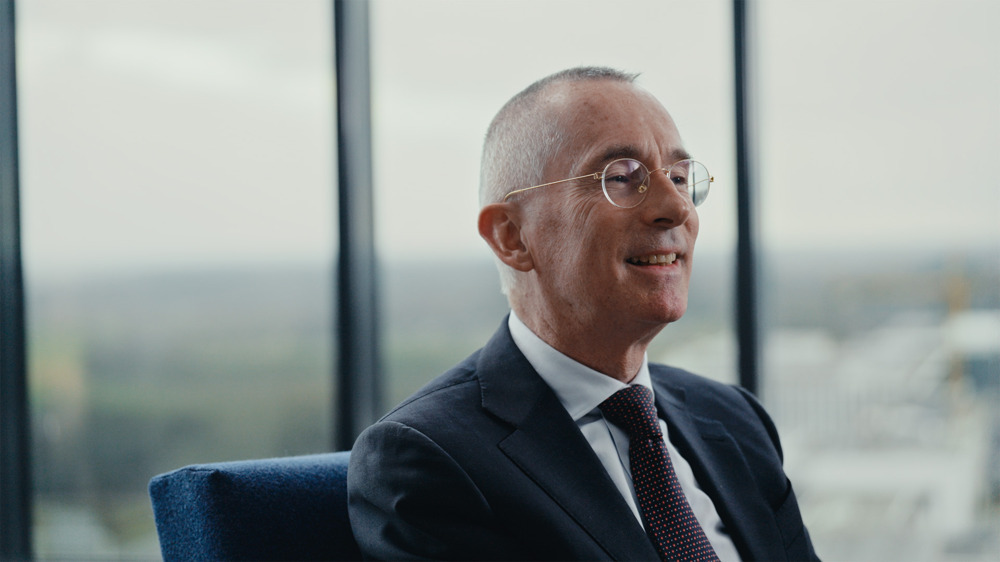
Enable third party cookies to play this video
Below you can enable third party cookies. Your choice will be saved and the page will refresh.
Net sales
R&D investments
Total sourcing spend
Reported for non-financial (GRI) reporting purposes
Employees (FTE)
Scope 1 & 2 CO₂e emissions
Employee engagement score (%)
Explore full details and data
CEO message
ASML delivered strong performance despite macroeconomic and geopolitical challenges
Download 2023 Annual Report (US GAAP)Explore full details and data
Managing the cycle, preparing for greater growth in years to come
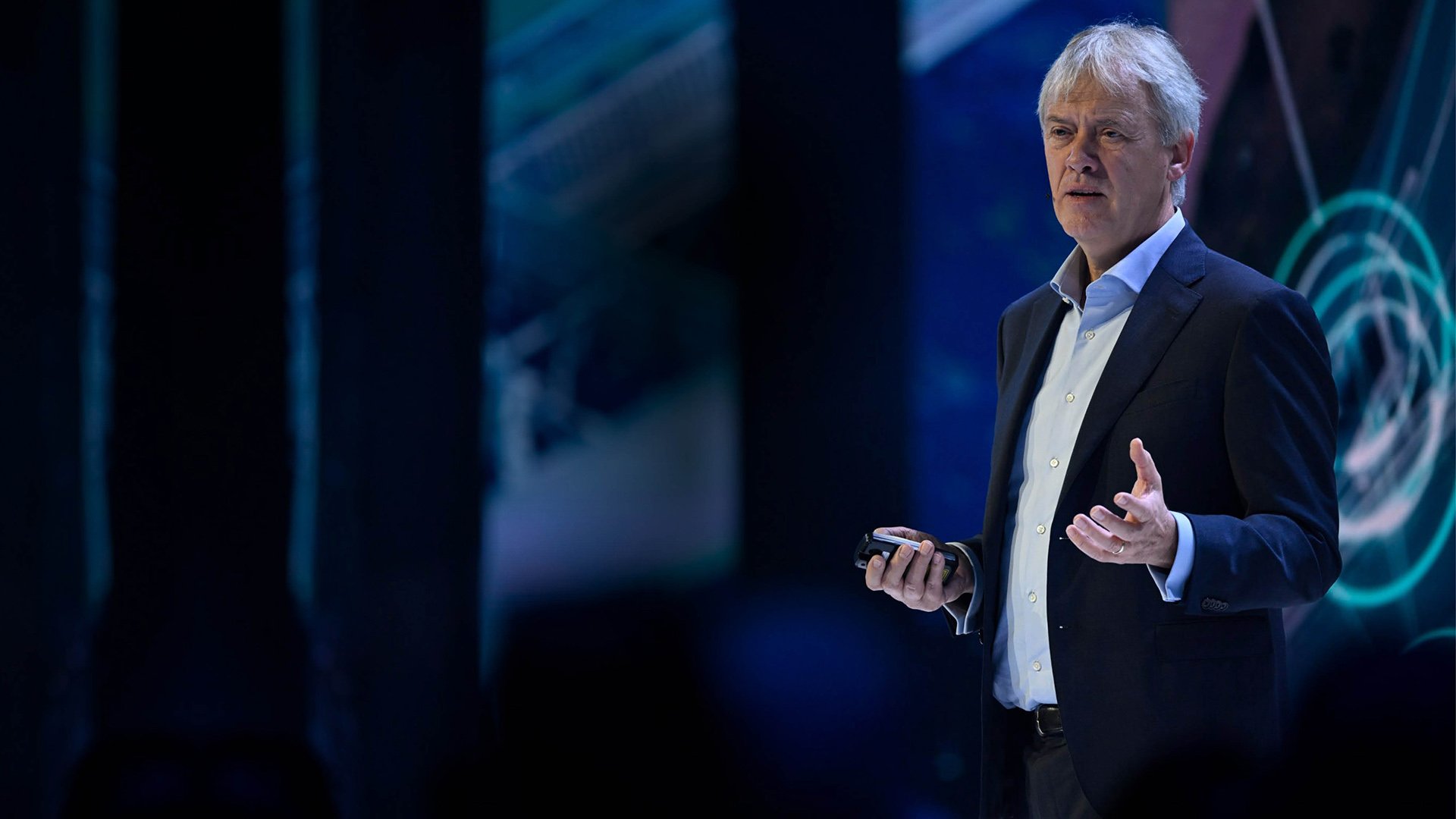
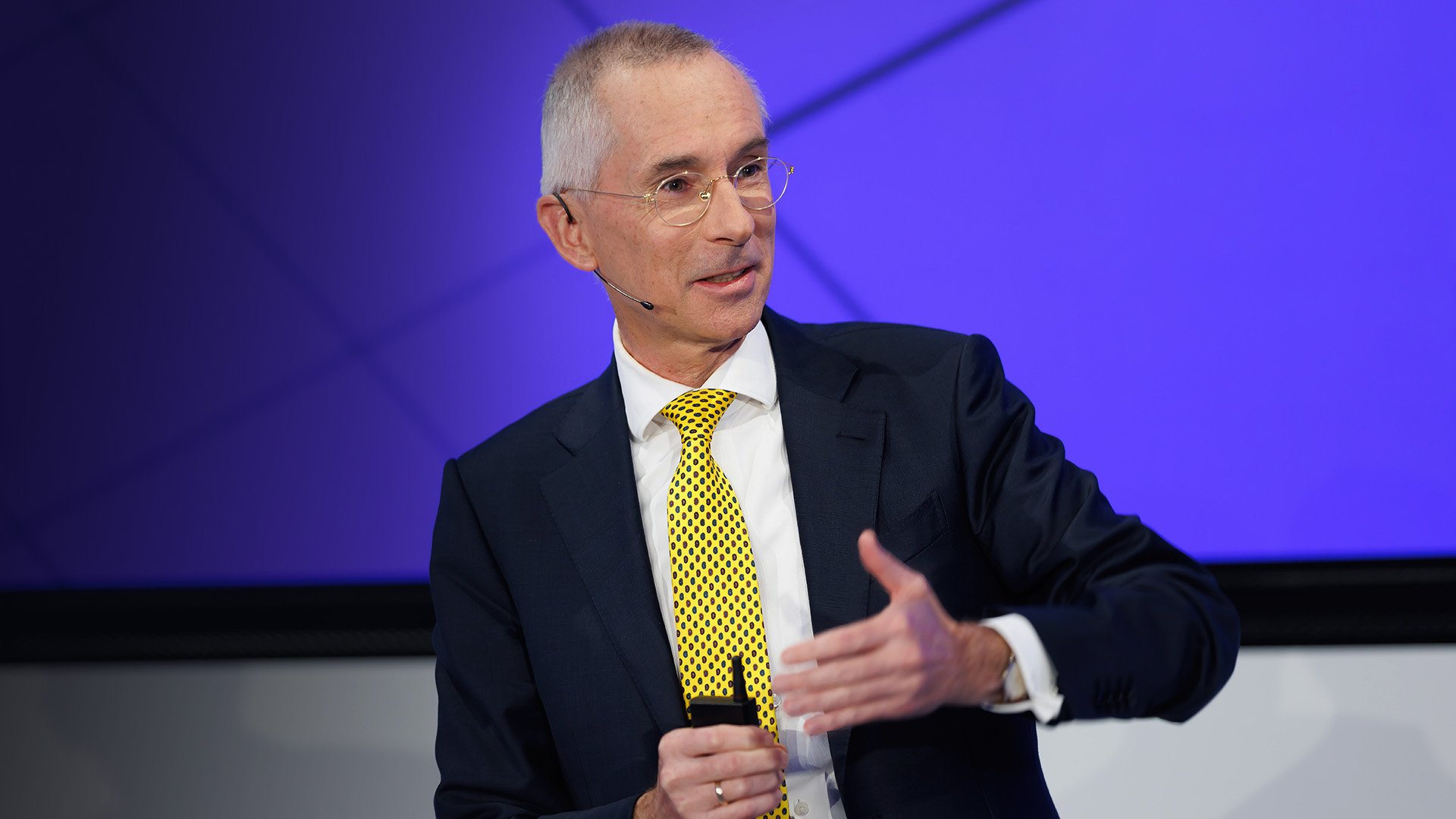
President, Chief Executive Officer and Chair of the Board of Management, Peter Wennink.
Despite macroeconomic and geopolitical challenges, ASML has again delivered strong performance in 2023. We have grown sales by 30% to €27.6 billion and lifted our gross margin to 51.3%. We returned €3.3 billion to shareholders through a combination of dividends and share buybacks. At the end of 2023, we finished with a backlog of €39.0 billion and we anticipate that with our sustained focus on technology innovation, we will continue to break new ground – not only in terms of technological development, but also in how we manage the environmental impact of our products and services.
This stellar performance has been achieved against a backdrop of what turned out to be a real downturn in the semiconductor industry instead of the mild and short-term correction that many had forecast. In addition, we had to manage uncertainties created by geopolitical challenges including the US and Dutch government’s export control regulations, and global macro concerns around inflation, rising interest rates and lower GDP growth in certain economies. There have also been other uncertainties at play, driven by the ongoing war in Ukraine as well as the more recent conflict in the Middle East. These have inevitably dented confidence and reduced investment by our customers.
"Our task in 2024 is to reflect on our organization and capabilities and prepare for the rapid growth that is sure to come.”
Peter Wennink, Chief Executive Officer and Chair of the Board of Management
See the 2023 Annual Report for the full CEO message.
Our company
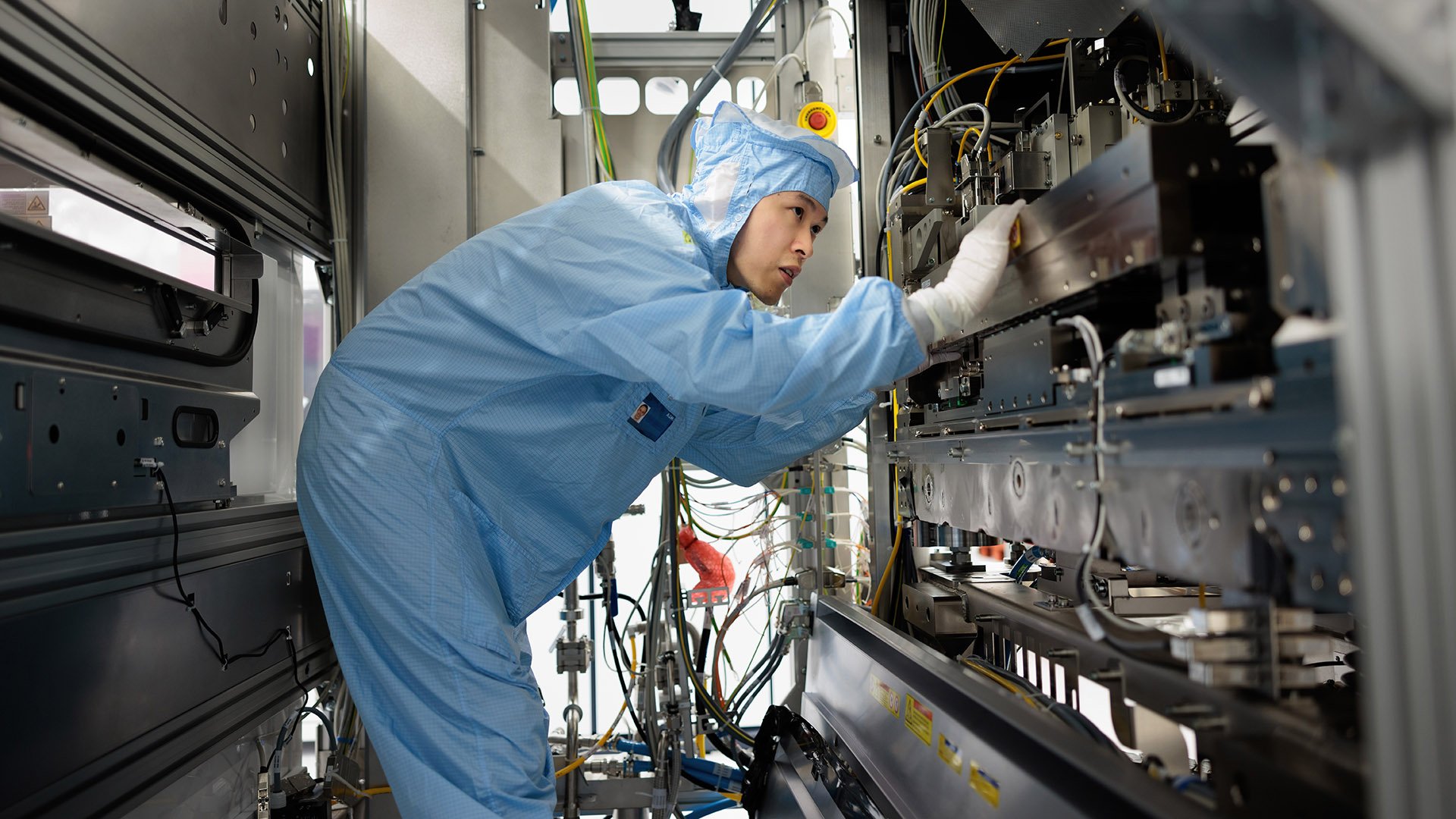
We help chipmakers push technology to new limits with our holistic lithography portfolio
Download 2023 Annual Report (US GAAP)A global innovator
As one of the leading innovators in the semiconductor industry, we’ve been helping chipmakers push technology to new limits and unlock the potential of society since 1984. Together, our hardware, software and services provide a holistic approach to mass producing the patterns of microchips.
Find out more about our company:
Driving Moore’s Law across four decades of innovation
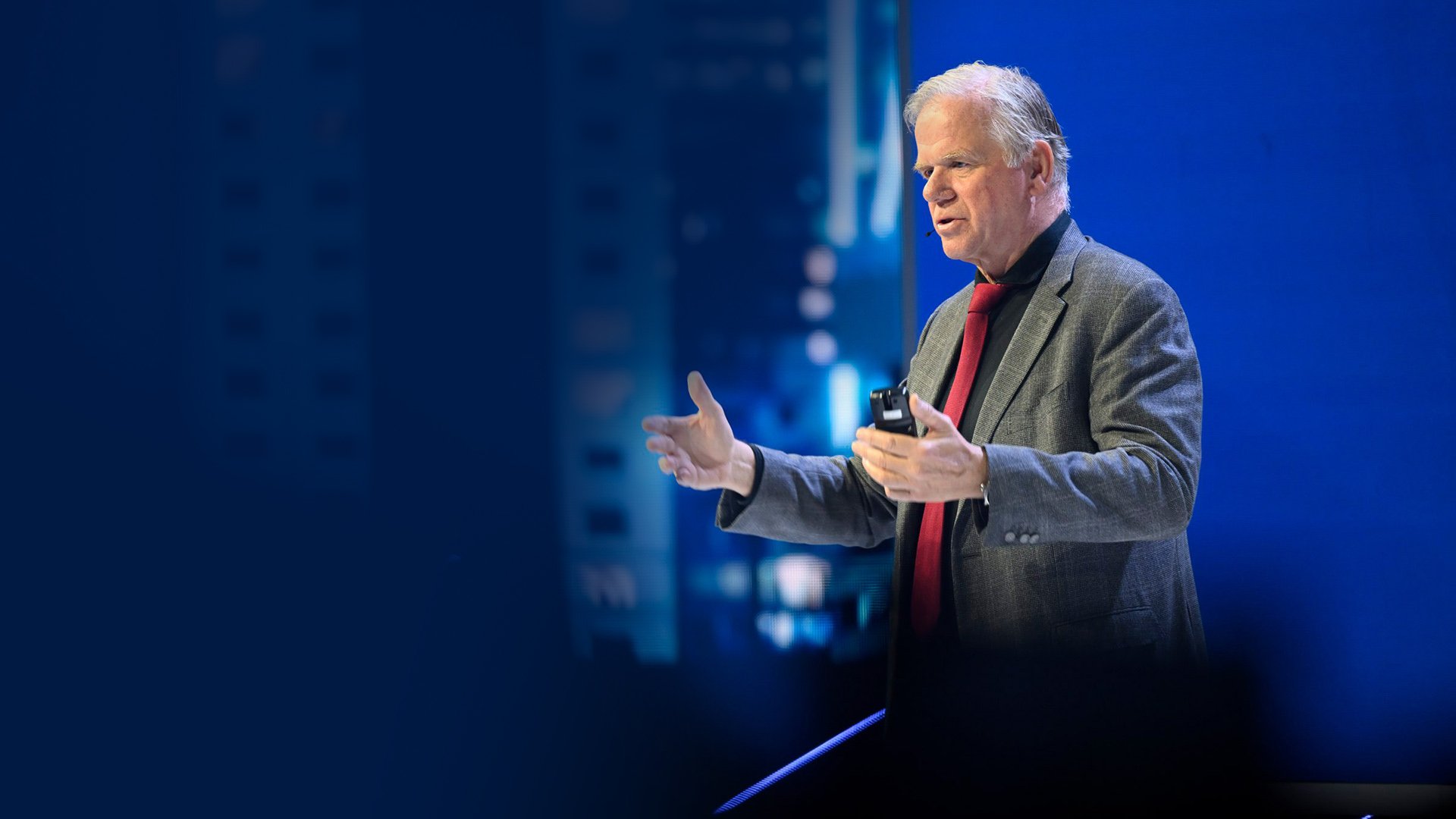
In conversation with our President, Chief Technology Officer and Vice Chair of the Board of Management, Martin van den Brink
In 2024 it will be 40 years since a small team of colleagues, including me, first came together in a leaky shed in Eindhoven to develop lithography systems for the growing semiconductor market. That was the start of ASML as we know it today. So although 2023 was another dynamic year for innovation, this was not achieved overnight but as the result of all the hard work that preceded it.
For our innovation teams, it was undeniably a very proud moment when we successfully shipped the first modules of our first High NA EUV system, EXE:5000, following extensive testing and integration of the system throughout the year. Our EXE High NA EUV platform increases the numerical aperture from 0.33 to 0.55 and will enable geometric chip scaling well into the next decade.
In DUV immersion, we rolled out a lens distortion manipulator to adjust the optics in operation and reduce overlay errors, which gives us an opportunity to improve our mix and match overlay between EUV and DUV immersion.
Regarding our metrology and inspection product portfolio, in 2023, we brought to market the YieldStar 500, our latest optical overlay and focus metrology tool, designed to be the new benchmark for measurement accuracy, matching performance and measurement speed. Our multibeam and single-beam high-voltage systems are getting close to the point where customers can use them in production.
“Digitalization will continue to enable many of the solutions that are transforming our planet.”
Martin van den Brink, Chief Technology Officer and Vice Chair of the Board of Management
See the 2023 Annual Report for the full CTO Q&A.
Marketplace – the world around us
The macro-economic situation remains volatile and we continue to see macro trends such as high interest rates, inflation, fear of recession and geopolitical tensions increasing in some parts of the world. The semiconductor industry is trying to manage its inventory levels in some end-market segments to balance supply and demand.
However, overall global trends – such as generative AI, the energy transition, the electrification of mobility and the industrial Internet Of Things (IoT) – continue to fuel semiconductor growth in the longer term. We have strong confidence that the semiconductor ecosystem will continue to innovate and grow at a high single-digit compound annual growth rate.
Developing our competitive advantage
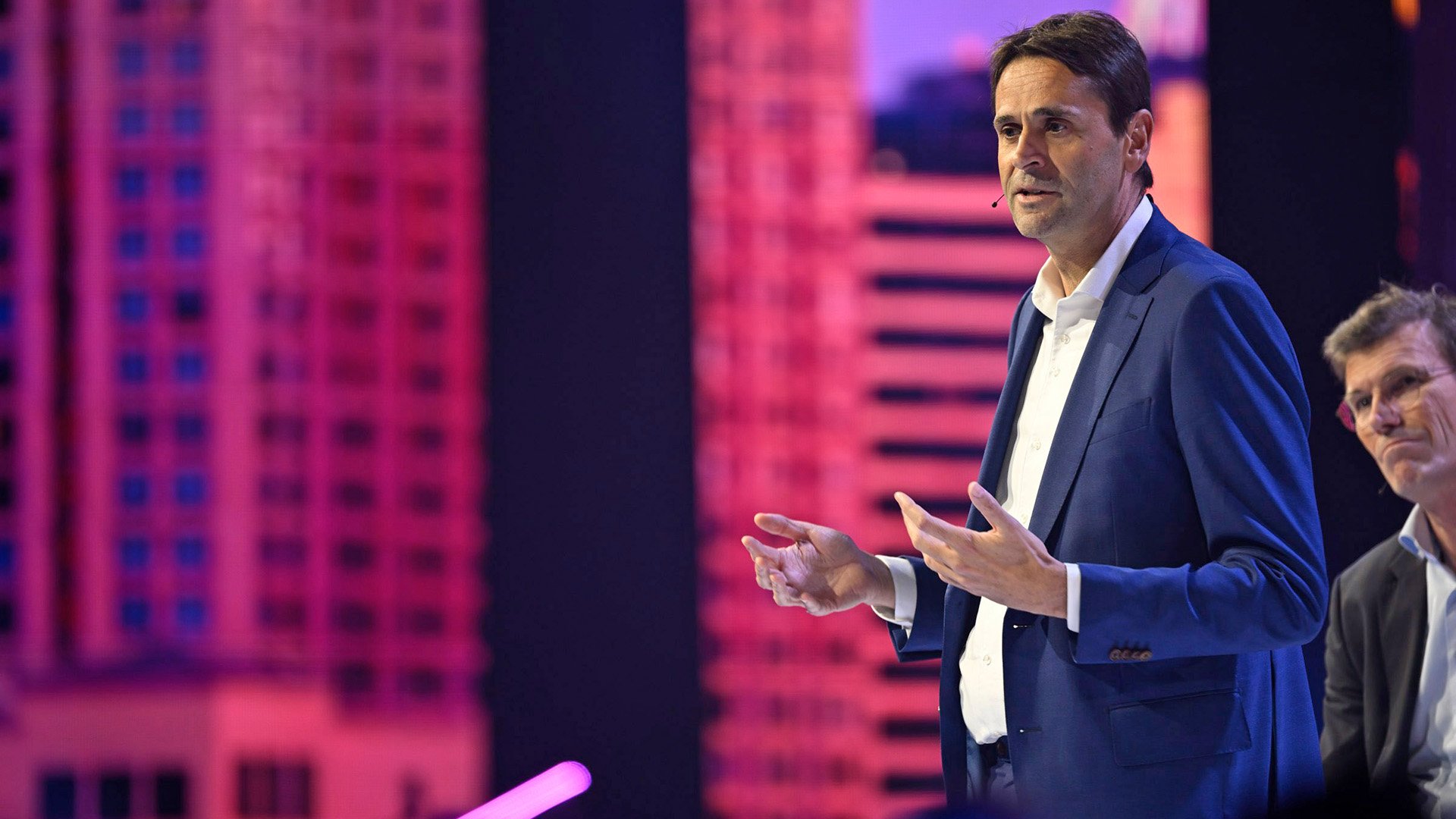
In conversation with our Executive Vice President and Chief Business Officer Christophe Fouquet on his responsibility for the ESG sustainability strategy
ESG sustainability is a key challenge for all companies because it is a challenge for the world in general. Almost everything we do at ASML – from how we design and deliver solutions to the technologies our products enable for the end users of technology – can affect the environment or society.
Where I think ASML is different to other companies lies in how we are working to manage that impact. Our ESG sustainability strategy is now established and driving progress towards more inclusive and sustainable growth for all. As Chief Business Officer, I’m responsible for this strategy at Board level, and I work closely with the total organization to make sure it delivers on its promises.
For us, ESG sustainability is a real competitive advantage and we embrace it wholeheartedly. It powers our innovation mindset because it underpins diversity and inclusion, and it forms the structure against which we can measure our impact on the world.
“For us, ESG sustainability is a real competitive advantage and we embrace it wholeheartedly.”
Christophe Fouquet, Executive Vice President and Chief Business Officer
See the 2023 Annual Report for the full CBO Q&A.
On November 30, 2023, the Supervisory Board of ASML announced its intention to appoint Christophe Fouquet, as the company’s next President and Chief Executive Officer. The appointment is subject to notification of the Annual General Meeting of shareholders on April 24, 2024.
Strategy
Our purpose is to unlock the potential of people and society by pushing technology to new limits. Our vision is that we enable ground-breaking technology to solve some of humanity’s toughest challenges. Our strategy and priorities are designed to deliver on these points and create long-term sustainable value for our stakeholders.
Our strategy is to:
-
Grow our holistic lithography business
-
Secure unique supply chain capabilities to ensure business continuity
-
Move toward adjacent business opportunities
-
Deliver on our ESG sustainability commitments

Business model
Creating sustainable long-term value through holistic lithography
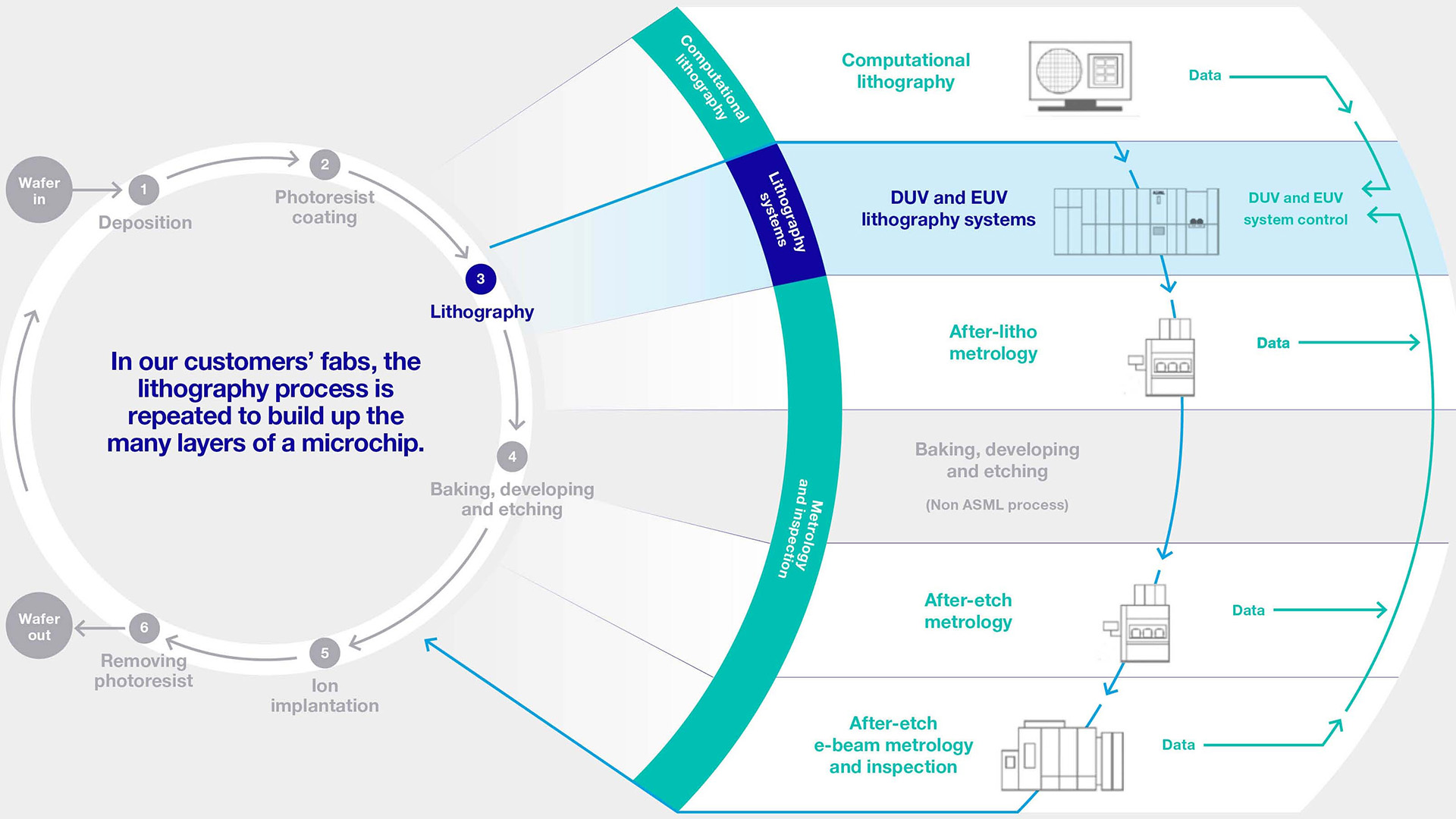
Our holistic approach integrates lithography systems with computational tools, metrology and inspection systems, and process control software solutions. This enables us to provide chipmakers with support and solutions at every stage of the chipmaking process, from early design and development to high-volume production.
Through the continued execution of our strategic priorities, we aim to deliver cost-effective solutions that support all applications, from leading-edge to mature nodes, enable the extension of the industry roadmap into the next decade, and deliver on our ESG sustainability commitments.
ESG sustainability commitments
To be a sustainability leader, we must drive progress towards a sustainable society. This means enabling ground-breaking technology that solves some of humanity’s toughest challenges.
To create long-term value for our stakeholders, we focus our strategy on the sustainability topics where we can have the greatest impact. Read more in the sections:
Explore full details and data
Financial performance
Delivering on our expectations in spite of the challenges
Download 2023 Annual Report (US GAAP)Robust results in a challenging macro environment
In conversation with our Executive Vice President and Chief Financial Officer, Roger Dassen
In 2023, we delivered on our expectations in spite of the challenges. We reported an excellent financial performance, with sales up by 30% and a gross margin of 51.3%. When taking the macro environment into account – inflation, high interest rates, falling GDPs, geopolitical tensions and a downturn in the semiconductor industry – this achievement was little short of remarkable.
Firstly, we had been significantly supply-constrained in both 2021 and 2022, and over the last 12 months we saw those constraints ease. The supply bottlenecks created by COVID-19 restrictions have now worked their way through the system. This meant that over 2021 and 2022, we built up a very significant backlog that we could start eating into in 2023.
Secondly, although we have received significant orders from customers in China for a number of years, our fill rate has been less than 50%. This meant that, while some of our other customers were understandably taking their foot off the accelerator, we could take the opportunity to step up our China order fill rate this year.
We believe the market has now reached the lowest point of the dip and although we cannot predict the exact nature of the slope ahead, the recovery is nascent. We expect 2024 to be a transition year with revenue broadly similar to 2023.
We face the future with confidence, sure in our technology and strategies, and proud of our ability to be a force for good in the world and committed to meeting the increasing demands that all our stakeholders – from customers, suppliers and shareholders to governments and wider society – place upon us.
“We believe that the years ahead will see a significant uptick in the market.”
Roger Dassen, Executive Vice President and Chief Financial Officer
See the 2023 Annual Report for the full CFO Q&A.
Total net sales
Gross margin
Repurchased shares
Dividends paid
All figures based on US GAAP
Sales
We achieved another excellent year for sales in 2023, with strong demand in Logic markets.
Total net sales increased by €6.4 billion, up by 30.2%, reflecting an increase in net system sales of 42.2%. This was partially offset by a decrease in service and field option sales of 2.1% compared to 2022.
The increase in total net sales was primarily driven by higher sales volumes for EUV NXE and DUV immersion systems, as supply caught up with demand. We recognized revenue for 53 EUV systems in 2023 compared with 40 EUV systems in 2022. Sales of DUV systems increased from 305 units in 2022 to 396 units in 2023.
Revenue growth from Logic and Memory markets
€ billions
0
Logic
Memory
Service and field options
Total net sales
Net system sales
Net service & field option sales
Sales of lithography systems (in units)
All figures based on US GAAP
Research & development (R&D)
In 2023, we invested €4.0 billion in R&D, up from €3.3 billion in 2022.
We increased our investment in R&D across our business to support our holistic lithography solutions. The most significant investments were directed towards further enhancing EUV high-volume manufacturing, and the development of High NA (0.55 NA) EUV.
In addition, we continued to support our DUV portfolio to improve productivity. We introduced the NXT:1980Fi immersion system, which improves productivity for mid-critical DUV layers, and the NXT:400M dry system for improved productivity in the i-line market. We continued developments for the next generation of scanners, including the NXT:2150i and NXT:870B, while also continuing to invest in areas such as single-beam inspection, e-beam metrology and optical metrology.
Research and development investment
(€ billions)
0
Long-term growth opportunities
Based on different market scenarios, shared during our 2022 Investor Day, we believe we have an opportunity to reach the following in 2025 and 2030:
-
2025: annual revenue between approximately €30 billion and €40 billion with a gross margin between approximately 54% and 56%
-
2030: annual revenue between approximately €44 billion and €60 billion with a gross margin between approximately 56% and 60%
Explore full details and data

Environmental
Reducing the environmental footprint across our value chain
Download 2023 Annual Report (US GAAP)We want to help drive expanding computing power while minimizing waste, energy use and emissions. We focus on energy efficiency and climate action, and the circular economy to achieve this goal.
Energy efficiency and climate action
We are working to reduce our carbon footprint to achieve net zero emissions across our value chain by 2040.
Scope 1 & 2 CO₂e emissions
Scope 3 CO₂e emissions
Scope 3 CO₂e emissions intensity
(per €m gross profit)
NXE energy use per wafer pass
(NXE:3600D, measured in 2023)
Why it matters
The growing demand for enhanced chip functionality means that the complexity and energy consumption of the overall microchip patterning process is increasing.
Aiming for net zero emissions across our entire value chain by 2040 while energy demand is increasing is a complex challenge that can only be achieved by working closely with our partners, suppliers, customers and other stakeholders.
Our goal is to reduce our climate impacts, working closely together with our peers in the entire semiconductor value chain – in our own operations together with our suppliers, in our customers’ production process, and through reducing the energy used by semiconductors in operation by enabling scaling.
2023 performance
We have set a target to achieve net zero emissions in our value chain by 2040.
Scope 1 and 2 emissions from our own operations – manufacturing and buildings
Target: Net zero emissions by 2025
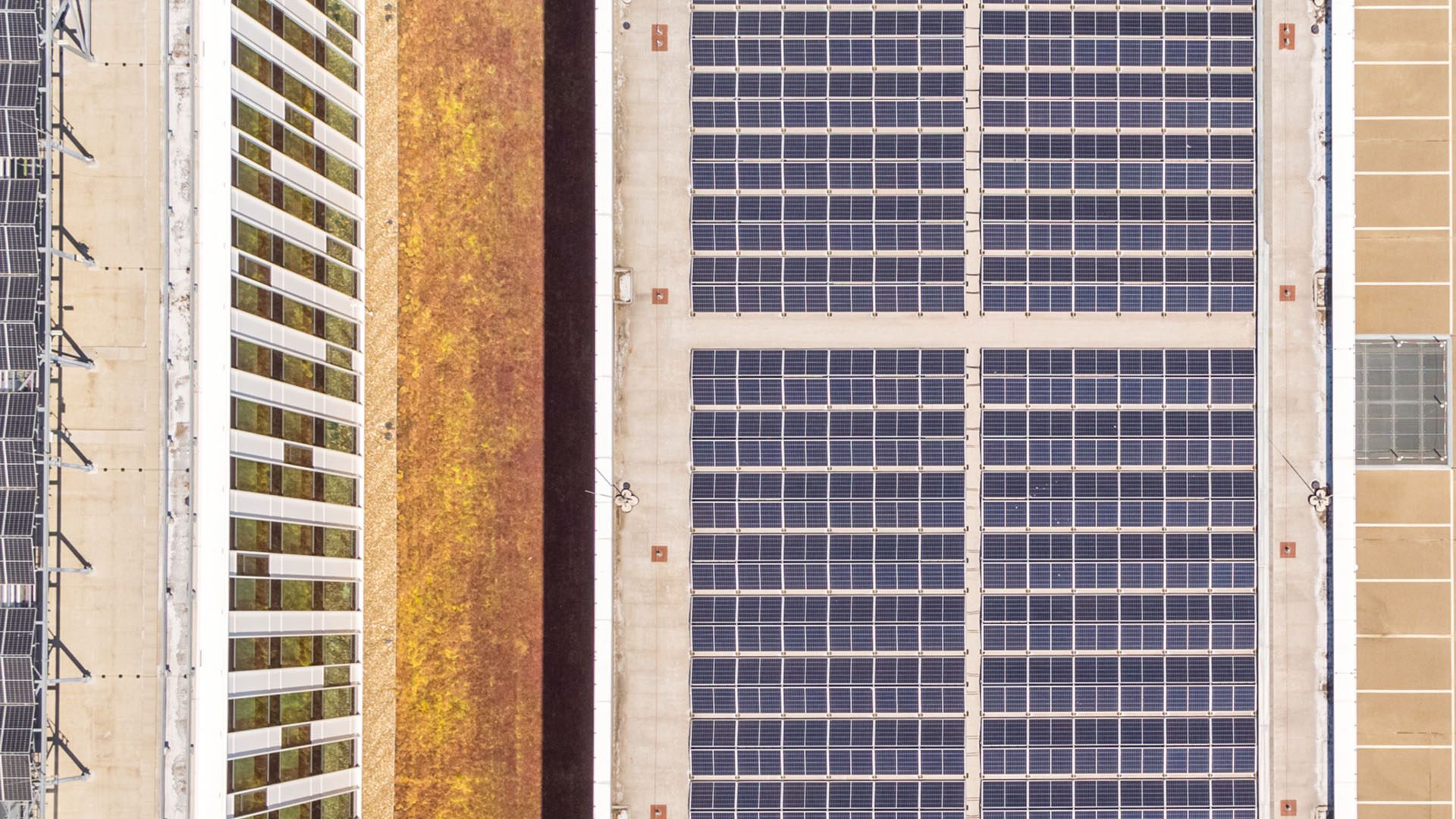
For the third year in a row, our net scope 1 and 2 CO2 emissions decreased – from 39.4 kt in 2021, and 38.1 kt in 2022 to 35.1 kt in 2023. In 2023, as part of our energy savings master plan, we executed key projects in the Netherlands, the US and Taiwan which resulted in around 16 TJ annual energy savings. Despite an increase in our electricity and gas consumption due to company growth of 30.2%, the share of renewable electricity remained comparable to 2022 at around 91.4%.
Scope 3 emissions – upstream and downstream
In 2023, our scope 3 emissions totalled 15.0 Mt. Our scope 3 intensity was 1,060 tonnes CO2e per € million gross profit (2022: 1,116 tonnes).
Scope 3 emissions from our own operations – business travel and commuting
Target: Net zero emissions by 2025
In 2023, taking into account Sustainable Aviation Fuel (SAF) purchases, our total scope 3 emissions due to business travel and commuting were 70 kt CO2e and 54 kt CO2e, respectively. Due to the increasing number of employees at all locations and the ending of COVID-19 travel restrictions, our emissions increased by 13% compared to 2022.
Scope 3 emissions from our supply chain, including logistics
Target: Net zero emissions by 2030
In 2023, total emissions due to upstream activities (excluding business travel and commuting) were 5,458 kt CO2e, an increase of 14% from 2022 in line with our increase in sales (since we use the spend-based approach for calculating emissions).
Scope 3 emissions from product use at our customers
Target: Net zero emissions by 2040
When we design new systems, we increasingly focus on reducing energy consumption and cost, while increasing performance and availability. The EUV light source is the priority of our current engineering efforts, because it accounts for the largest portion of an EUV system’s total energy consumption. Based on the latest measurements, the NXE:3600D systems energy use per exposed wafer pass was 7.7 kWh, an improvement on the last measurement taken in 2021 of 8.3 kWh. Our 2025 target is 5.1 kWh.
Circular economy
We aim to maximize the value of our systems, reusing resources as much as possible, while minimizing waste, decoupling our growth from resource consumption, and recycling materials.
Systems still active in the field
(of total sold in the past 30 years)
Reuse rate
(of parts returned from field and factory)
Total waste from operations
(excluding construction)
Recycling rate
(excluding construction)
Why it matters
Our circular economy approach is an essential part of decoupling our growth from the increasing consumption of resources.
Through our circular economy initiative, we aim to ensure materials retain and generate as much value as possible for us and for our partners in the ecosystem.
Our strategy is to prevent waste, extend the lifetime of our systems, reuse parts, packaging, goods and assets as much as possible, and recycle materials to close the loop and generate business value. A successful transition toward a circular economy means improved designs, operational resilience, reduced emissions and reduced costs.
2023 performance
We aim for zero waste from operations to landfill or incineration by 2030.
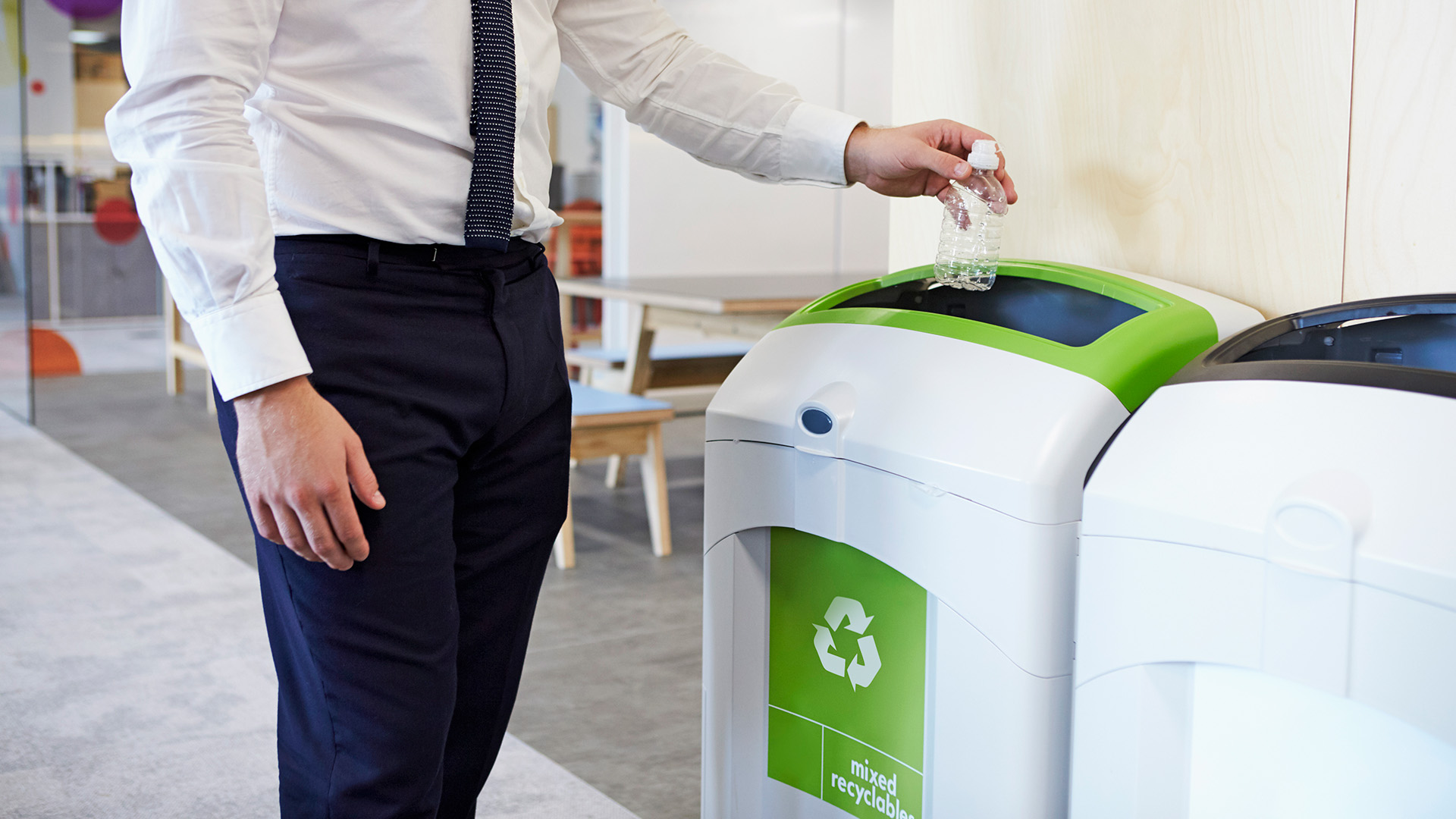
The amount of waste from operations normalized to revenue showed a decrease in 2023: 300 kg/€m, as compared to 315 kg/€m in 2022.
However, despite the impact of projects to reduce waste, the total amount of waste produced by our operations (including 653 tonnes of construction waste) increased by 29% compared to 2022. Total waste in 2023 was 8,932 tonnes, compared to 6,913 tonnes in 2022.
This increase is closely linked to ASML’s growth, with 7% of total waste related to construction, compared to 3% in 2022. During 2023, significant demolition activities were ongoing on our Veldhoven main campus.
Our target for 2025 is that more than 95% of systems sold in the past 30 years should still be active in the field. To date, we have refurbished and resold almost 570 lithography systems. As of the end of 2023, 95% (2022: 95%) of all systems sold in the past 30 years are still active in the field.
In 2023, our reuse rate of parts was 88%, up from 87% in 2022 and on target to achieve our goal of 95% by 2025.
We saw a significant decrease in the recycling rate, from 75% in 2022 to 55% in 2023. Our target is to achieve a recycling rate of 90% by 2025. We will continue to improve the quality of data next year and start initiatives with our waste companies to increase the recycling rate.
Explore full details and data
Social
Ensuring the success of our communities, ecosystems and supply chain
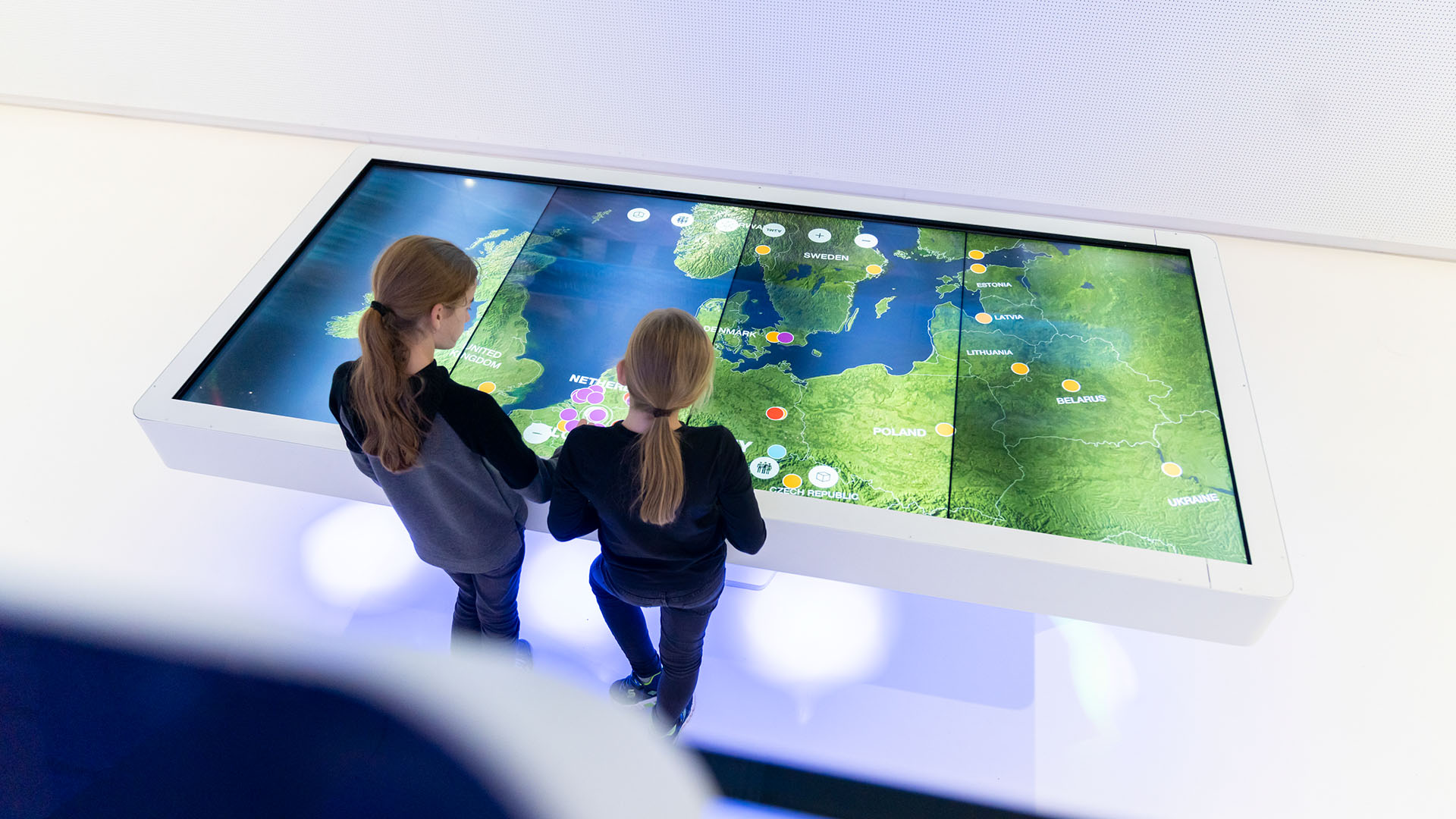
Download 2023 Annual Report (US GAAP)We aim to deliver responsible growth that benefits all our stakeholders – to provide an attractive workplace for all, build a responsible supply chain, fuel innovation in our ecosystem and be a valued partner to our communities.
Attractive workplace for all
We need to empower our employees to deliver our vision by ensuring they are proud to be part of ASML and engaged with our ambitions as a company.
Total employees (FTE)
Gender diversity
% inflow of women
Employee engagement score (%)
Against benchmark
Attrition rate
Why it matters
To maintain our fast pace of innovation and our leadership position for the long term, we need to attract and retain the best talent and create a working environment where people can develop their skills, feel respected and safe, be healthy and thrive.
Our people vision sets our ambition for the long term, supporting our values – challenge, collaborate and care – and what we stand for: We empower each other to thrive, fueling our growth, happiness and business success.
Everyone throughout the organization has an important role to play in realizing this vision. We work hard to create an environment and tools that support the collaboration, knowledge sharing and autonomy of our diverse and interdependent teams.
2023 performance
The growth of ASML in recent years has been accompanied by a large increase in our workforce.

In 2023, our workforce grew to 42,416 FTE. We hired 4,129 new payroll employees, compared with 7,130 in 2022, representing a new hires rate of 11%, down from 21% last year.
We increased the percentage of new women hires to 27% in 2023, up by 3 percentage points over 2022. Current representation of women at leadership level is 11%, while our ambition is to reach 12% by 2024.
Our 2023 we@ASML employee engagement survey reported good results and a high participation rate of 86%. The engagement survey score was 80.3% – an increase of 2.4 percentage points on the score from 2022. Against the 2025 target, we already score within the 2% range of the top 25% performing companies.
Our overall attrition rate in 2023 was 3.6%, down from 6.0% in 2022. Our attrition rate is well within our target range and below the industry average in every country in which we operate.
Responsible supply chain
We depend on our suppliers to help us deliver our innovations. They are critical to our value chain and ambition to be a sustainable leader in the semiconductor industry.
Total sourcing spend
Reported for non-financial (GRI) reporting purposes
Total number of suppliers
Supplier spend covered by commitment to sustainability
Why it matters
A responsible supply chain is essential to deliver the systems and new technology that can provide answers to the challenges faced by society.
ASML’s business success centers on long-term relationships and close cooperation with our suppliers and partners. The performance and resilience of our supply chain are critical to our ability to respond to customer demand.
We work with our world-class supplier network to ensure our sustainability principles are upheld throughout the value chain. We place high importance on supplier performance management, supply chain risk management and playing a full part in a responsible supply chain.
2023 performance
In 2023, our total sourcing spend was €15.5 billion, with around 5,100 suppliers in our total supplier base. Product-related suppliers accounted for 69% of our procurement volume.
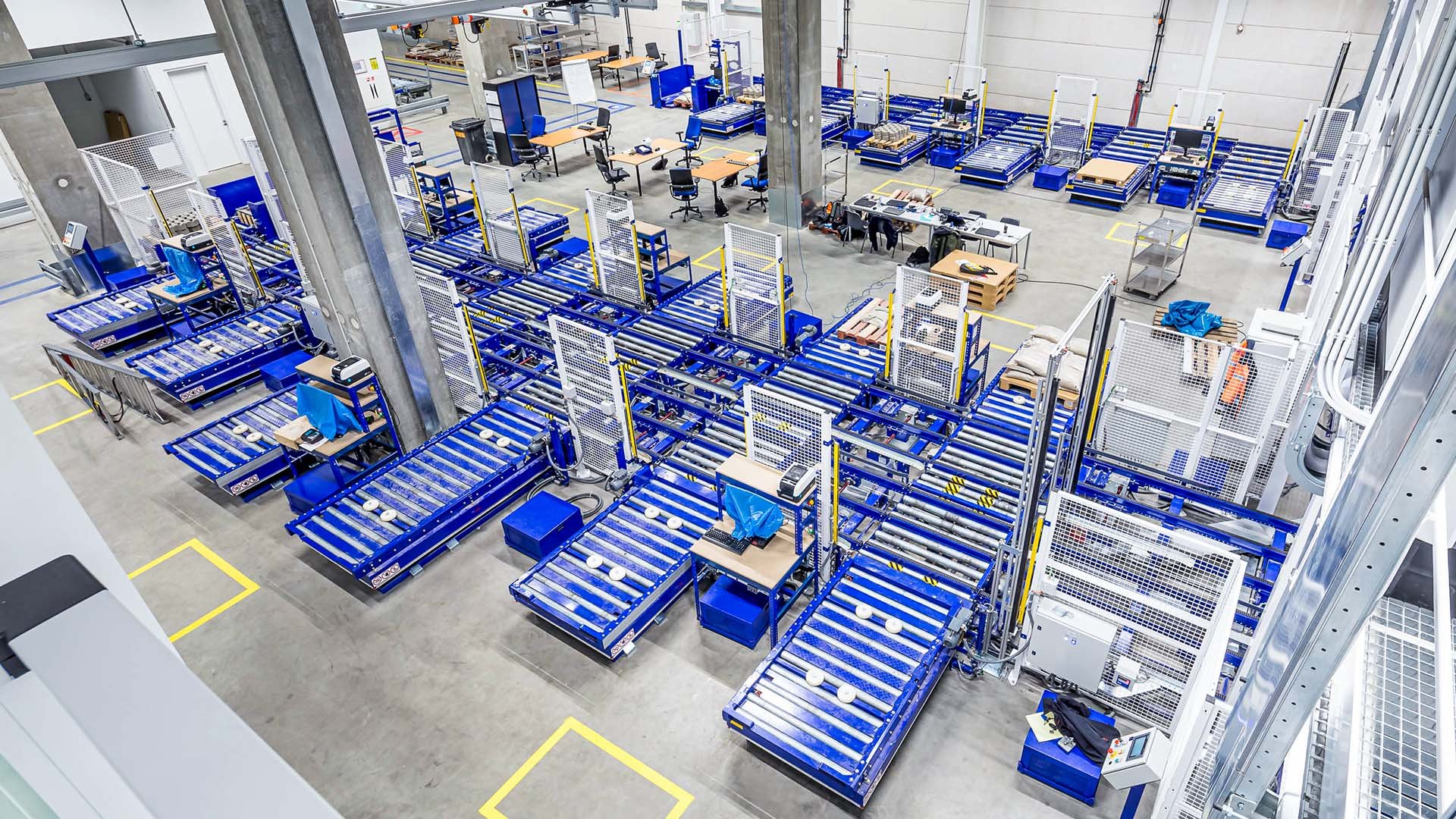
By the end of 2023, 57% of the top 60 suppliers in scope (based on spend) had signed a Letter of Intent (LOI) acknowledging their joint responsibility and commitment to reducing our collective environmental footprint, in particular scope 3 CO2e emissions and waste contributing to our reuse ambitions (target for 2025: 80%).
We asked a total of 128 suppliers to complete the detailed Responsible Business Alliance self-assessment questionnaire (RBA SAQ). By the end of 2023, 90% had completed the questionnaire (93% in 2022).
Innovation ecosystem
We never innovate in isolation because developing technology in collaboration with partners across the innovation ecosystem maximizes our collective impact.
R&D investments
R&D spend as % growth
(from 2019 base year)
Contribution to EU research projects
Value startups and scaleups in-kind support
Why it matters
Our experts at ASML are architects and integrators who work together and in collaboration with external partners across the innovation ecosystem to push the boundaries of what we can achieve.
Pooling our expertise and resources enables us to build a stronger knowledge network and create new technological solutions that benefit the whole of society.
We fuel the innovation pipeline by collaborating with universities, research and technology institutes and other high-tech companies while inspiring the next generation of engineers. We also foster collaboration with R&D partners through European public-private partnerships.
Additionally, we aim to help develop a sustainable innovation ecosystem by supporting regional deep-tech scaleups and startups with an ambition to contribute to a better, more sustainable world.
2023 performance
Our R&D investments in 2023 amounted to €4.0 billion, equivalent to a 102% increase on the 2019 investment level and up from €3.3 billion in 2022.
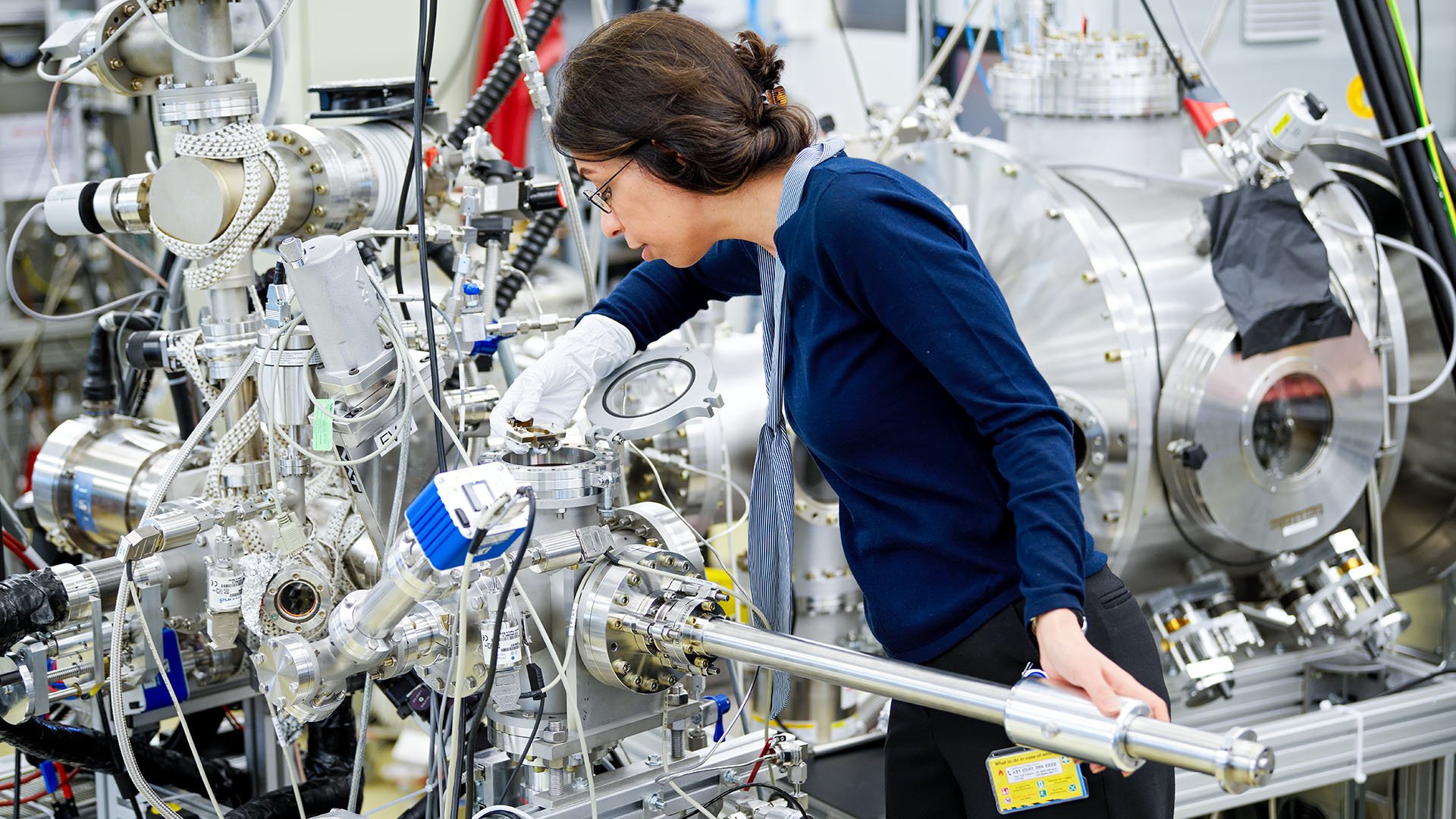
Our contribution to R&D across EU public-private partnerships in 2023 was €16.4 million. The projects are aimed at advancing semiconductor technology, with a continuous drive to improve performance and energy efficiency.
In 2023, we continued to support high-tech startups and scaleups, providing 4,640 hours of in-kind support, totaling €1.2 million. In addition to last year's commitment of over €14 million, we committed an additional €6 million in financial support in 2023. Of this €20 million commitment, €2.9 million was paid out during the year. To date, over 20 new deep-tech ventures have completed our startup and scaleup support program.
Valued partner in our communities
We play an active role in the communities where we operate, recognizing that when the community thrives, we thrive.
Amount invested per employee
Volunteer hours – community involvement
Volunteer hours – technology promotion
Total cost of volunteering
Why it matters
Our success and growth have a significant impact on our neighbors, especially those in the vicinity of our larger sites.
Our company and network of suppliers and partners generate a wealth of jobs and social activity in these locations. But while our high-tech cluster is a valuable driver of employment and welfare, local communities can experience pressure on housing and essential services, such as schools, as a result of ASML’s growth.
We value the support and contribution of the communities we are part of, and we are committed to making a positive contribution to and being recognized as a valued member of the community. Our aim is that both ASML and the community can benefit from each other’s presence and support each other’s future development.
2023 performance
The total amount of cash commitments and in-kind support that ASML spent on charities, community engagement and organizations in 2023 was approximately €15.4 million which equates to €319 per employee against a target of €2,000 per employee for 2025. Through employee contribution matching, we contributed €94 per employee, against our target of contributing €500 per employee by 2025.

Our Community Partnership Program was established in January 2023 and has been ramping up throughout the year.
Employees contributed a total of 25,650 volunteering hours to community involvement (up from 13,645 in 2022) and 4,800 hours to technology promotion (4,736 in 2022). We saw an increase from prior years as a result of the rapid scaling of our science, engineering, technology and math (STEM) support for primary schools, which includes one technology lesson module given by a trained ASML employee.
Explore full details and data
Governance
Ensuring the highest standards of integrity
Download 2023 Annual Report (US GAAP)We commit to act on our responsibilities and anchor them across our entire business through integrated governance, engaged stakeholders and transparent reporting.
ESG integrated governance
Integrated governance ensures a responsible ESG sustainability approach that considers the needs of our stakeholders.
Why it matters
We want to feel proud about our business decisions and ensure our stakeholders recognize the crucial role integrity and honesty play in our work.
ESG sustainability is important for our business and stakeholders. We integrate ESG into our everyday decision making, underpinned by responsible business conduct and risk management.
We rely on the skills, commitment and behavior of our employees in line with our values to build trust and respect – underpinning our continued success, license to operate and positive contribution to society.
2023 performance
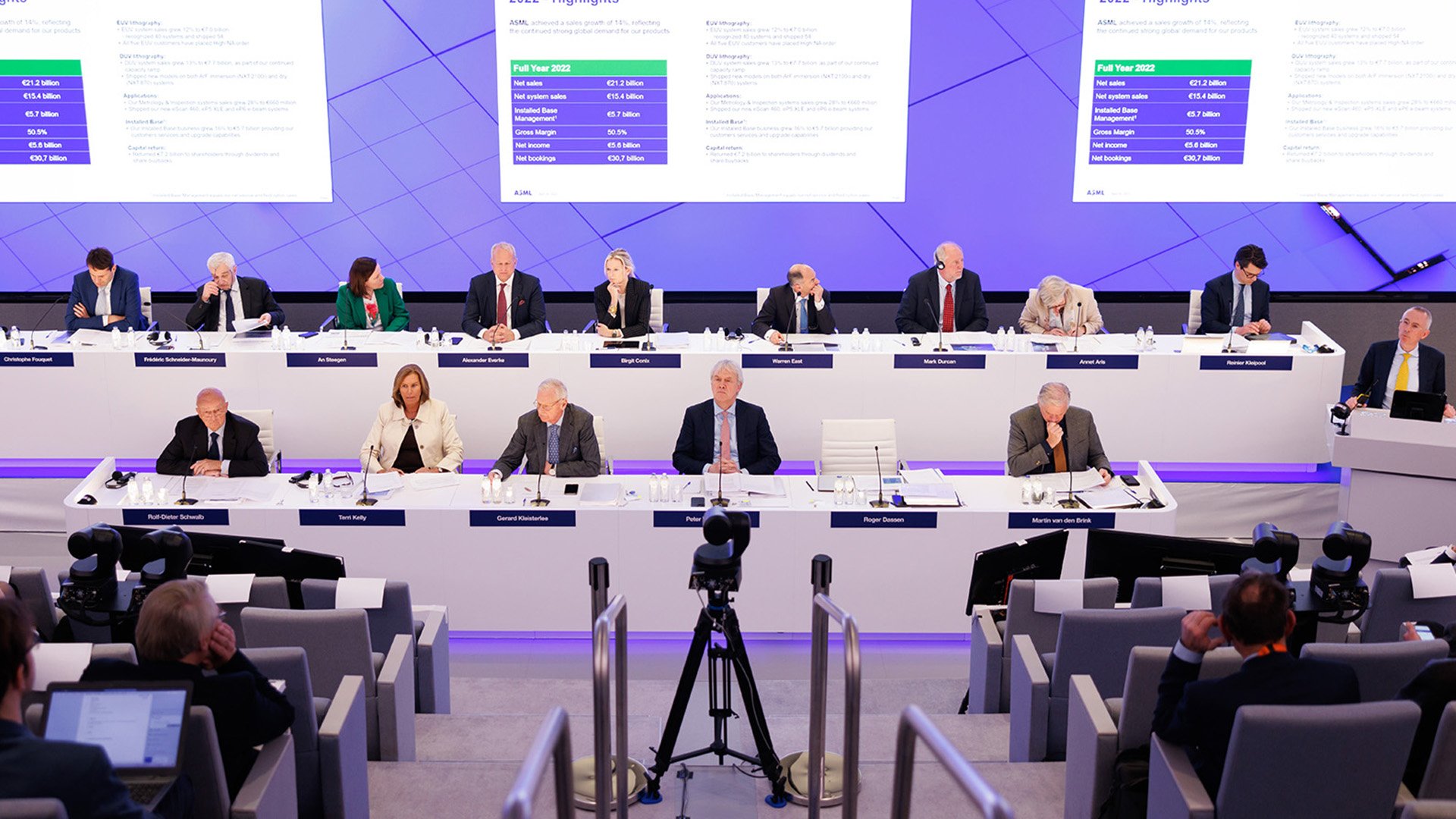
Our Code of Conduct sets clear expectations and guiding principles for the way we conduct business. By the end of 2023, 87% of employees had completed online training on it.

In 2023, we continued to extend our ethics training curriculum, introducing monthly themes such as managing paid consultancy requests, speaking up, anti-fraud, and anti-bribery and anti-corruption.
Through our Speak Up program, we encourage everyone – including our own employees and external business partners, suppliers, contractors and others – to express concerns regarding possible violations of our Code, company policies, values or the law.
During 2023, we received 613 Speak Up reports compared to 414 in 2022. Given the growth in our workforce and our efforts to encourage people to report any concerns, this increase is a positive result which signals a healthy speak-up culture within ASML. The number of reports per 100 employees increased to 1.5 (from 1.1 in 2022).
We received no grievances about breaches of human rights in 2023.
Engaged stakeholders
We depend on strong, sustainable relationships with stakeholders across the value chain. We aim to create long-term sustainable value for all our stakeholders and benefit from their input.
Why it matters
We engage with our stakeholders on an ongoing basis, working hard to understand how we impact them and how we can best meet their needs.
This approach plays a key role in our ability to build stakeholder relationships based on mutual trust. Our stakeholders – customers, employees, suppliers, shareholders, and society – can affect or be affected by our business, and we embrace continuous open dialogue and knowledge sharing for the benefit of all parties.
2023 performance
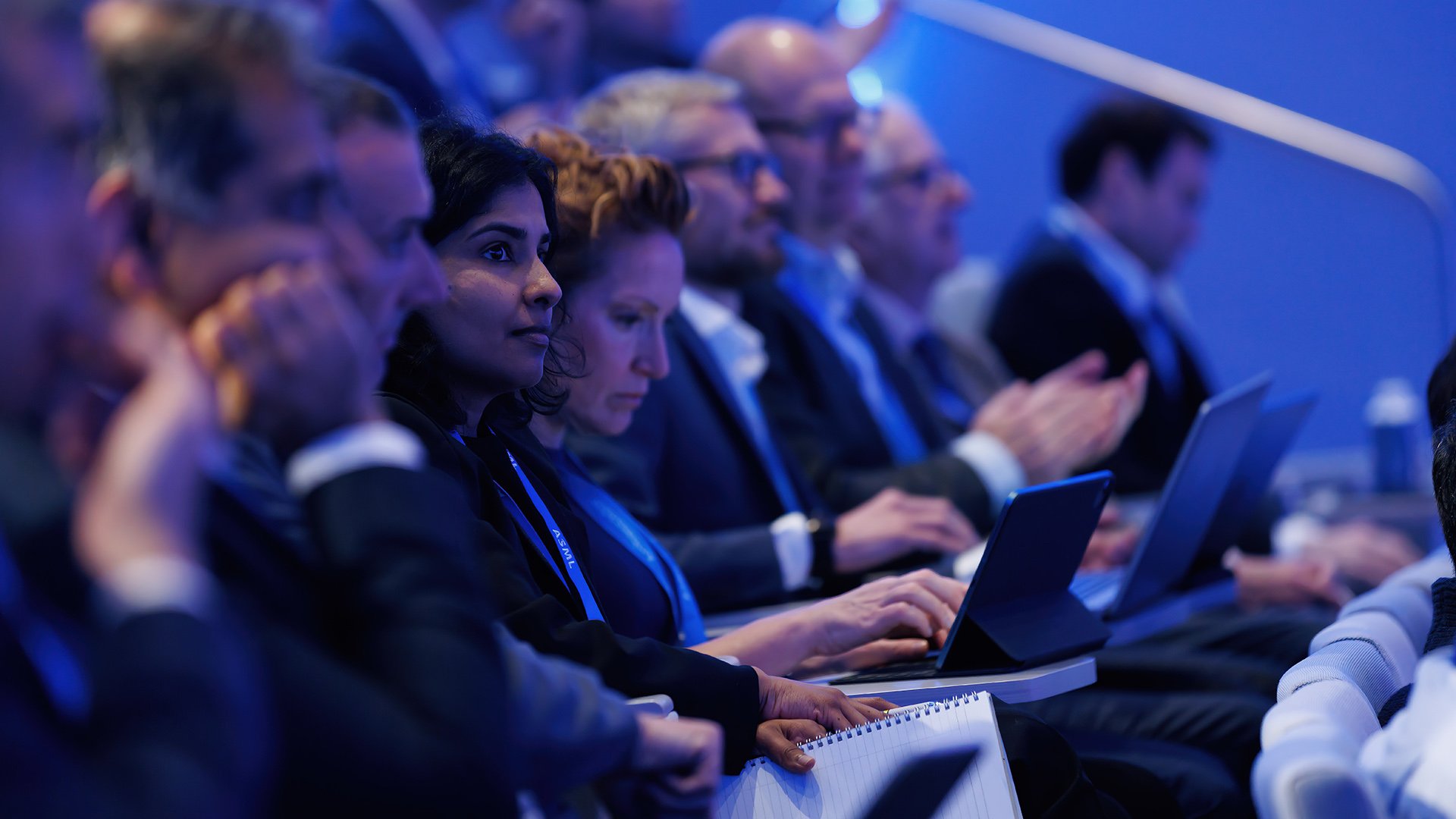
In 2023, we continued to engage with all our stakeholder groups, including the following activities:
Customers: Regular meetings including those related to technology roadmaps and operational activities; an annual customer feedback survey; and a Voice of the Customer program for employees.
Employees: Employee engagement survey, Speak Up service, unions and Works Council; employee networks and ambassadors.
Suppliers: Annual Suppliers’ Day; supplier account teams; site visits; newsletters; audits; Speak Up service.
Shareholders: Quarterly updates; annual general meeting (AGM); investor days; investor conferences and roadshows.
Society: We engage with organizations, communities and other bodies in society on a wide range of issues – from reducing our environmental footprint to regulatory matters and fulfilling our commitment to playing an active role in the communities where we operate.
Transparent reporting
To build vital relationships of trust with our stakeholders, we show our commitment to act on our responsibilities and progress toward achieving our goals in sustainable development via transparent reporting.
Why it matters
Upcoming regulations, especially the EU’s Corporate Sustainability Reporting Directive (CSRD), require companies to be more open with stakeholders and provide standardized information.
Being transparent about our progress and performance allows stakeholders to fairly assess how we are performing on our strategy execution and how we compare with other companies.
Reporting in a balanced way
Reporting in a balanced way improves the credibility of our disclosures and also helps to drive our progress by identifying areas of best practice and areas for improvement. It also helps us to improve our internal reporting and make informed decisions.

While we already report extensively on our progress, there are many gaps we must fill to meet CSRD requirements. We aim to be ready for CSRD for the 2024 reporting year. This will involve many parties inside and outside ASML in order to expand the scope of our reporting and improve the quality of the data.
ASML is committed to building a fairer, more sustainable society through social and economic cohesion, sustainable growth and long-term prosperity. Taxation is a means to that end, as it supports the development of the countries in which we operate. For this reason, openness and transparency about our approach to tax is an important aspect of our reporting. Read more in our Tax Report 2023 .
Explore full details and data