Wilton at a glance
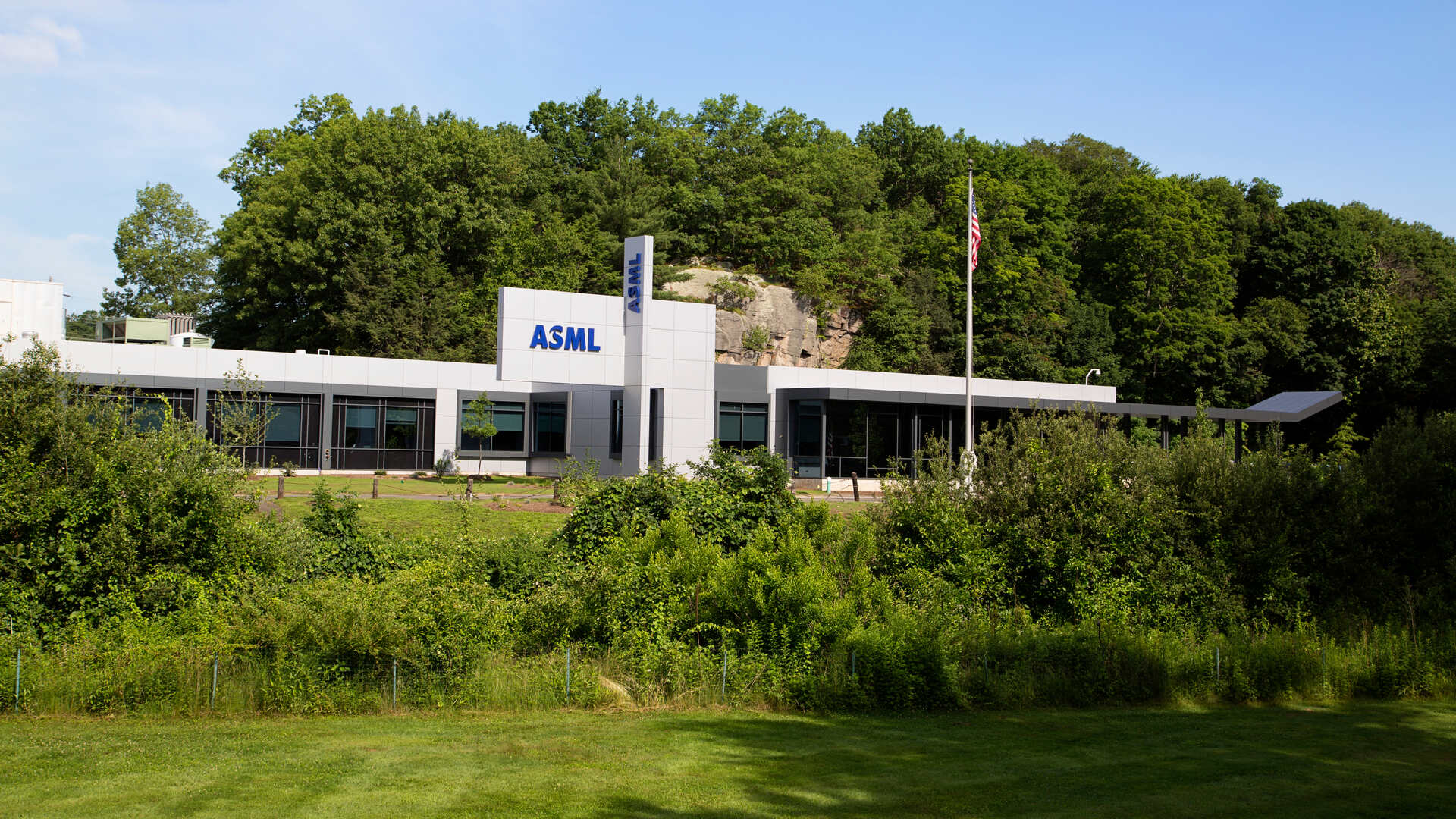
With over 3,000 employees, ASML Wilton is an important competency center, specializing in critical technologies that advance the performance of our lithography and metrology systems. It’s also our only in-house optical fabrication site.
Year established
Year acquired
Employees
2022 annual figures
Average employee tenure
2022 annual figures
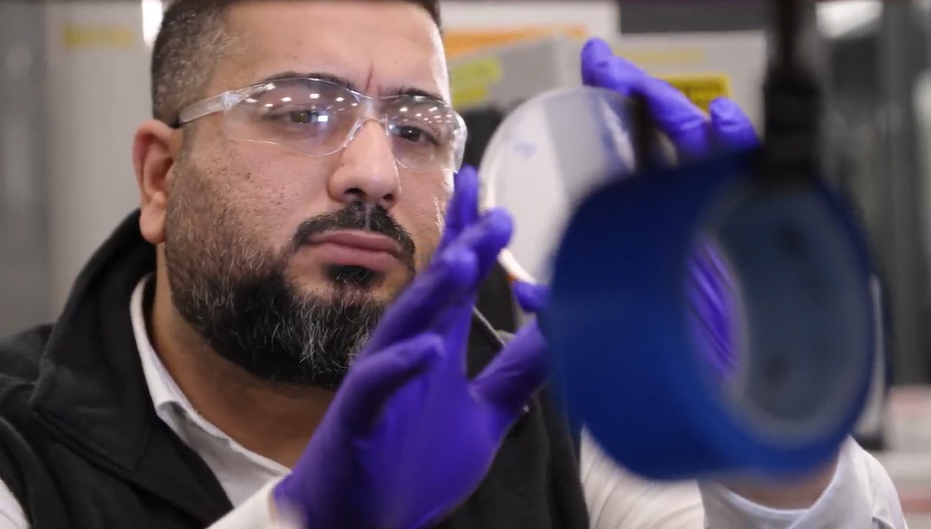
Specialties
Find your passion at ASML Wilton
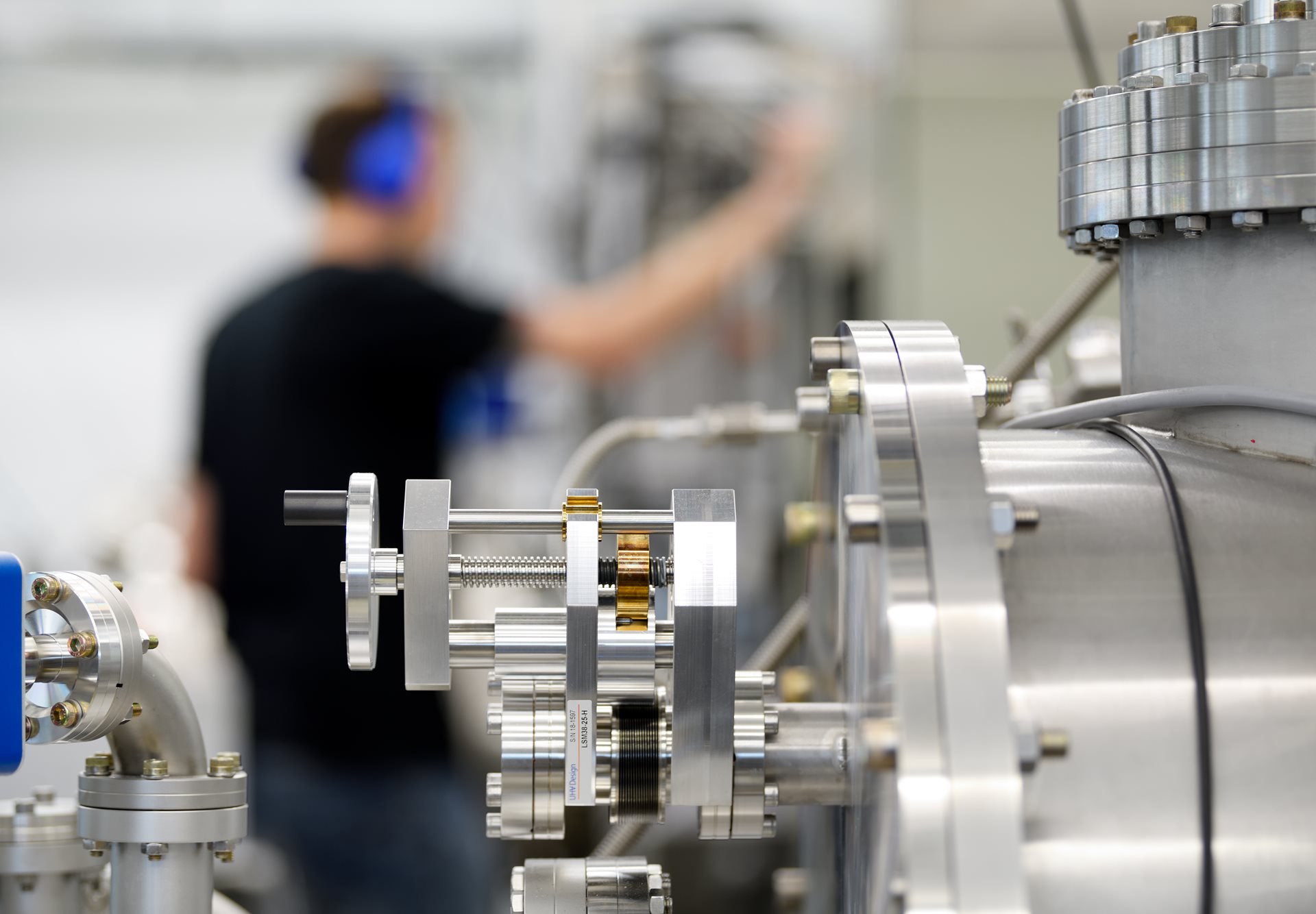
Mechanical engineering
Read more
Design, build and test exceptionally high-performance systems as a mechanical engineer at ASML.

Electrical engineering
Read more
Work at the leading edge of electrical innovation. Explore the opportunities for electrical engineers at ASML.
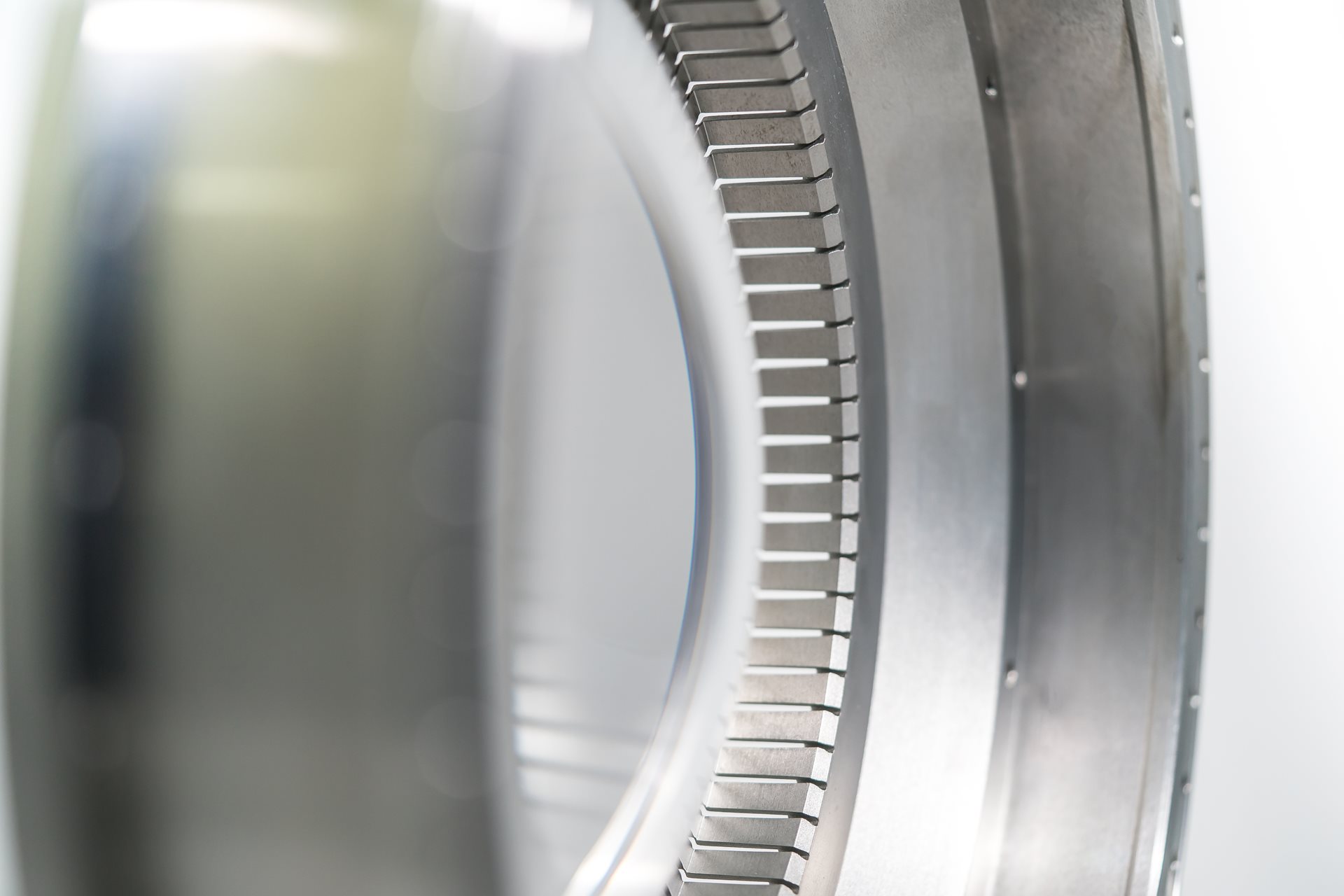
Optics
Read more
If you enjoy working at or beyond the edge of what’s possible in optics, then ASML is your ideal environment.

Software engineering
Read more
Find out what it’s like working as a computer scientist or software developer at ASML working in C++, C#, Python or Java.
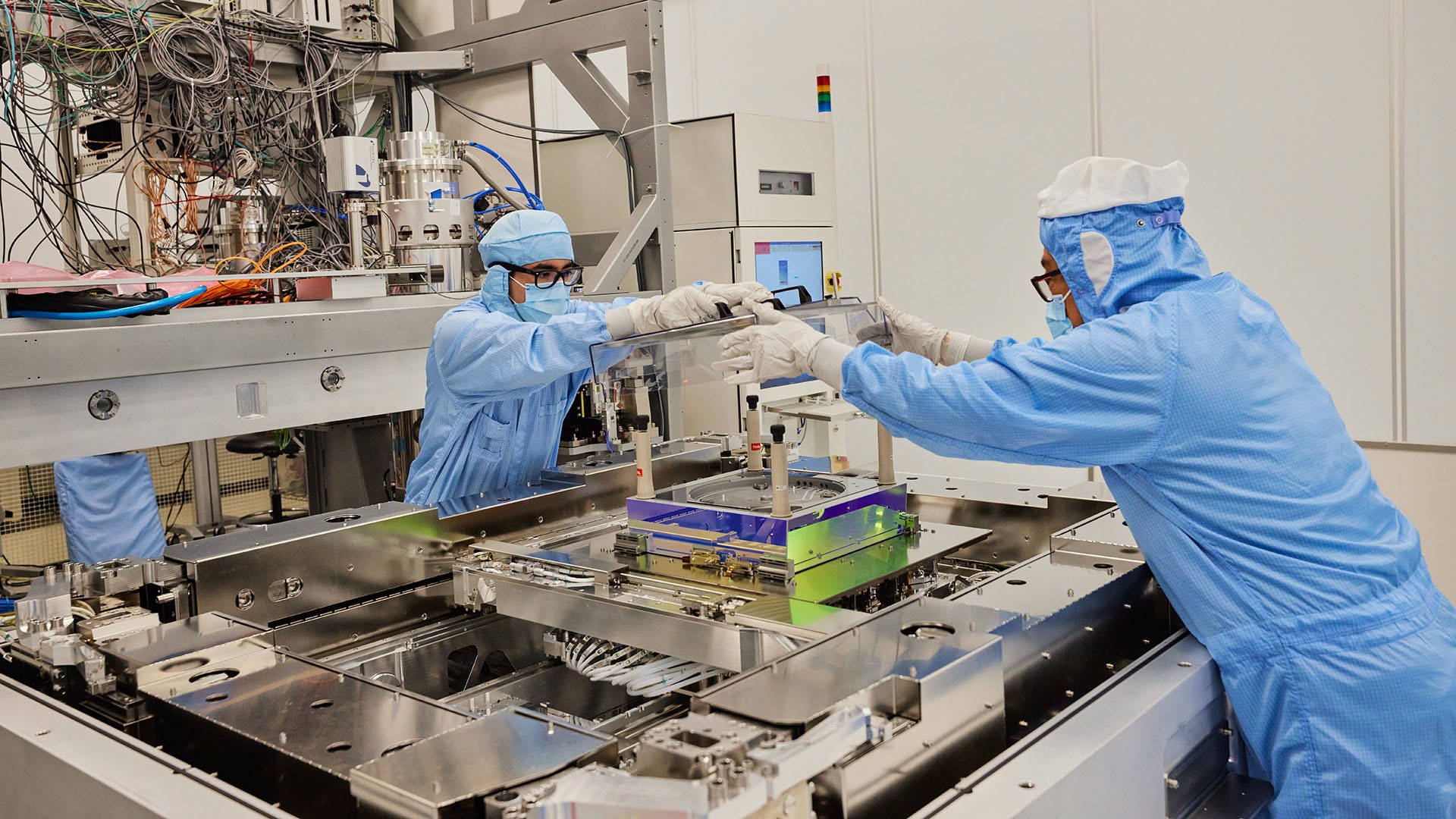
Manufacturing
Read more
From high-school graduates to masters-level candidates, ASML’s Wilton Factory is hiring.

Logistics & supply chain
Read more
Discover jobs in supply chain management and logistics at ASML and start planning for your future.
Our technology in Wilton
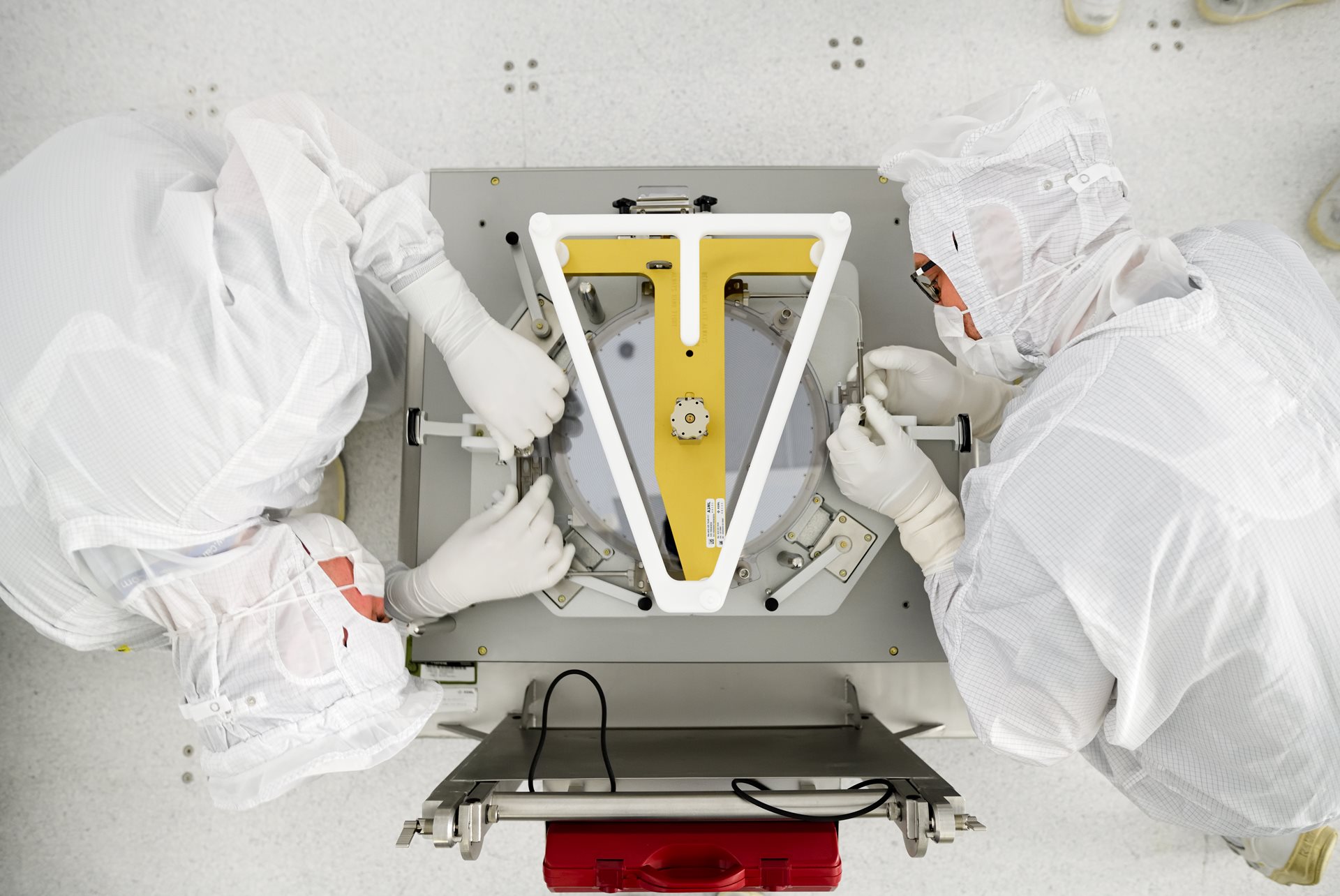
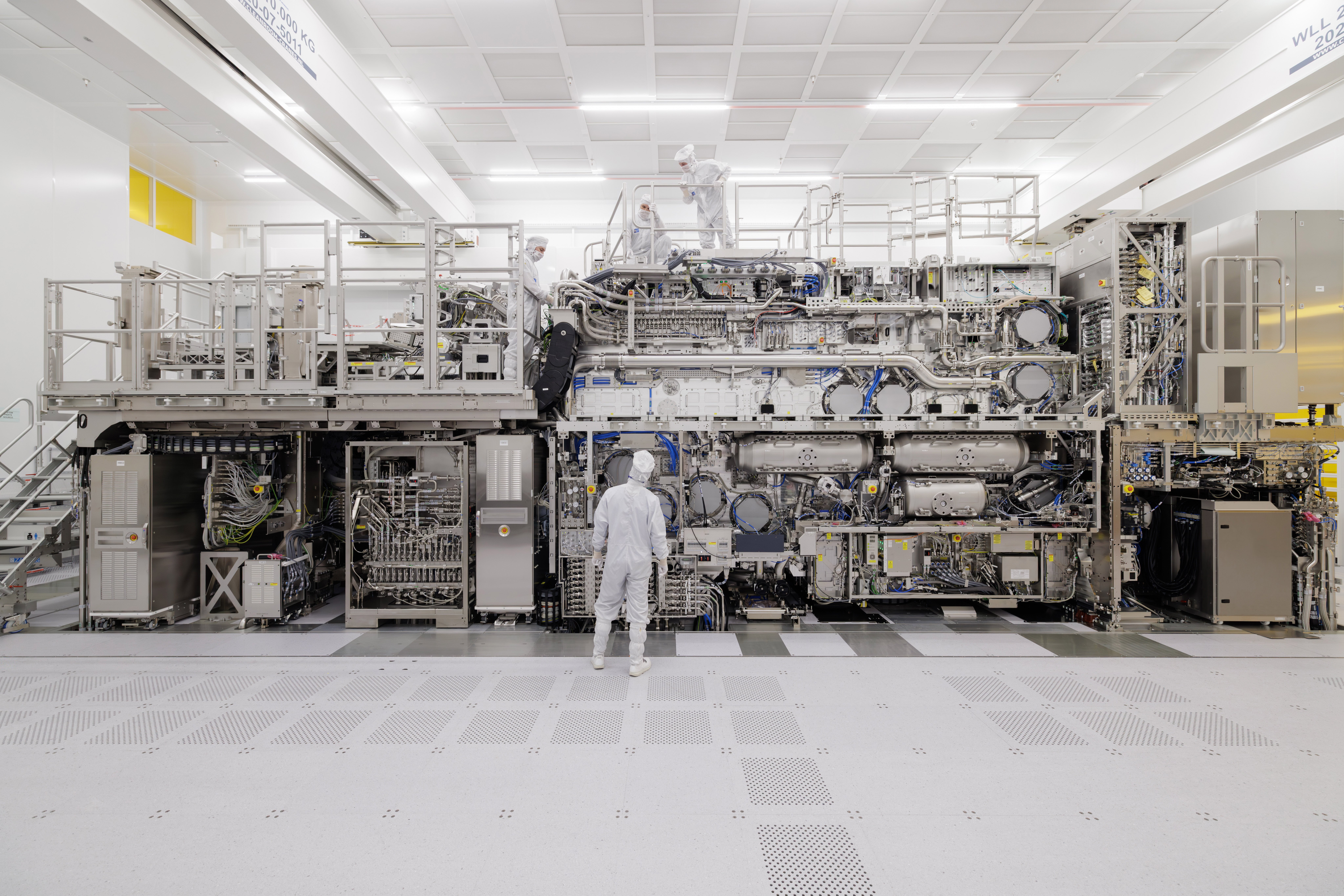
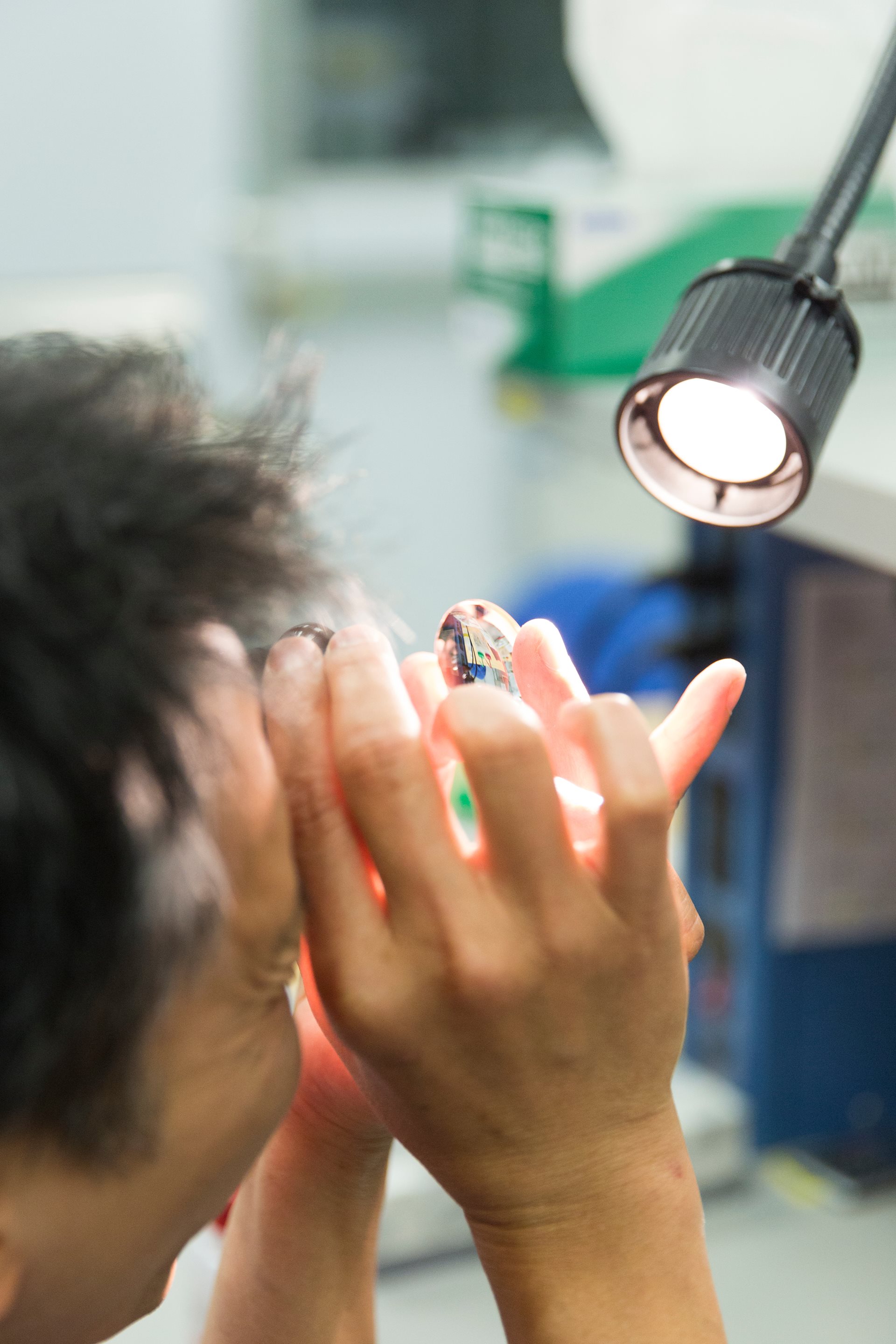
In Wilton, we work on mechatronics modules, optics, and optical sensors and measurement systems that are critical to both our lithography machines and our metrology and inspection systems.
Read more
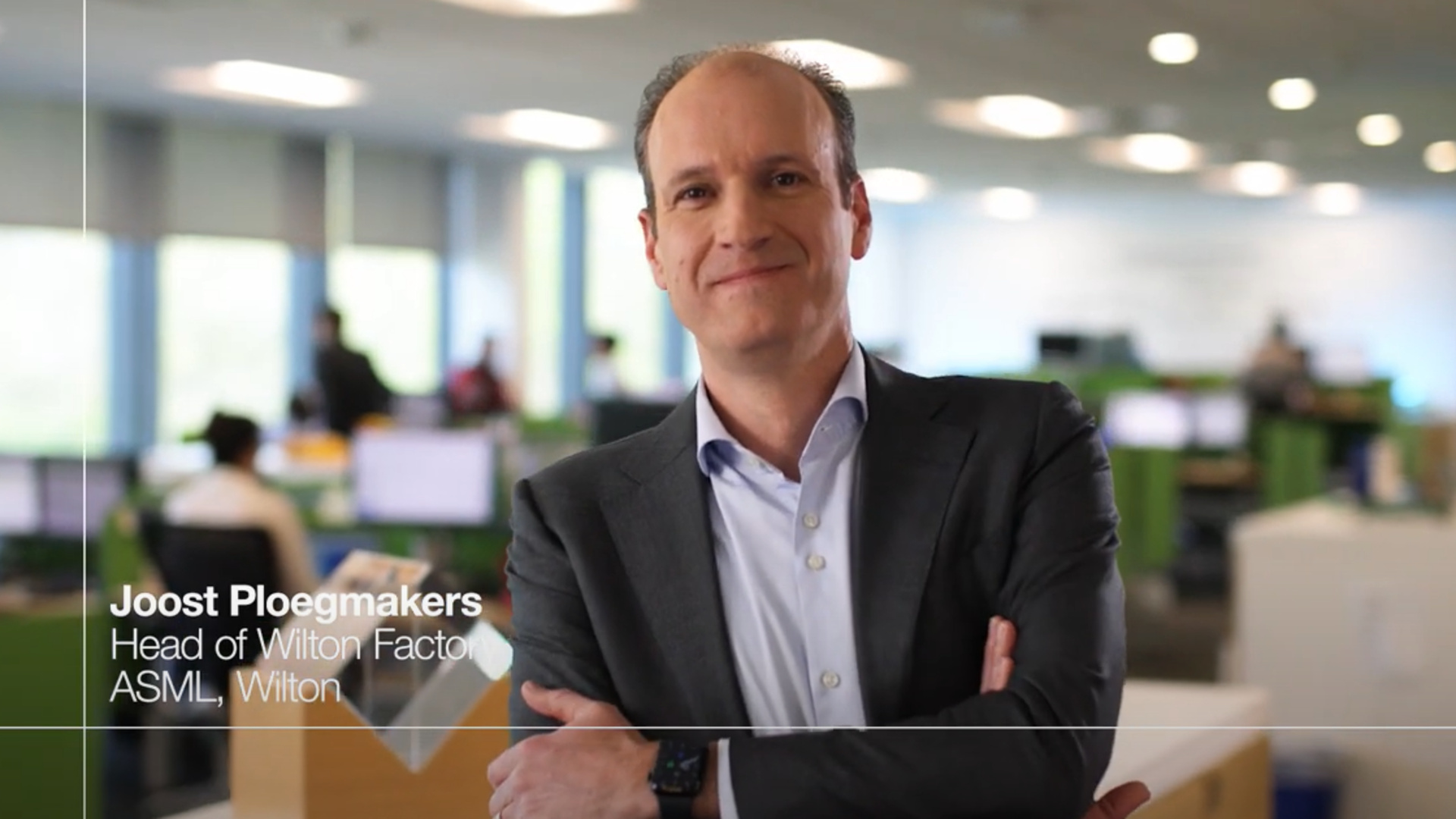
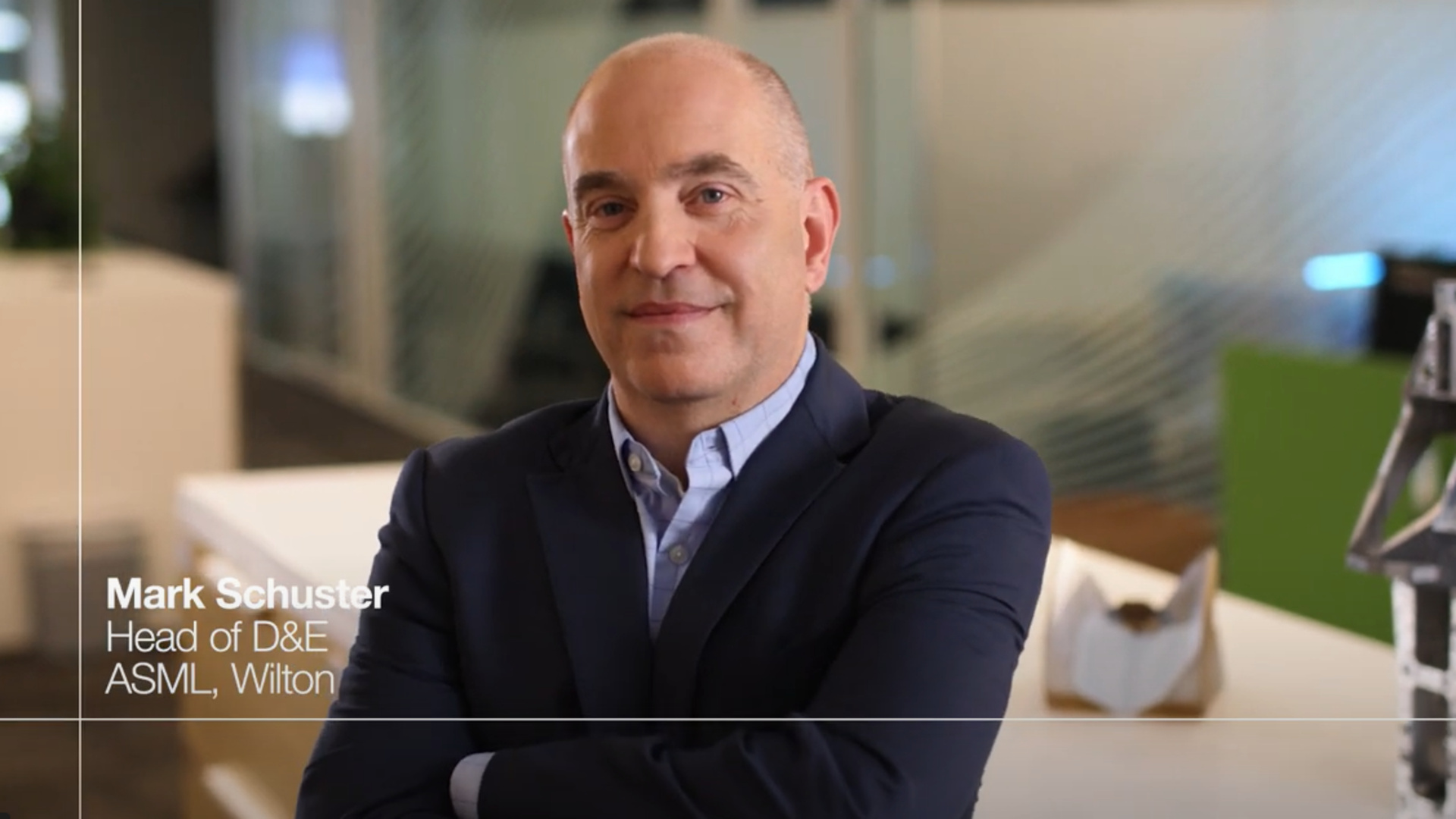
Working and living in Wilton
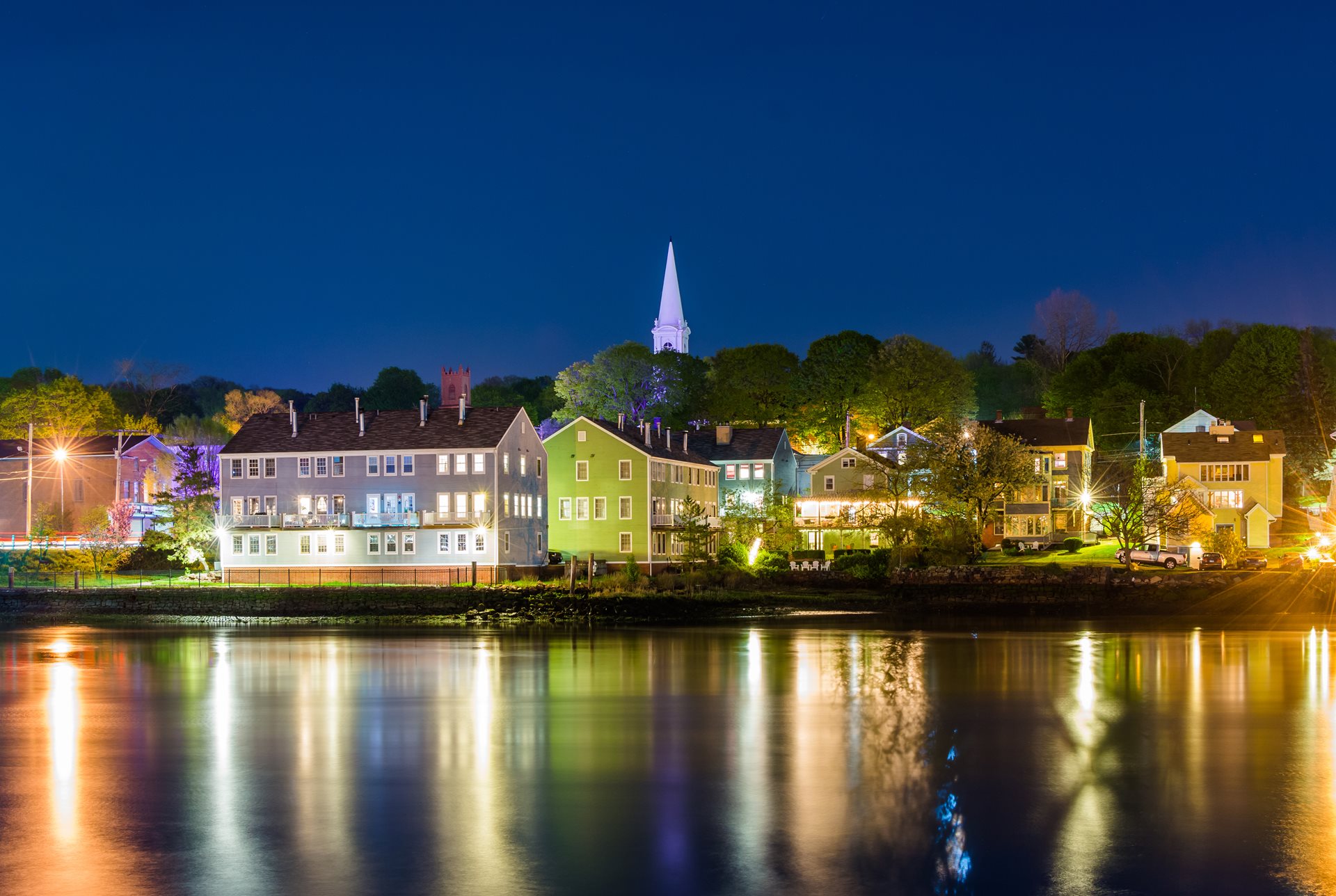
Located in southwestern Connecticut, Wilton boasts a charming environment of historic buildings, beautiful wooded areas and serene coastlines. The region offers upscale residential communities and amenities and is also near thriving global corporations and metropolitan centers.
Read more
Seven things you didn’t know about ASML Wilton
From WWII panoramic reconnaissance cameras to High-NA extreme UV lithography, learn about Wilton’s history and how it has transformed the semiconductor industry.
ASML's Glassdoor rating

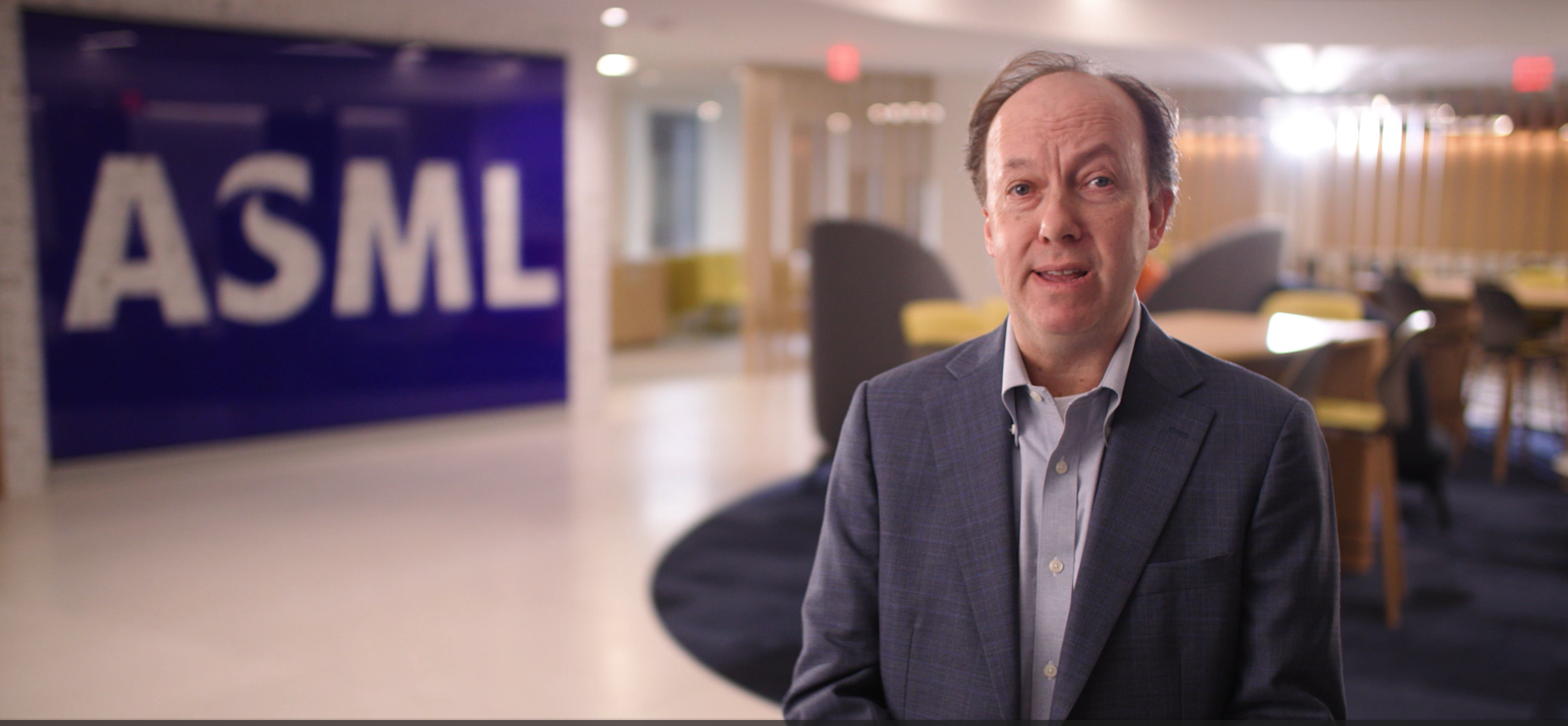
Rick Lewis, Head of Manufacturing Development & Technology, Wilton Factory
"We have diverse cross-sector of many of the functions of ASML between, engineering and research, manufacturing, optical fabrication and procurement and all the support functions of, of ASML.”
Saumya Sharma, Industrial strategy manager
"Wilton welcomes mechanical engineers, electrical engineers, software engineers, people with supply chain experience, and people with hands on skills for optics, manufacturing as well as assembly.”
Trevor Darling, Manufacturing manager - EUV
"As a manager in Wilton, I support collaboration across not only my teams, but the entire natural team and cross-sector groups through active engagement of individuals, purposefully pulling people in with the right mindsets and knowledge bases to help contribute to, to the discussion at hand.”
Natasha Davis, NPI Technical project lead
“I chose to work at ASML because this is what I call the NFL of the optics industry. We work on the most difficult to manufacture lenses. It is the highest precision work. And I wanted to work on the most challenging things that I could.”
Browse jobs in Wilton
Discover what ASML has to offer in Connecticut.
Want to be alerted for new jobs?
Create job alertVisit ASML Wilton
ASML Wilton
77 Danbury Road
Wilton, Connecticut 06897
United States
+1 203 761 4000