Silicon Valley at a glance
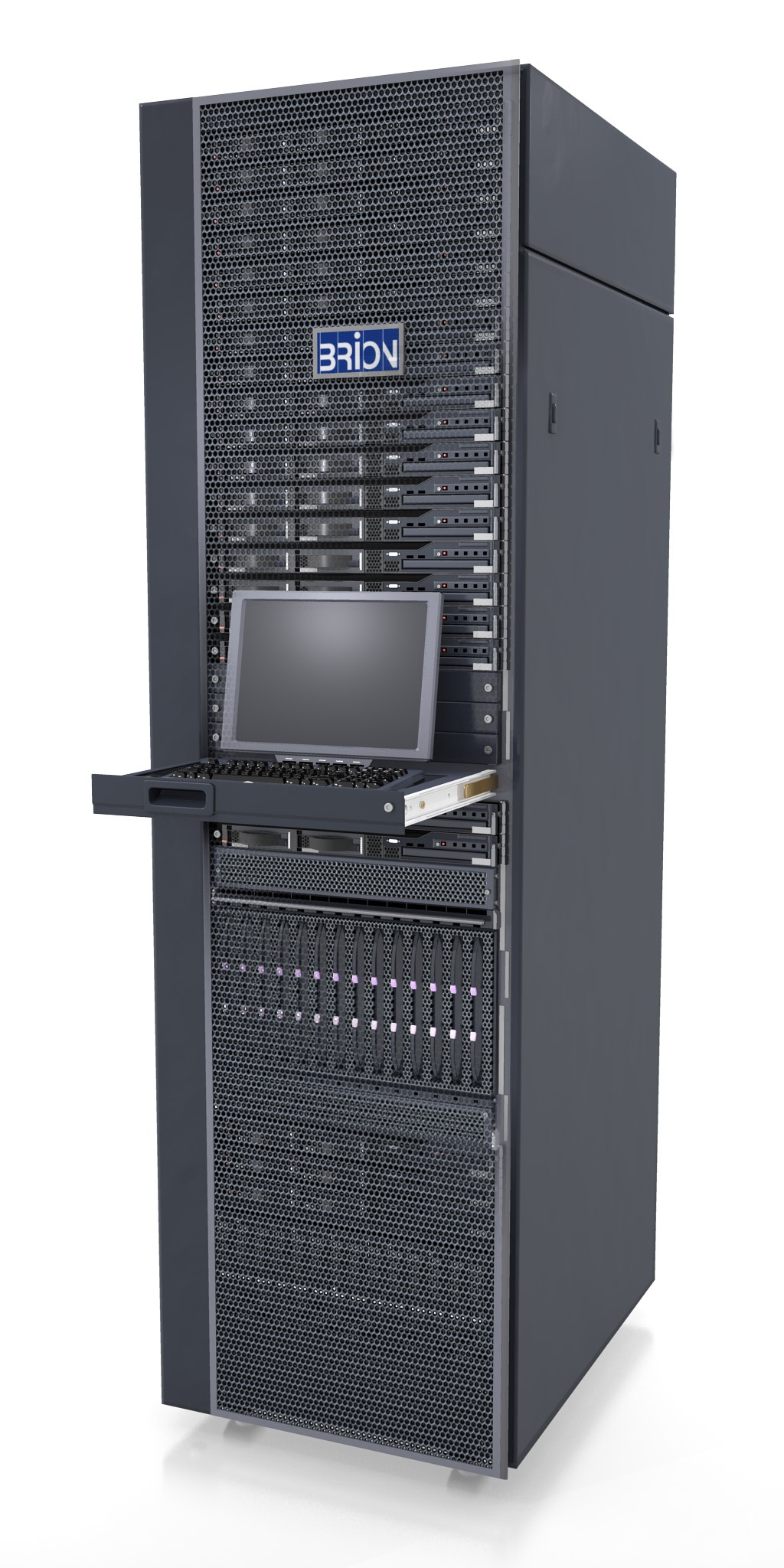
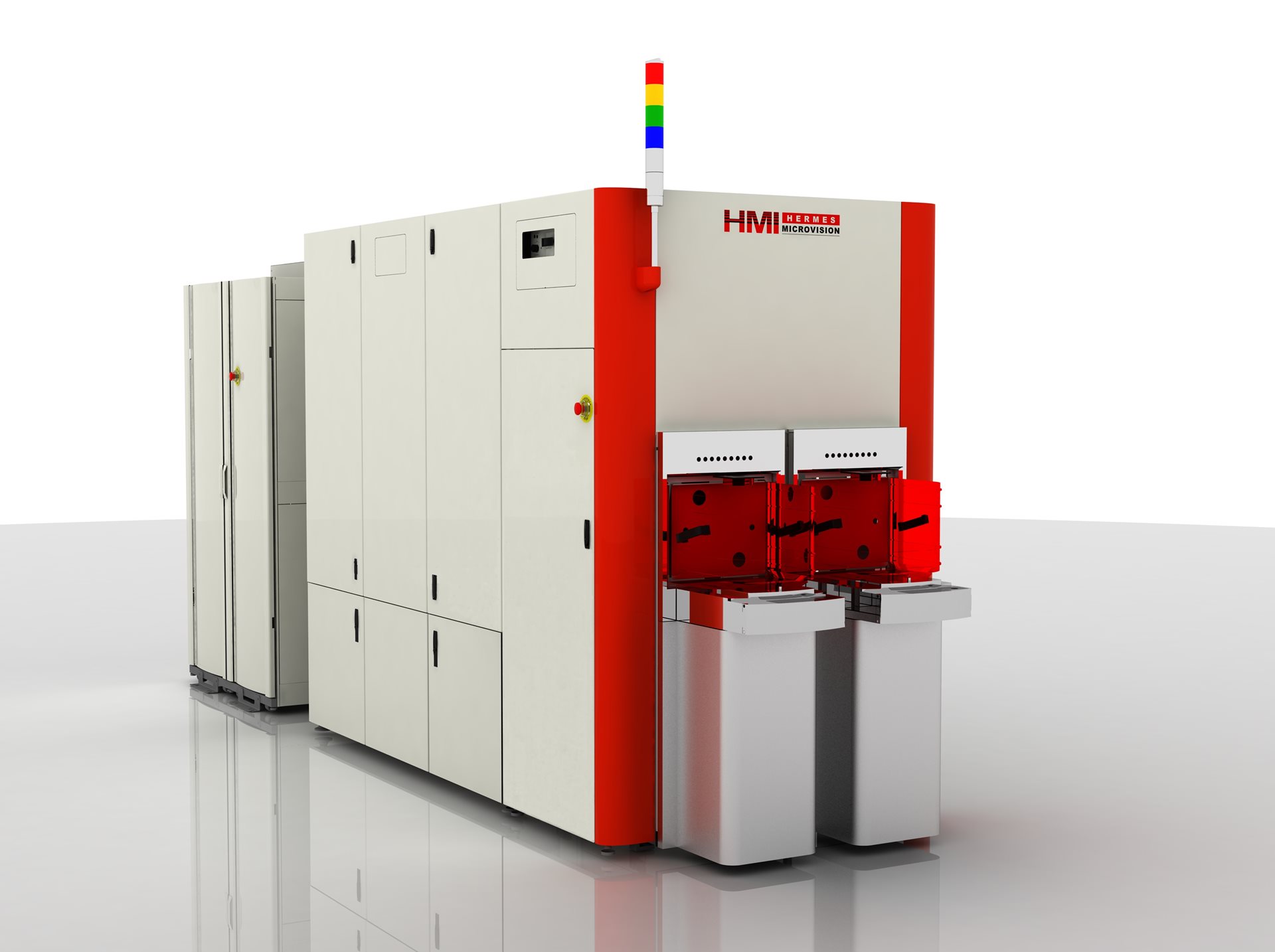
ASML Silicon Valley, located in San Jose, develops sophisticated software and metrology solutions for chipmakers, enabling ASML’s holistic lithography approach.
Year acquired Brion
Year acquired HMI
Employees
2022 annual figures
Average employee tenure
2022 annual figures
Specialties
Find your passion at ASML Silicon Valley
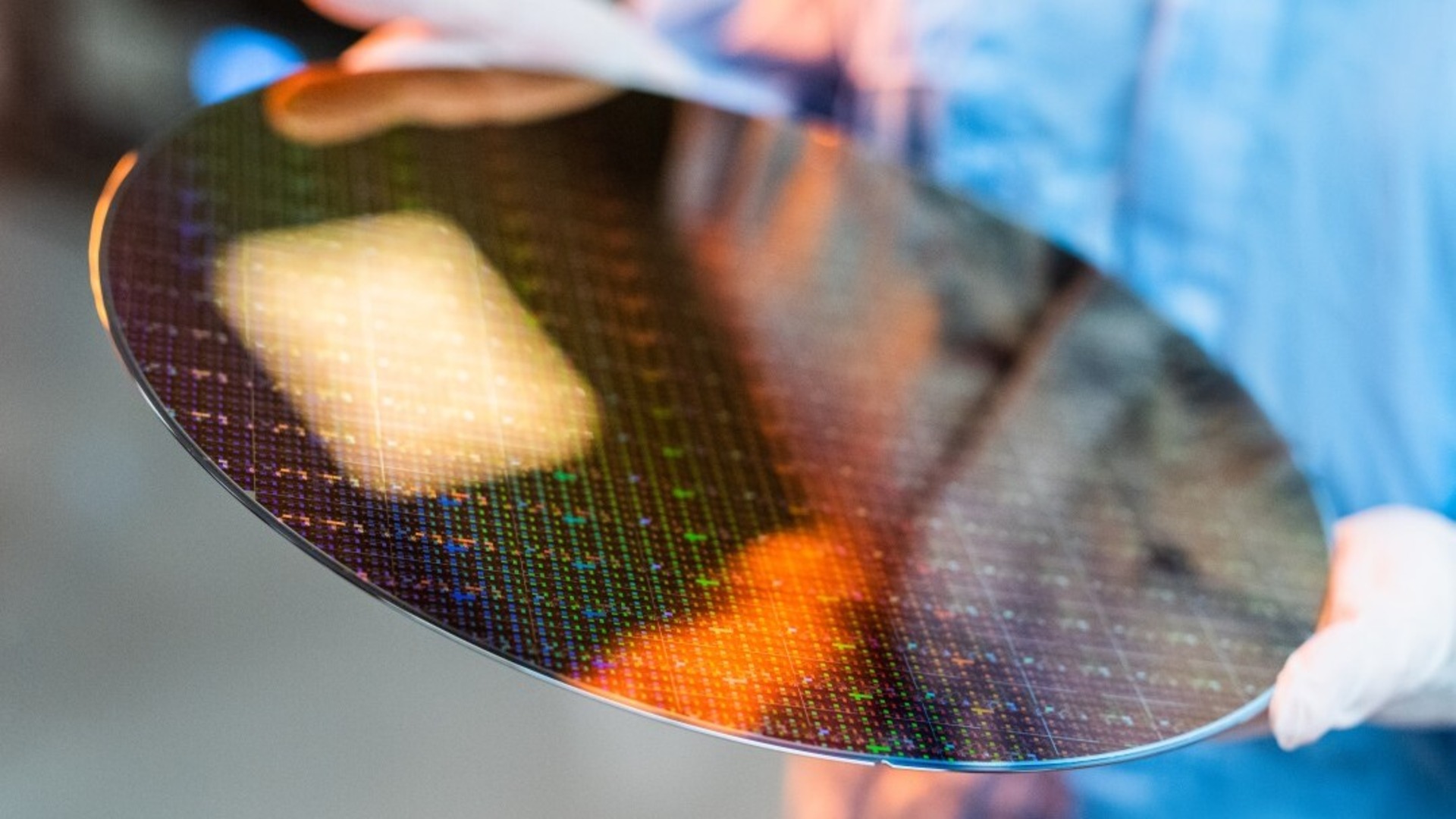
Electron optics
Read more
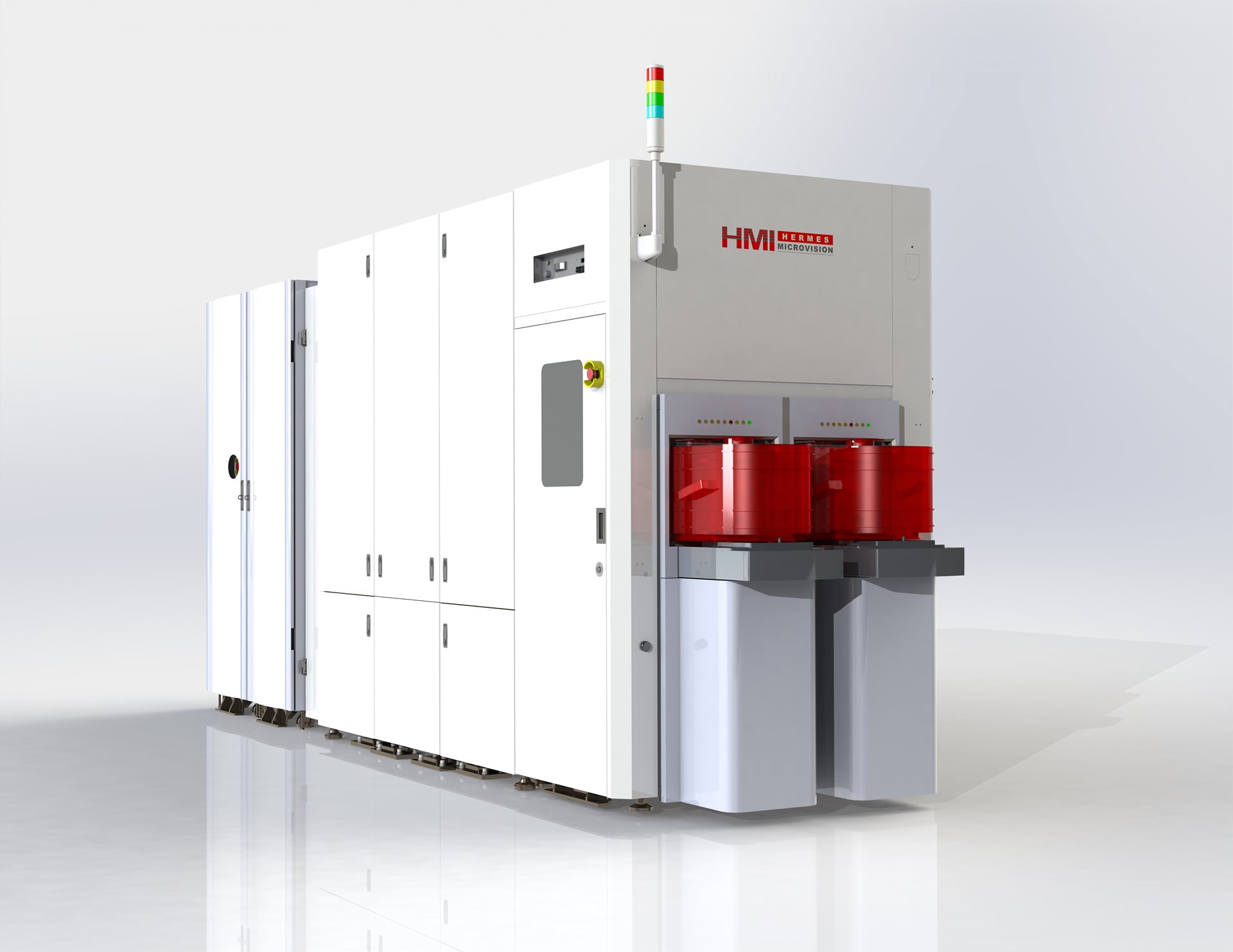
Design and build some of the most advanced electron-beam measurement tools in the semiconductor industry.

Software engineering
Read more
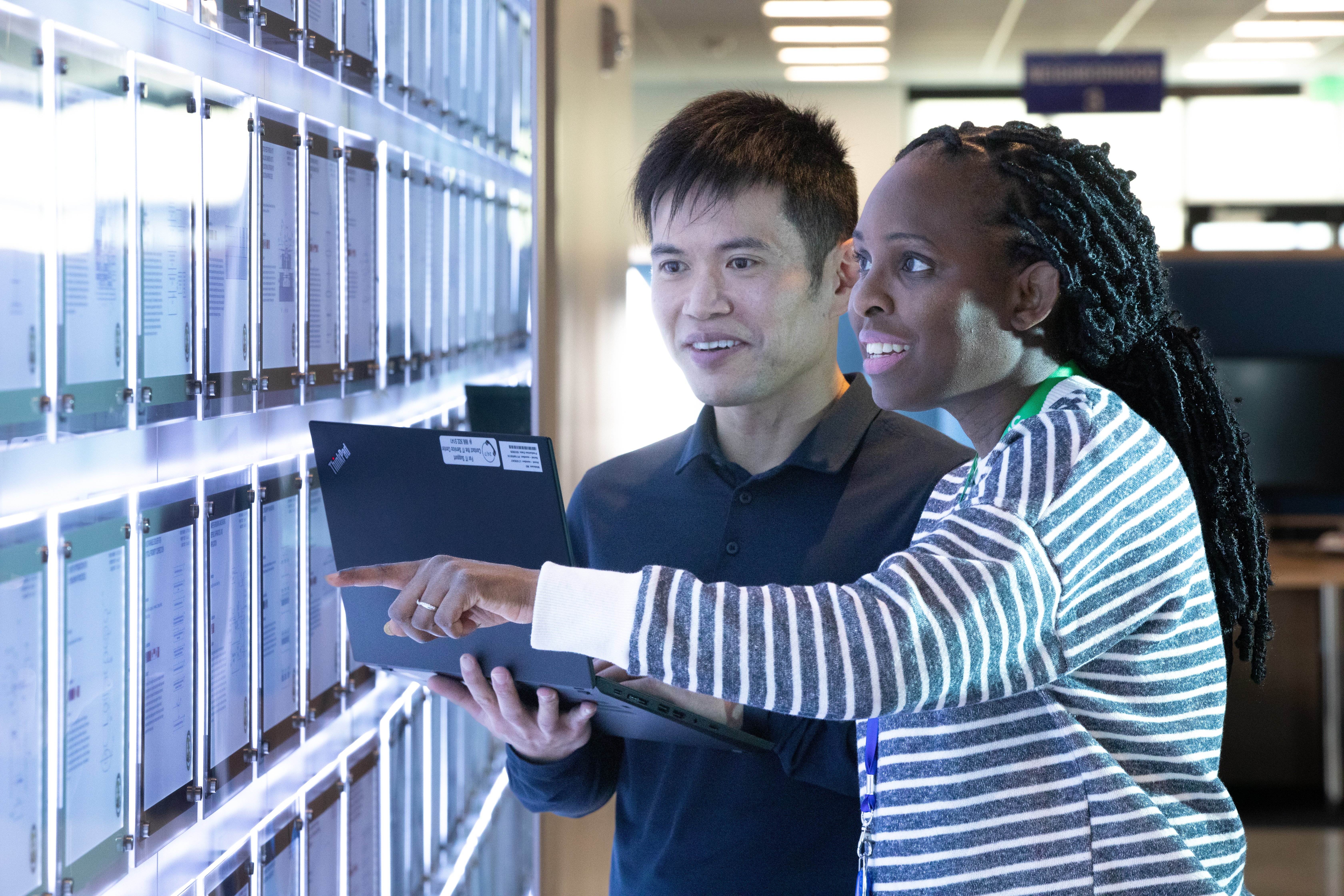
Find out what it’s like working as a computer scientist or software developer at ASML working in C++, C#, Python or Java.
Physics & Computer Science
Read more
Computer science and physics is at the heart of everything we do at ASML.
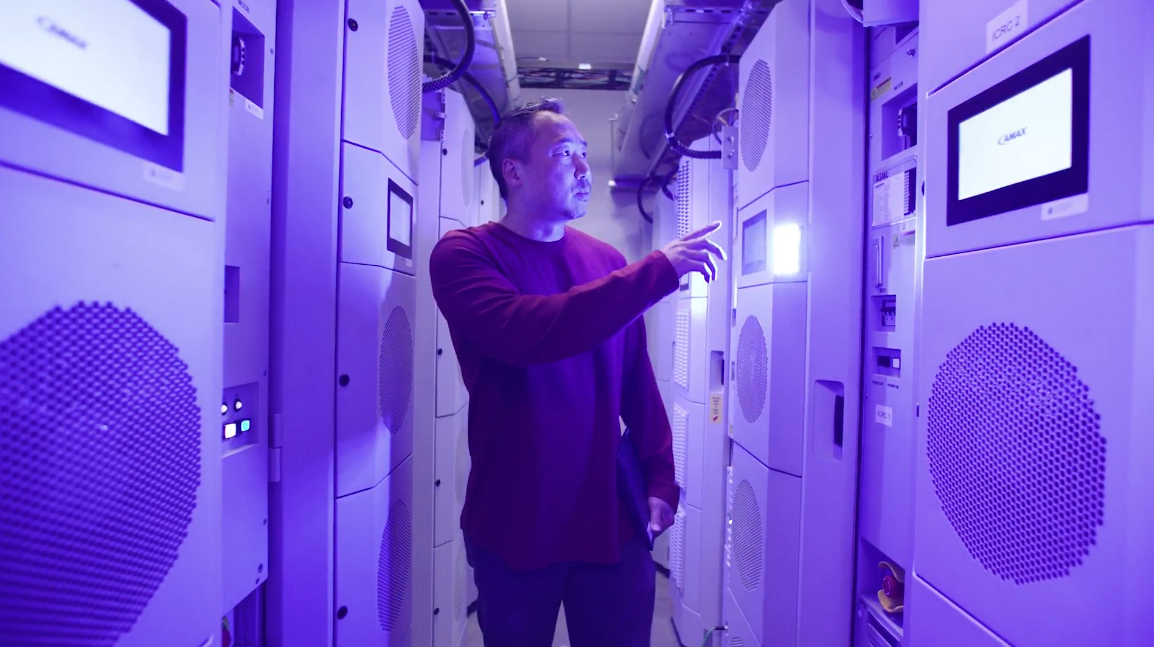
Our technology in Silicon Valley
At ASML Silicon Valley, we develop sophisticated software and metrology solutions, addressing escalating complexities encountered at smaller nodes. Local customer support and technology development also ensure superior system performance and service.
Read more
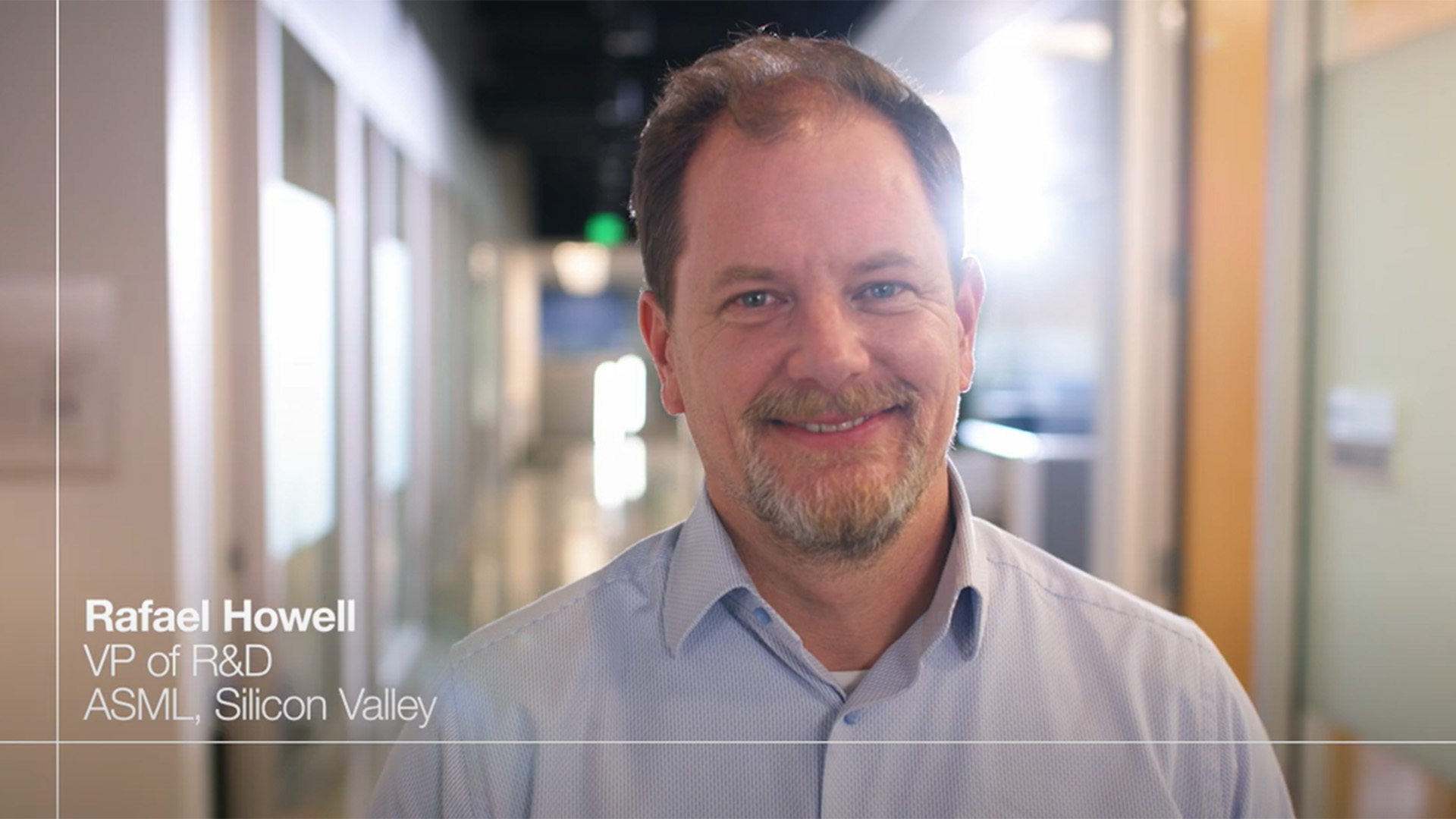

Working and living in Silicon Valley
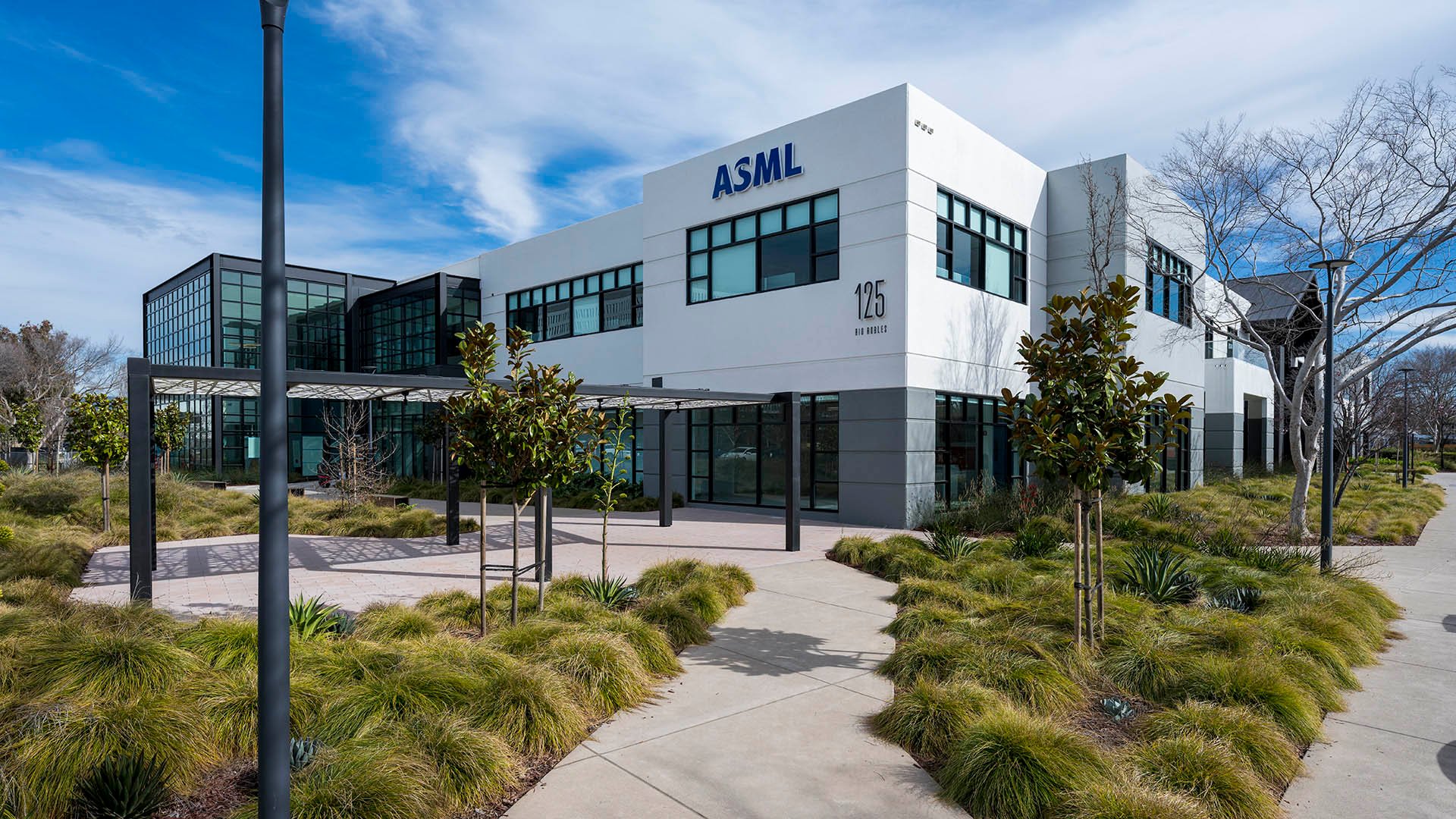
ASML Silicon Valley is located in San Jose, California – a dynamic area where technology and culture converge in a fast-paced, innovative environment. The third most populous city in California, San Jose ranks as one of the wealthiest cities in the United States.
Read more

Software heroines
Leading the way for women in ICT at ASML
Read about Mingjing Zhao, a senior software quality assurance manager at ASML in Silicon Valley, and other women as they pursue their dreams in computer science and software engineering at ASML.

ASML's Glassdoor rating


Jinping Song, Head of HMI and Brion DevOps Team
"We are often the pioneer and pilot team for new ideas. That is what makes the Silicon Valley sectors very unique.”
Abhishek Vikram, Director of Product Management
"The Silicon Valley site works together with colleagues around the world to deliver a holistic solution to customers by providing our unique competency."

Sheila Kang, Senior Software Engineer
"At the Silicon Valley site, we make software that is used for the research and development stage in the manufacturing process. Before our customers mass produce their chips, they need our software to help improve and optimize their process.”
Mohamed Ali, Software Platform Engineering Manager
"We are at the forefront of the technology, so every day we are dealing with a problem that will not actually have impact for today, but it will have impact in for the near future.”
Browse jobs in Silicon Valley
Discover what ASML has to offer in San Jose.
Want to be alerted for new jobs?
Create job alertVisit ASML in Silicon Valley
80 West Tasman
San Jose, California 95134
United States
+1 408 597 8600