4-minute read - by Kate Brunton, August 17, 2022
Not everyone at ASML thinks the same way, and we’re proud of it. A large number of employees at ASML are ‘neurodivergent’ – meaning they have neurological variations such as autism, ADHD and dyslexia. Atypical, ASML’s neurodiversity employee network, is helping to raise awareness about how normal brain differences really are.
“To give you an idea of what it feels like to be ‘on the spectrum’: Basically, it feels like being the only sober person in a room full of drunks. Or the other way around,” says Australian comedian Hannah Gadsby in this video describing her high-functioning autism. ‘Basically, everyone is operating on a wavelength you can’t quite key into.”
Arnout Nederpelt, a business analyst at ASML in the Netherlands, is also on the autism spectrum and has frequently felt the same way. “After I graduated from the Eindhoven University of Technology, I applied for jobs for three years and had trouble getting past the interview,” he says. “I eventually sought help from the municipality, and that’s when I did an investigation and discovered that I’m both highly gifted and on the autism spectrum.” Arnout landed a job at ASML, and 12 years later, he’s still enjoying his career (which has spanned Sourcing & Supply Chain, Quality and now R&D).
Several years ago, Arnout was one of the first employees to join what was then known as the ASML ‘autism embassy’ to create awareness about autism among employees. The group has since grown and evolved into Atypical, ASML’s neurodiversity employee network. Arnout serves on its board along with three other neurodiverse employees.
Neuro-exceptional
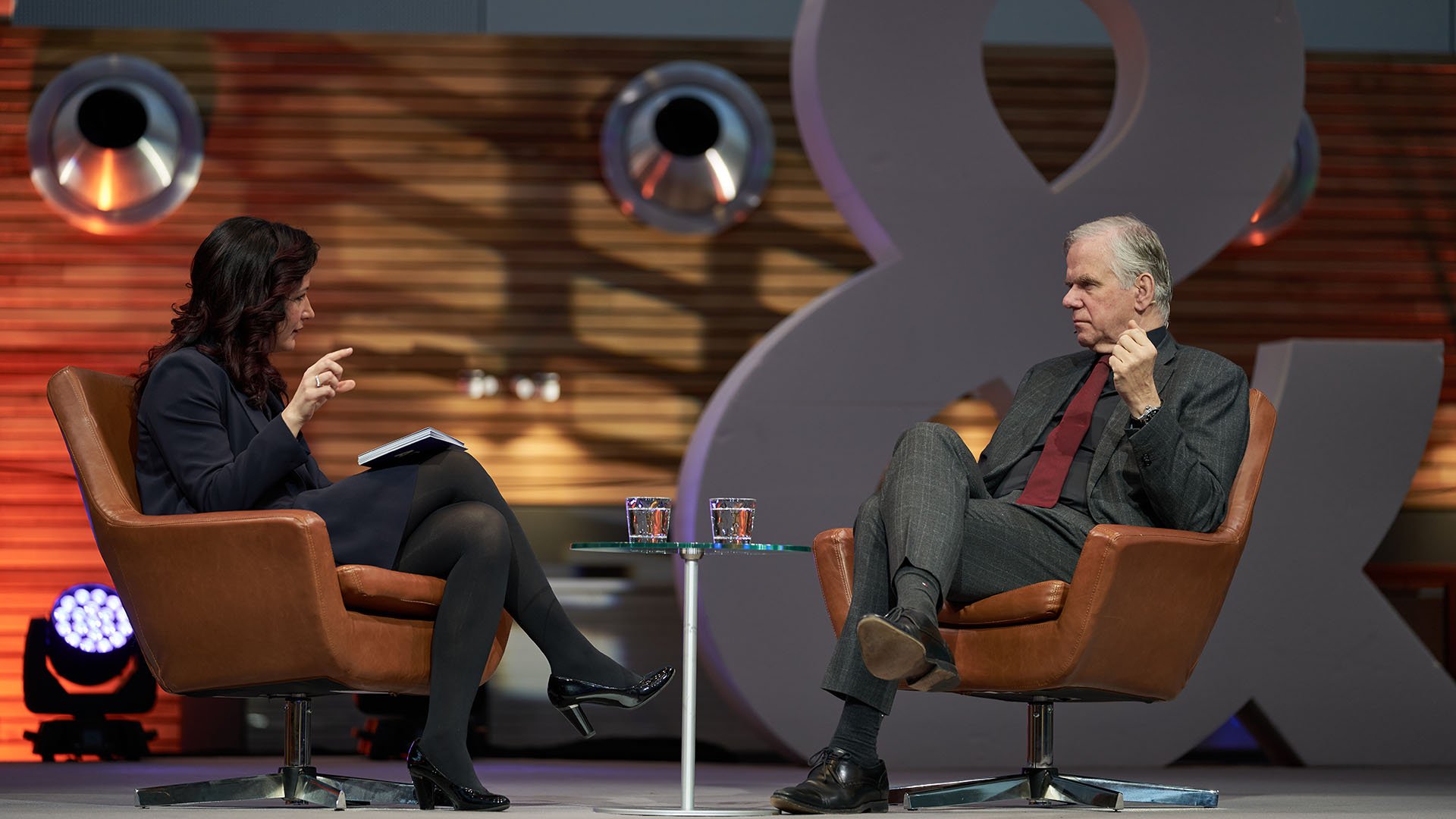
Around 10%–20% of the global population is considered neurodivergent, according to Deloitte, but Arnout estimates that at ASML, the percentage of employees who have at least one type of neurodiversity (including autism, dyslexia, ADHD and giftedness) is much higher. Our CTO, Martin van den Brink, has dyslexia and has become a staunch supporter of the Atypical network. “I’m so dyslexic that I can’t even write a sentence,” he said in an interview with the Dutch newspaper de Volkskrant (link in Dutch). He made it through school “by the skin of his teeth” thanks to his talent for science and technology.
People who are neurodiverse are highly valued at ASML, since they tend to be better than average at analytical thinking, logic, creativity and out-of-the-box thinking. “If you look at some of the strengths of neurodiversity, such as innovation and creativity – it’s what we need in ASML,” says Peter Baillière, ASML executive vice president of HR, who also has a son who is neurodivergent. “ASML wouldn’t be where it is today without neurodivergent people, some of whom are in top leadership roles in the company.”
“If you look at some of the strengths of neurodiversity, such as innovation and creativity – it’s what we need in ASML.”
Creating awareness
The Atypical network spreads the word about neurodiversity, and its members have become champions for inclusivity at ASML. “Atypical brings together the many people at ASML who are neurodiverse and helps them to feel understood and to connect with others,” Arnout says. The affinity group hosts events such as café sessions, panel discussions and talks featuring internal and external speakers, and offers trainings and advice for managers.
According to Arnout, part of Atypical’s awareness goal is not only to help ‘neurotypical’ employees understand and appreciate their neurodiverse colleagues, but also to foster self-awareness among employees who may not know they’re neurodivergent or who don’t know or can’t articulate what they need in order to live up to their full potential.
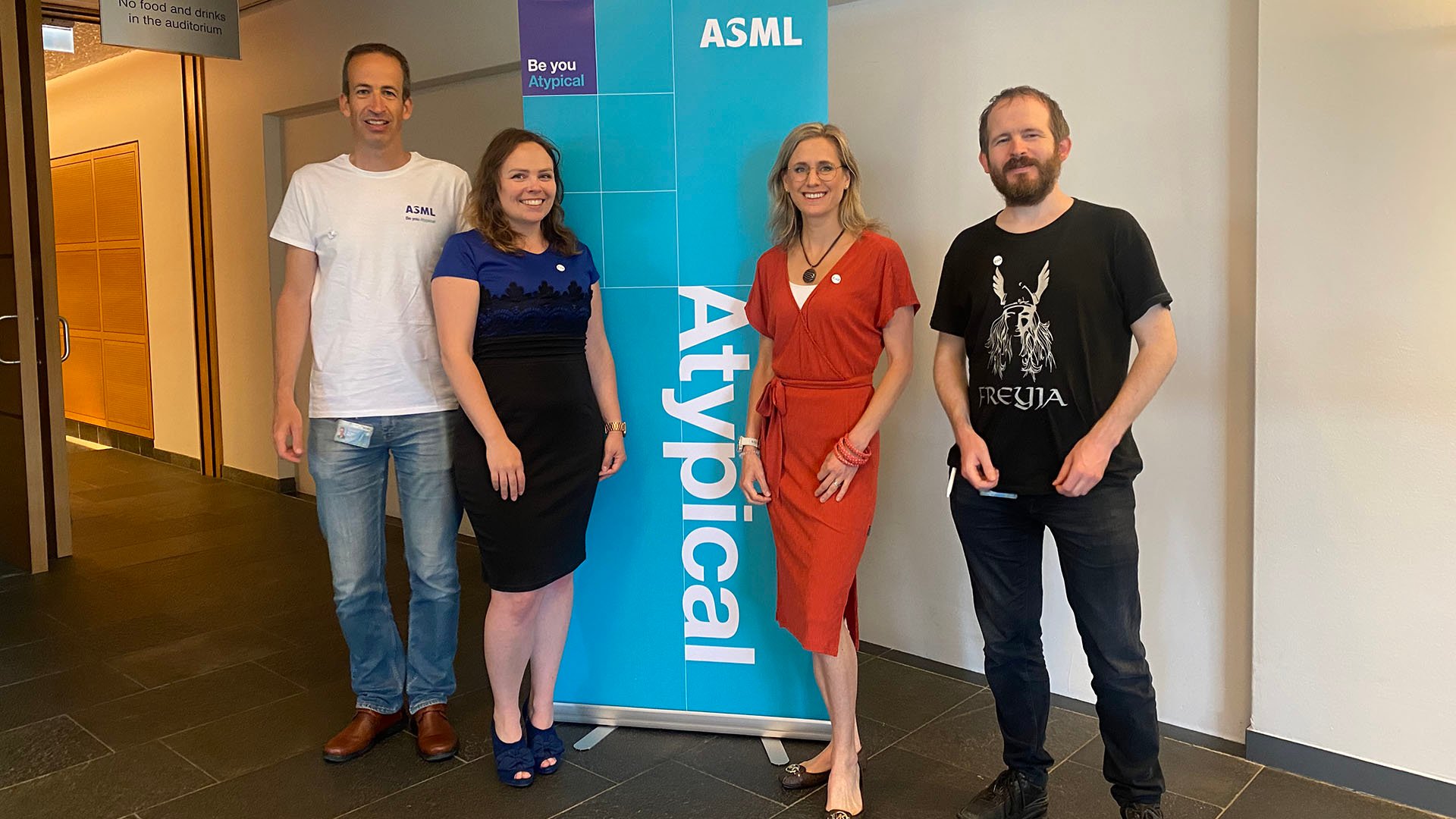
Carin Pieper, another Atypical board member, wasn’t diagnosed with ADHD until her late 20s, after she tried unsuccessfully to maintain a healthy work-life balance. “My life improved so much after understanding what was going on,” she says. “A lot of neurodiverse people, especially women, tend to be diagnosed later in life. I want to help other people at ASML to learn about themselves: to understand where their daily battles are coming from, to learn how to navigate life with neurodiversity and recognize that there’s beauty and tremendous value in being different.”
“In society, there’s still a stigma attached to neurodiversity,” Arnout says. “So I think sometimes people don't want to know if they aren’t ‘typical’, because they’re afraid of being labeled and being discriminated against. But we want to celebrate it and help people to realize that it’s just as ‘normal’ as being left-handed. 150 years ago, left-handed people got punished in schools in the Netherlands for using their left hand, but that seems ridiculous now.”
“In society, there’s still a stigma attached to neurodiversity…but we want to celebrate it and help people to realize that it’s just as ‘normal’ as being left-handed."
Fostering flexibility and inclusion
Putting inclusion for neurodiversity into practice is important. ASML’s goal is to make sure that our workplaces and policies accommodate different employee needs and preferences. “We realized a long time ago that we cannot manage the company with guidelines,” says Marcel Los, head of HR Europe. “Our goal is to create a work culture that leaves room for necessary personal adaptations.”
Peter Baillière also stresses the importance of a working environment where employees feel safe and valued for their unique contributions: “We encourage people to speak up, while at the same time teaching our managers how to listen.”
Arnout agrees. “I think it mainly comes down to listening,” he says. “Because we know quite well what works for us, what small adjustments we need.”
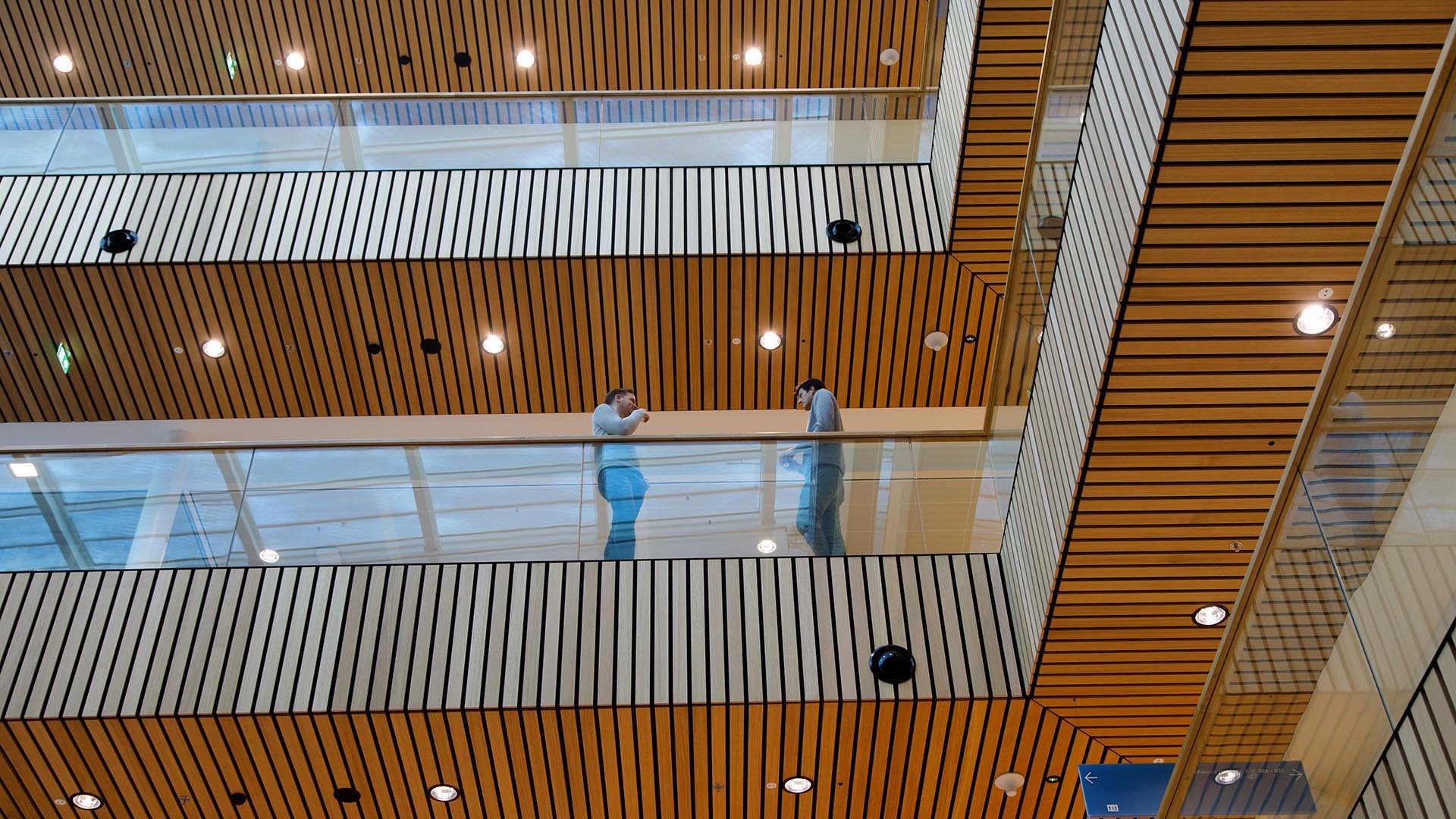
ASML made sure to involve the Atypical network in the planning and design of new office buildings at our headquarters in Veldhoven, the Netherlands – resulting in improvements such as the creation of ‘recharge rooms’ for neurodivergent people who struggle with feeling overwhelmed in office settings.
Find your people
You’ll never be the ‘odd one out’ at ASML. We encourage everyone to be themselves at work and we celebrate our unique skills. “Success is driven by our unique and diverse teams,” says Christine Brown, a member of ASML’s Global Diversity & Inclusion Council. “We strive for an environment where everyone feels valued, respected and can fully contribute.”
Learn more about our employee networks and clubs.
If you’re considering a career at ASML, be sure to let us know if you have any specific requests for accommodations during the application or interview process.
Tech moves fast. Move with us.
Stay up to date on our technology, people and progress.